

Viac o knihe
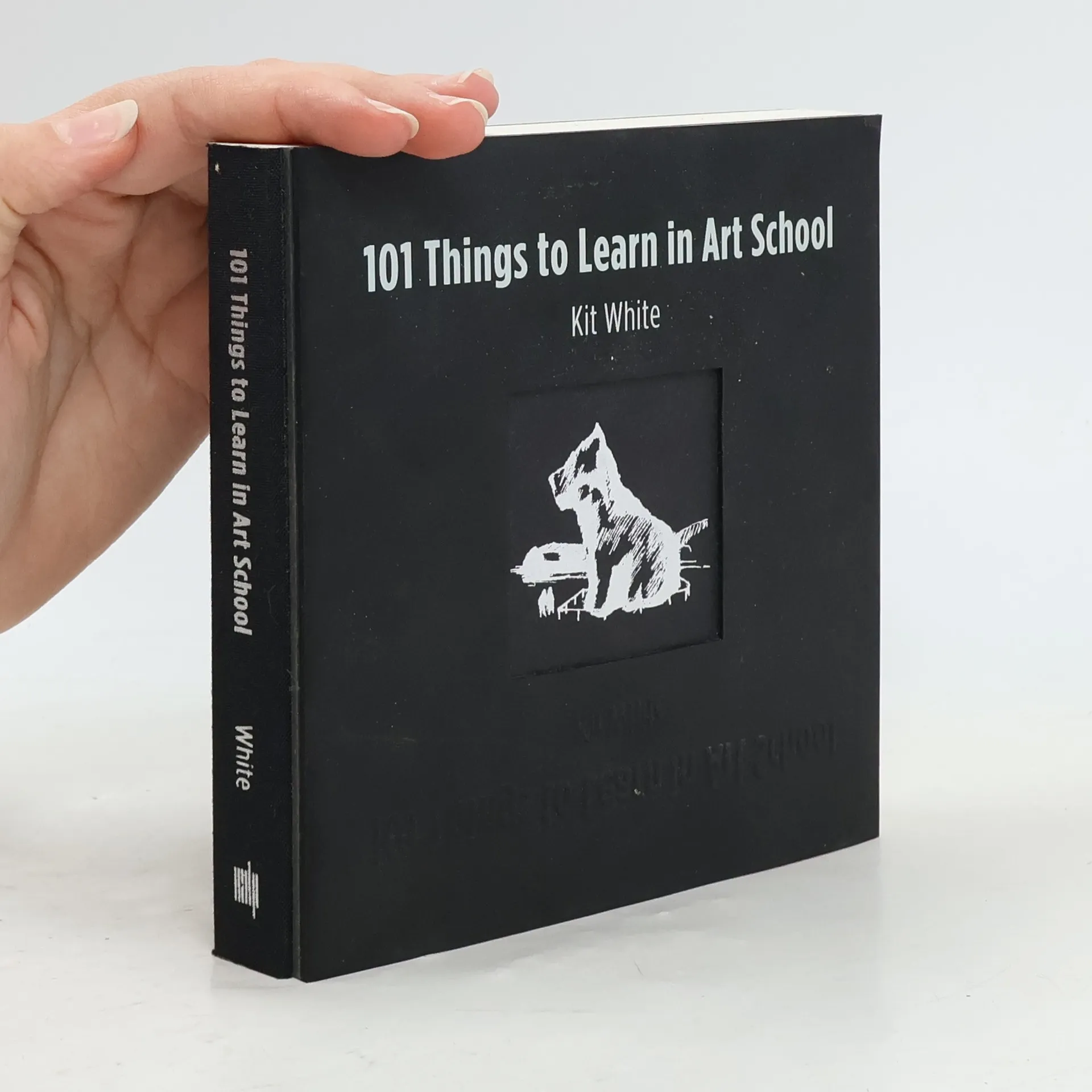
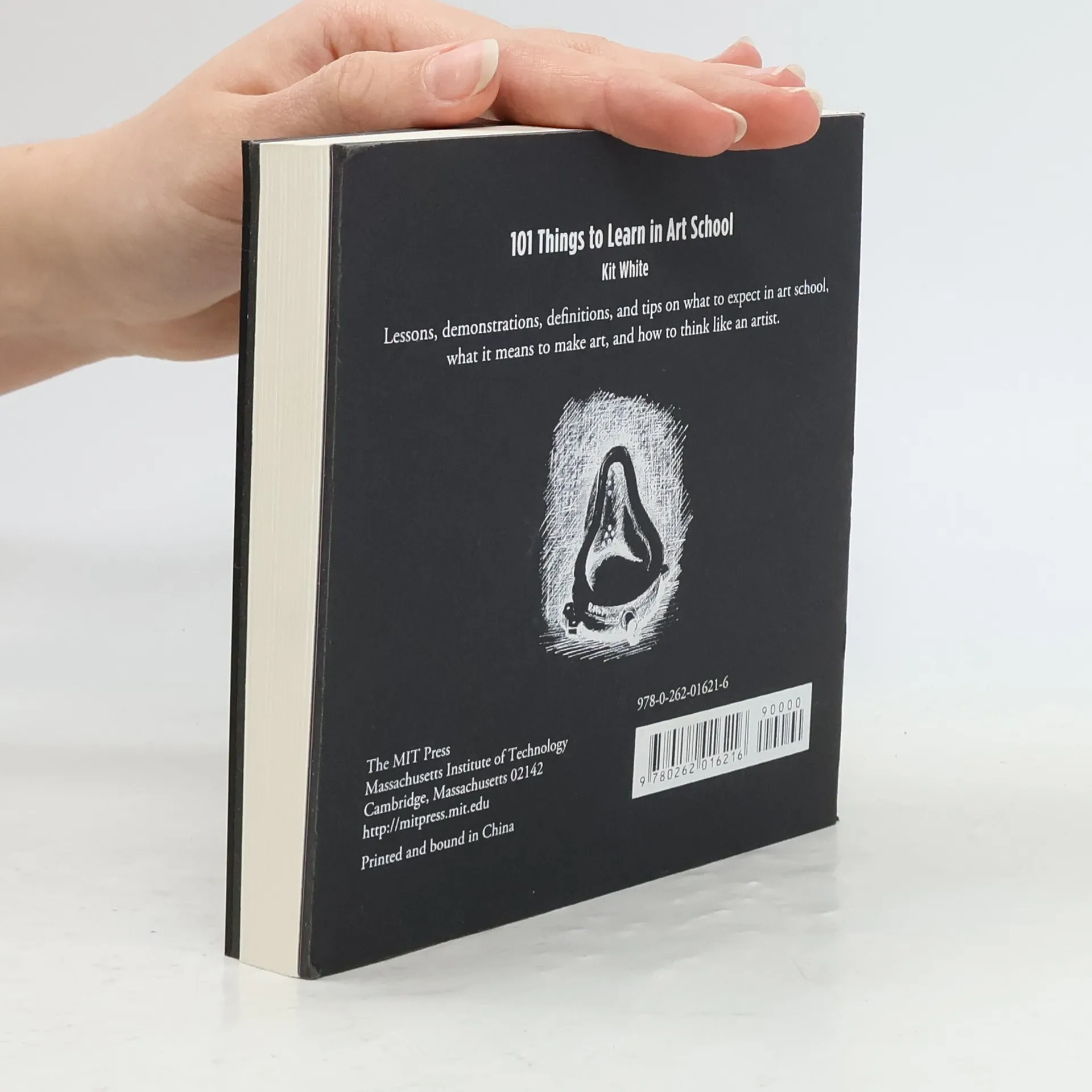
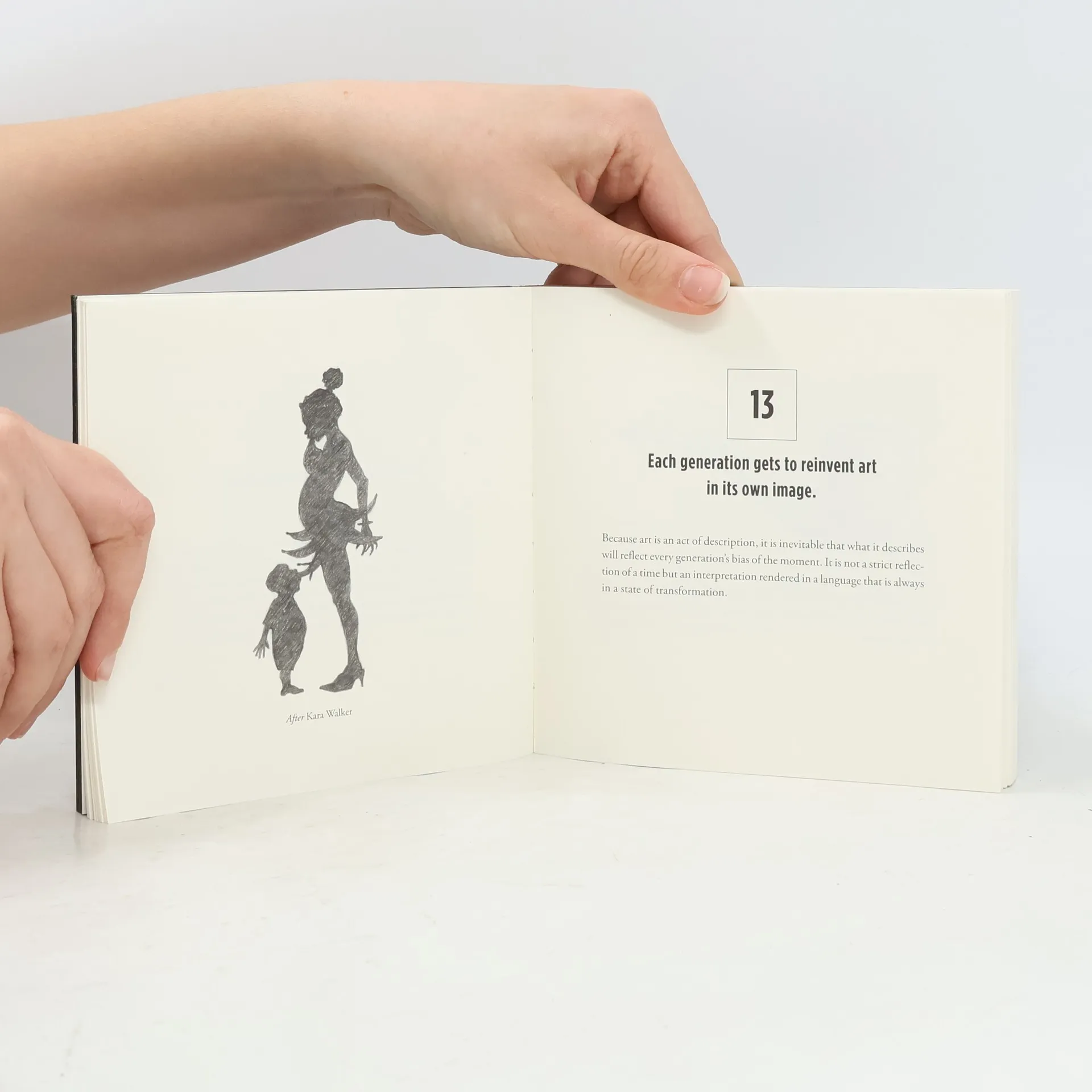
What is the first lesson in art school? "Art can be anything." The second? "Learn to draw." In "101 Things to Learn in Art School," artist and teacher Kit White presents these lessons, balancing technical advice with insightful concepts. This collection of 101 maxims, meditations, and demonstrations serves as both a toolkit for art students and guiding principles for artists. Each of the succinct texts is paired with an expressive drawing, often inspired by historical or contemporary art, providing a visual counterpart to the written ideas. For instance, "Art can be anything" is illustrated by Duchamp's iconic urinal, while a description of chiaroscuro is complemented by an image "after Caravaggio." Lessons on time and media feature a Jenny Holzer projection, and advice on surviving critiques resonates with Piero della Francesca's arrow-pierced Saint Sebastian. This book addresses the challenges artists face across various media, transcending a simple handbook for making art. It offers a deeper understanding of art as a reflection of our world and as a medium for thought. Thus, it is essential reading for art students, teachers, and artists, as well as anyone who values art as a means of understanding life.


Nákup knihy
101 Things to Learn in Art School, Kit White
- Jazyk

- Rok vydania
- 2011
- Väzba
- (pevná)
Doručenie
Platobné metódy
Tu nám chýba tvoja recenzia
- Titul
- 101 Things to Learn in Art School
- Jazyk
- anglicky
- Autori
- Kit White
- Vydavateľ
- MIT Press
- Rok vydania
- 2011
- Väzba
- pevná
- Počet strán
- 150
- ISBN10
- 0262016214
- ISBN13
- 9780262016216
- Série
- Kategórie
- Hodnotenie
- 3,8 z 5
- Anotácia
- What is the first lesson in art school? "Art can be anything." The second? "Learn to draw." In "101 Things to Learn in Art School," artist and teacher Kit White presents these lessons, balancing technical advice with insightful concepts. This collection of 101 maxims, meditations, and demonstrations serves as both a toolkit for art students and guiding principles for artists. Each of the succinct texts is paired with an expressive drawing, often inspired by historical or contemporary art, providing a visual counterpart to the written ideas. For instance, "Art can be anything" is illustrated by Duchamp's iconic urinal, while a description of chiaroscuro is complemented by an image "after Caravaggio." Lessons on time and media feature a Jenny Holzer projection, and advice on surviving critiques resonates with Piero della Francesca's arrow-pierced Saint Sebastian. This book addresses the challenges artists face across various media, transcending a simple handbook for making art. It offers a deeper understanding of art as a reflection of our world and as a medium for thought. Thus, it is essential reading for art students, teachers, and artists, as well as anyone who values art as a means of understanding life.