








Z téhle knihy by mohl být jen blogový článek a dozvěděla bych se stejné množství informací.
Miláčik čitateľov je práve vypredaný
Viac o knihe
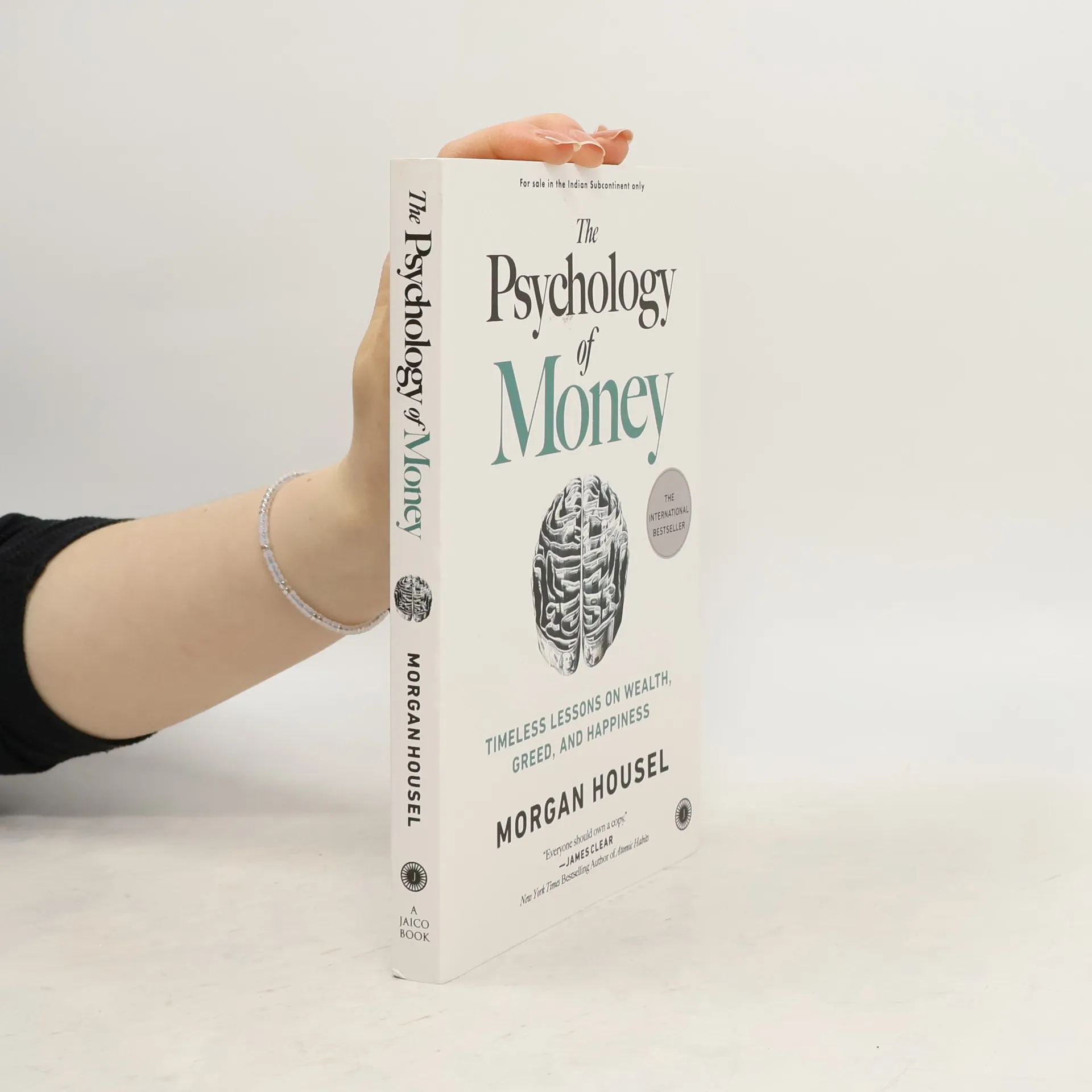
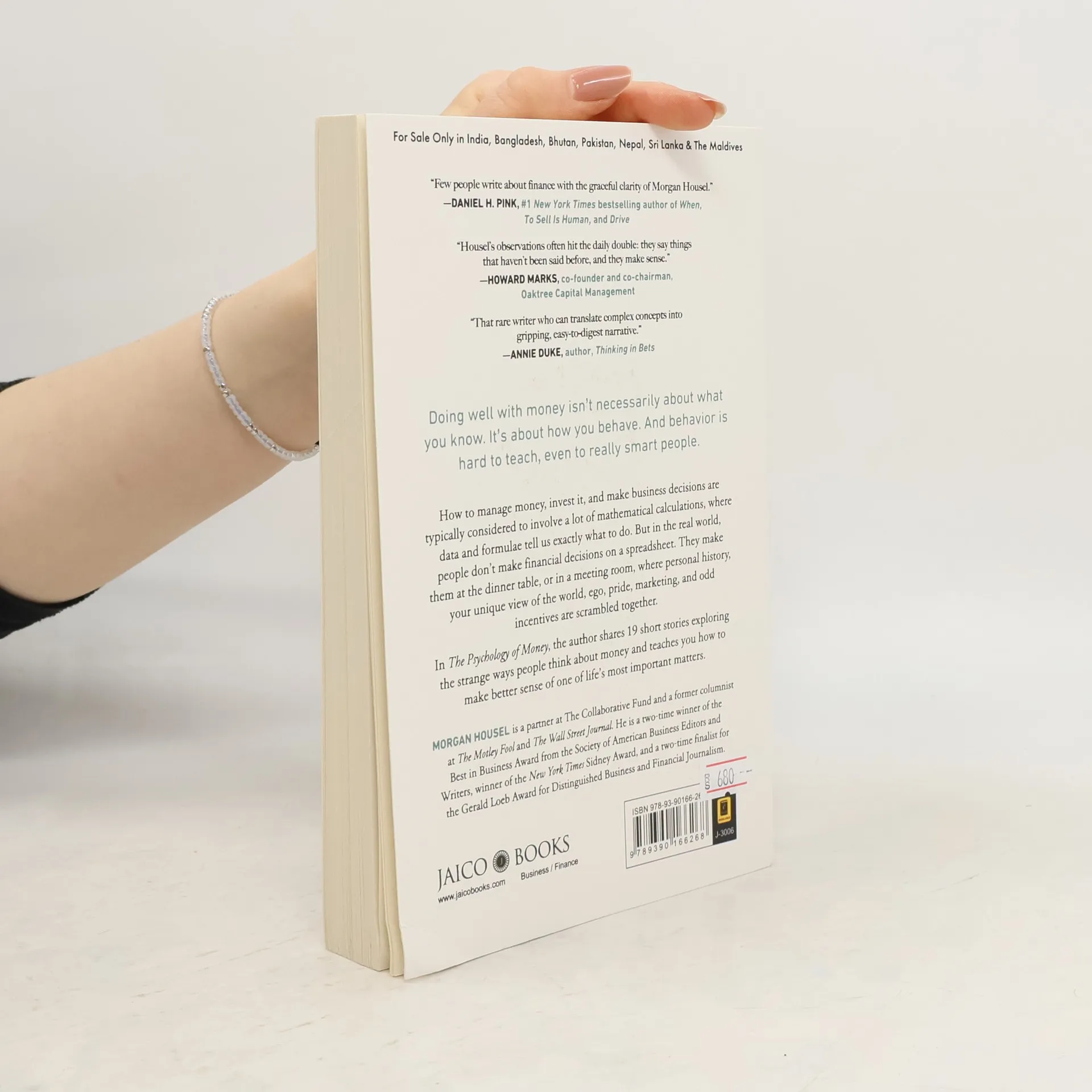
Timeless lessons on wealth, greed, and happiness doing well with money isn’t necessarily about what you know. It’s about how you behave. And behavior is hard to teach, even to really smart people. How to manage money, invest it, and make business decisions are typically considered to involve a lot of mathematical calculations, where data and formulae tell us exactly what to do. But in the real world, people don’t make financial decisions on a spreadsheet. They make them at the dinner table, or in a meeting room, where personal history, your unique view of the world, ego, pride, marketing, and odd incentives are scrambled together. In the psychology of money, the author shares 19 short stories exploring the strange ways people think about money and teaches you how to make better sense of one of life’s most important matters.
Nákup knihy
The Psychology of Money, Morgan Housel, James Clear
- Jazyk

- Rok vydania
- 2020
- Väzba
- (mäkká)
Platobné metódy

super čtení na dovču.. pro to, aby si každý z nás uvědomil, jak peníze mohou pracovat za nás.. a bohatství je fakt nastavení v hlavě. Motivační ve smyslu, že i s "drobáky" se dají vyšašit časem (složeným úročením) hezké obnosy
- Podtitul
- Timeless Lessons on Wealth, Greed, and Happiness
- Jazyk
- anglicky
- Autori
- Morgan Housel, James Clear
- Vydavateľ
- Jaico Publishing House
- Rok vydania
- 2020
- Väzba
- mäkká
- Počet strán
- 242
- ISBN10
- 9390166268
- ISBN13
- 9789390166268
- Série
- Štítky
- Náučná literatúra, Byznys, Biznis & Manažment, Sebarozvoj, Psychologická tematika, Osobný rast, Financie, Šťastie, Peniaze, Investície & Špekulácie, Investovanie, Bohatstvo, Akcie, Sebestačnosť
- Prvé vydanie
- 2020
- Pôvodný názov
- The Psychology of Money
- Hodnotenie
- 4,3 z 5
- Anotácia
- Timeless lessons on wealth, greed, and happiness doing well with money isn’t necessarily about what you know. It’s about how you behave. And behavior is hard to teach, even to really smart people. How to manage money, invest it, and make business decisions are typically considered to involve a lot of mathematical calculations, where data and formulae tell us exactly what to do. But in the real world, people don’t make financial decisions on a spreadsheet. They make them at the dinner table, or in a meeting room, where personal history, your unique view of the world, ego, pride, marketing, and odd incentives are scrambled together. In the psychology of money, the author shares 19 short stories exploring the strange ways people think about money and teaches you how to make better sense of one of life’s most important matters.