

Viac o knihe
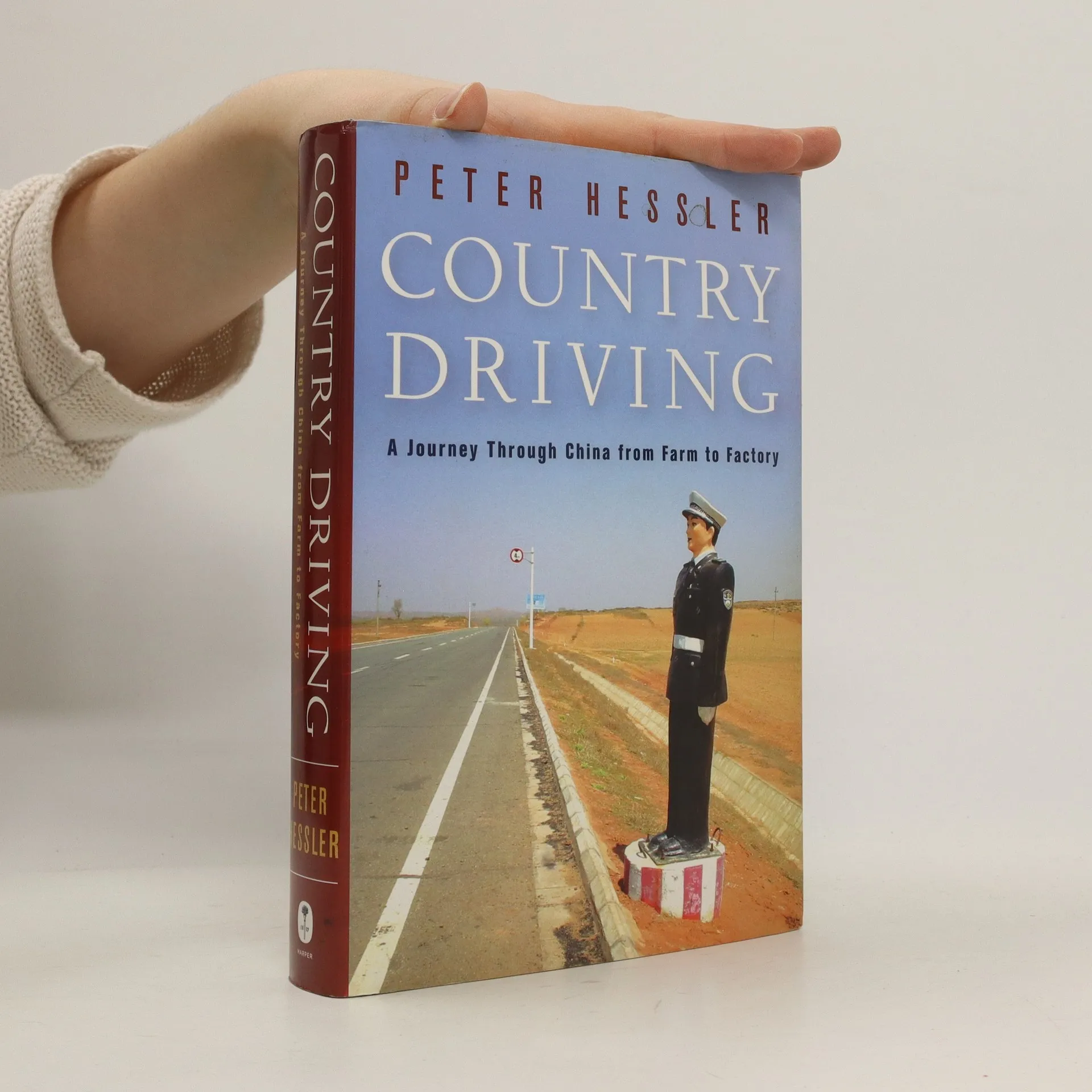
From the bestselling author of Oracle Bones and River Town comes the final installment in his acclaimed trilogy, exploring the human impact of China's economic revolution. In the summer of 2001, Peter Hessler, a longtime Beijing correspondent for The New Yorker, obtained his Chinese driver's license and embarked on a seven-year journey across the country, documenting how the rise of automobiles and improved infrastructure transformed the nation. He poignantly captures the experiences of ordinary people—farmers, migrant workers, and entrepreneurs—who have played pivotal roles during this critical period in modern history. Hessler begins with a 7,000-mile journey along northern China, tracing the Great Wall from the East China Sea to the Tibetan plateau, while examining a historically significant rural area that is being abandoned as youth migrate to urban jobs. He then spends six years in Sancha, a small village north of Beijing, witnessing its dramatic changes after road paving and the influx of tourism from the capital's auto boom. Finally, he explores urban development in Lishui, a small city in southeastern China, where a new expressway aims to transform the region from farming to industry. Hessler, described by The Wall Street Journal as "one of the Western world's most thoughtful writers on modern China," skillfully reveals the evolving landscape of a nation that is shifting from isolation to engagement with the world.





Platobné metódy
Tu nám chýba tvoja recenzia
- Titul
- Country Driving
- Jazyk
- anglicky
- Autori
- Peter Hessler
- Vydavateľ
- Harper
- Rok vydania
- 2010
- Väzba
- pevná
- Počet strán
- 438
- ISBN10
- 0061804096
- ISBN13
- 9780061804090
- Série
- Čínska trilógia
- Štítky
- Náučná literatúra, Historické téma, História, Mapy & Cestovanie, Skutočné príbehy, Životopisy, Cestovanie, Autobiografie & Pamäti, Turistické sprievodce, Kultúra a spoločnosť, Ázia, Čína
- Pôvodný názov
- Country driving
- Hodnotenie
- 4,25 z 5
- Anotácia
- From the bestselling author of Oracle Bones and River Town comes the final installment in his acclaimed trilogy, exploring the human impact of China's economic revolution. In the summer of 2001, Peter Hessler, a longtime Beijing correspondent for The New Yorker, obtained his Chinese driver's license and embarked on a seven-year journey across the country, documenting how the rise of automobiles and improved infrastructure transformed the nation. He poignantly captures the experiences of ordinary people—farmers, migrant workers, and entrepreneurs—who have played pivotal roles during this critical period in modern history. Hessler begins with a 7,000-mile journey along northern China, tracing the Great Wall from the East China Sea to the Tibetan plateau, while examining a historically significant rural area that is being abandoned as youth migrate to urban jobs. He then spends six years in Sancha, a small village north of Beijing, witnessing its dramatic changes after road paving and the influx of tourism from the capital's auto boom. Finally, he explores urban development in Lishui, a small city in southeastern China, where a new expressway aims to transform the region from farming to industry. Hessler, described by The Wall Street Journal as "one of the Western world's most thoughtful writers on modern China," skillfully reveals the evolving landscape of a nation that is shifting from isolation to engagement with the world.