



Viac o knihe
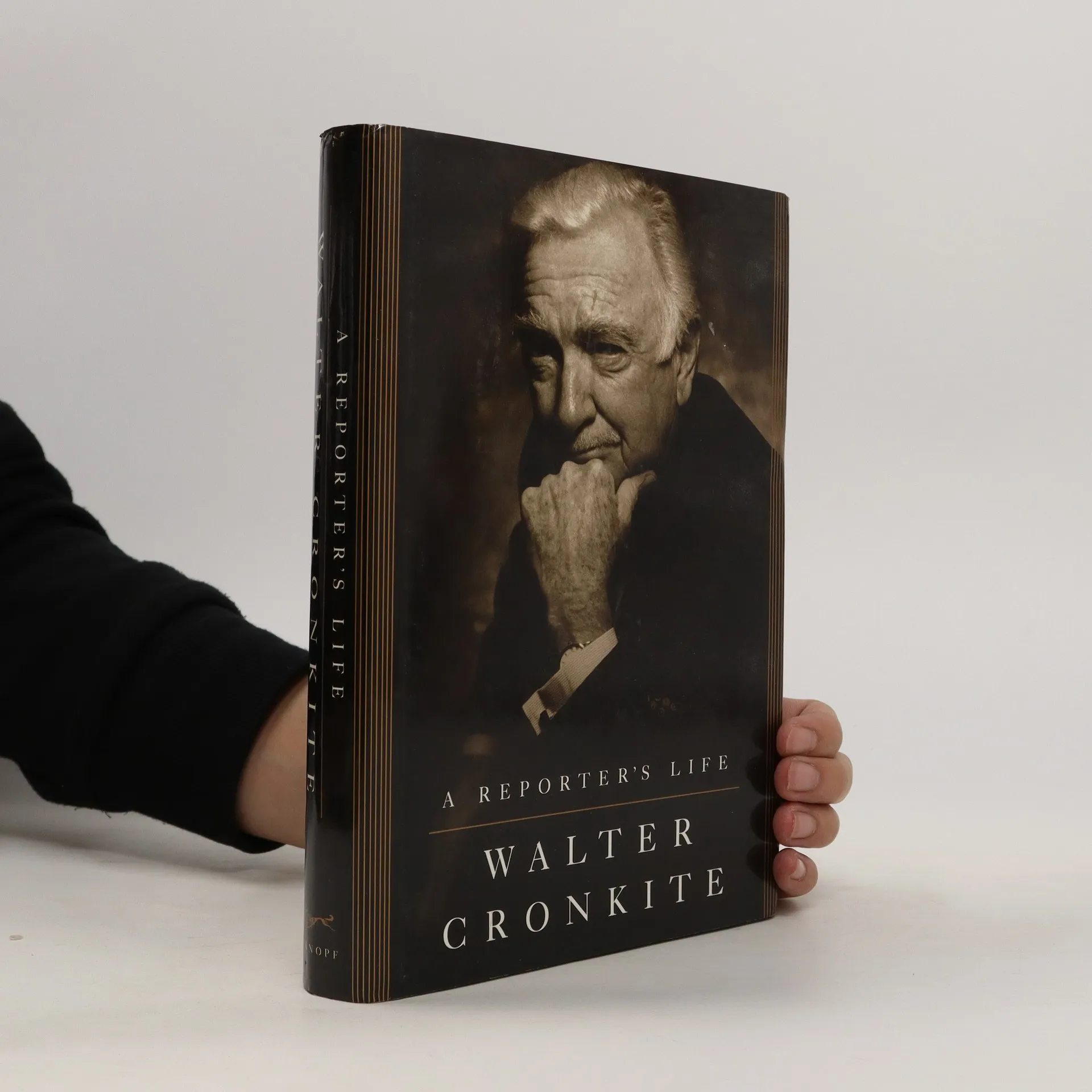
He has been called the most trusted man in America, with a 60-year journalistic career that has spanned the Great Depression, wars, and significant changes in the nation. When Walter Cronkite stated in 1968 that the Vietnam War could not be won, President Lyndon B. Johnson remarked, "If I've lost Cronkite, I've lost middle America." Now, at eighty, Cronkite shares his life story, detailing the journey of the original "anchorman." As a witness to pivotal events for the Houston Press, United Press, and CBS, he set a standard for integrity, objectivity, and compassion that is hard to match. He is a vessel of history, connecting with the people and events that shaped the nation. Beyond journalism, Cronkite enjoyed driving race cars, finding it a thrilling escape that distinguished him from the average person. His empathy was profound, often moved to tears by injustices against the vulnerable. He struggled to maintain composure while reporting on President Kennedy's assassination. Cronkite played a significant role in television's rise, advocating for quality and ethics, yet now observes its decline and the rise of sensationalism. Despite this shift, the American people have long appreciated receiving news from a man of exceptional caliber, making his story a compelling read.

Nákup knihy
A Reporter's Life, Walter Cronkite
- Jazyk

- Rok vydania
- 1996
- Väzba
- (pevná)
Doručenie
Platobné metódy
Tu nám chýba tvoja recenzia
- Titul
- A Reporter's Life
- Jazyk
- anglicky
- Autori
- Walter Cronkite
- Vydavateľ
- A.A. Knopf
- Rok vydania
- 1996
- Väzba
- pevná
- Počet strán
- 384
- ISBN10
- 0394578791
- ISBN13
- 9780394578798
- Série
- Kategórie
- Štítky
- Historické téma, Žurnalistika
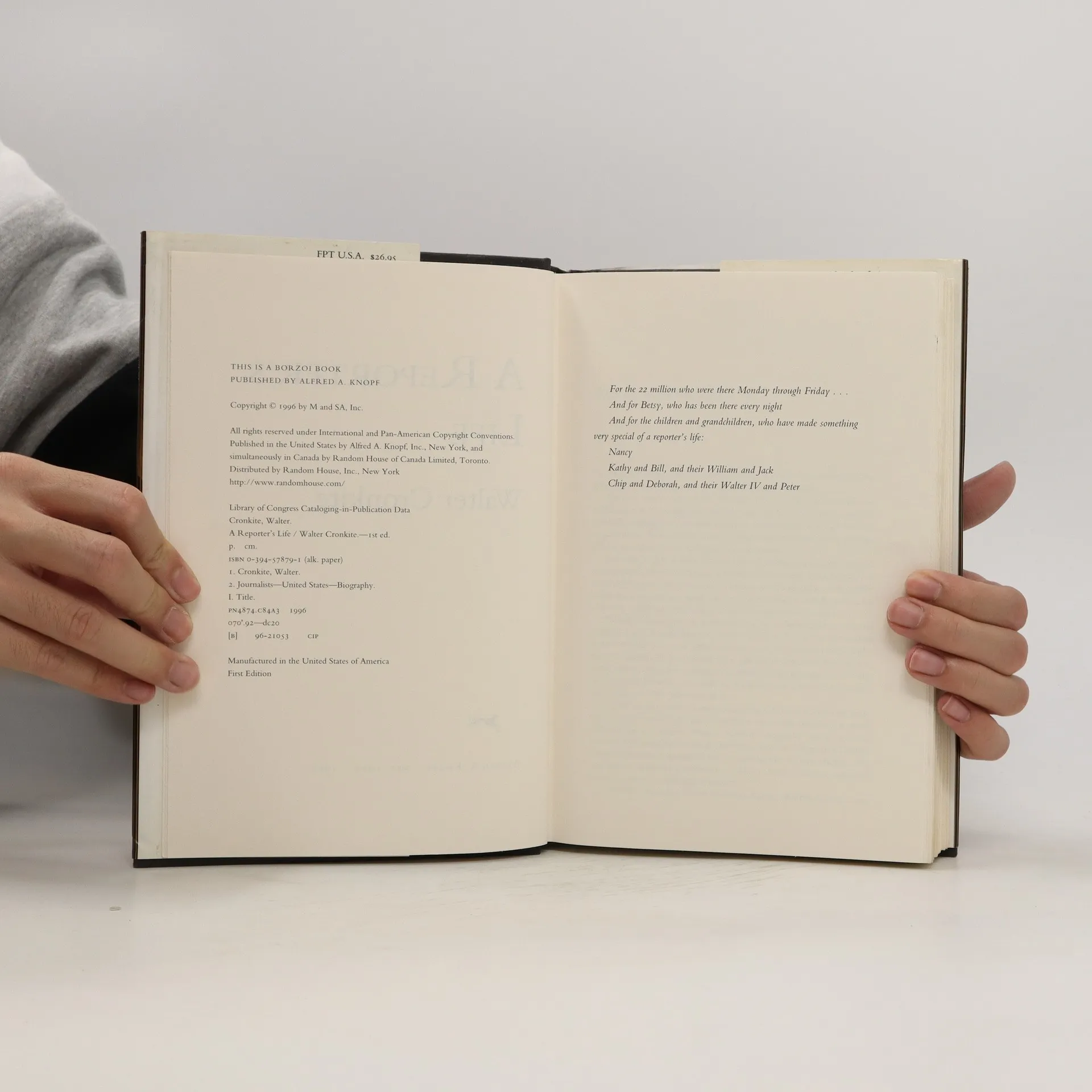
- Prvé vydanie
- 1996
- Pôvodný názov
- A Reporter’s Life
- Hodnotenie
- 3,75 z 5
- Anotácia
- He has been called the most trusted man in America, with a 60-year journalistic career that has spanned the Great Depression, wars, and significant changes in the nation. When Walter Cronkite stated in 1968 that the Vietnam War could not be won, President Lyndon B. Johnson remarked, "If I've lost Cronkite, I've lost middle America." Now, at eighty, Cronkite shares his life story, detailing the journey of the original "anchorman." As a witness to pivotal events for the Houston Press, United Press, and CBS, he set a standard for integrity, objectivity, and compassion that is hard to match. He is a vessel of history, connecting with the people and events that shaped the nation. Beyond journalism, Cronkite enjoyed driving race cars, finding it a thrilling escape that distinguished him from the average person. His empathy was profound, often moved to tears by injustices against the vulnerable. He struggled to maintain composure while reporting on President Kennedy's assassination. Cronkite played a significant role in television's rise, advocating for quality and ethics, yet now observes its decline and the rise of sensationalism. Despite this shift, the American people have long appreciated receiving news from a man of exceptional caliber, making his story a compelling read.