

Viac o knihe
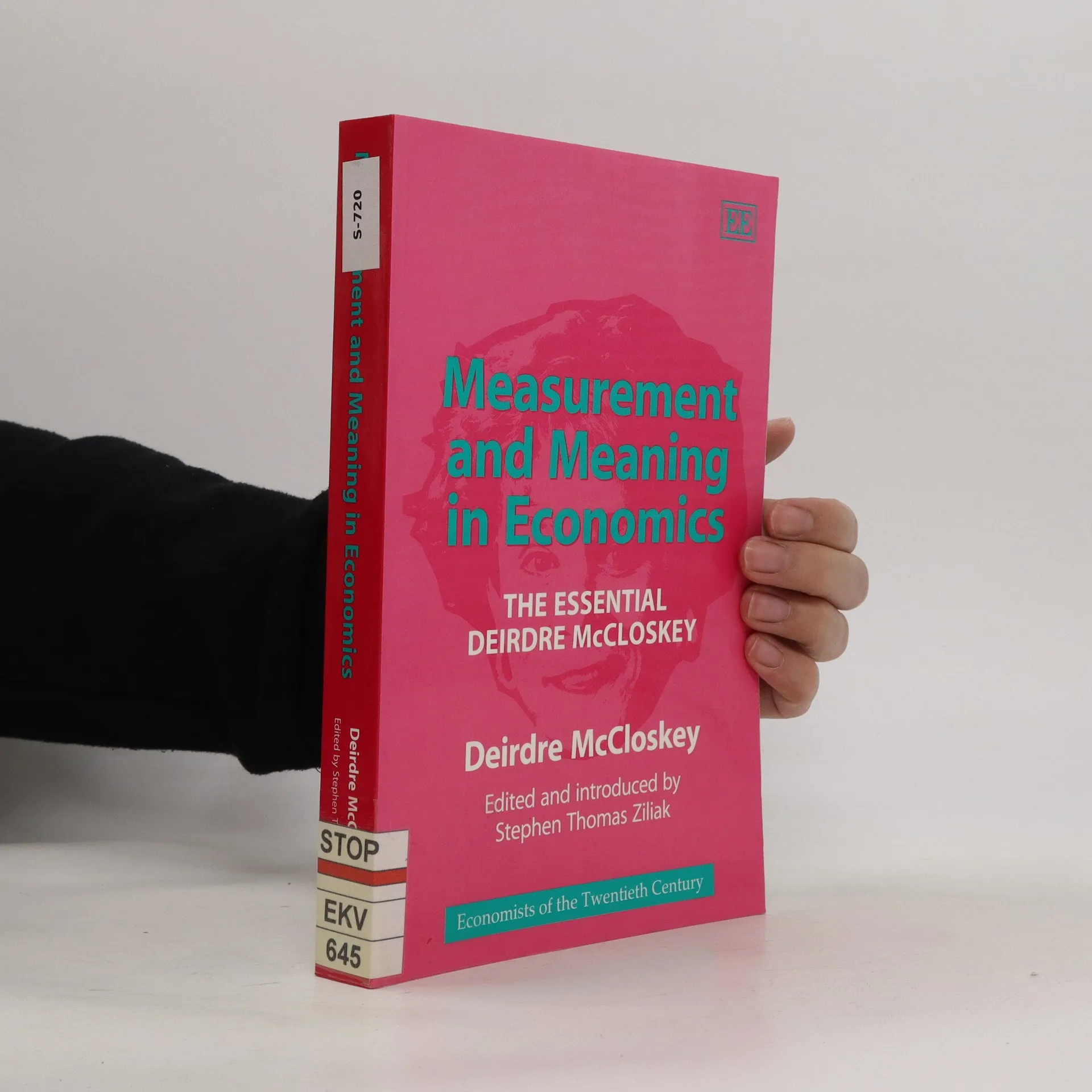
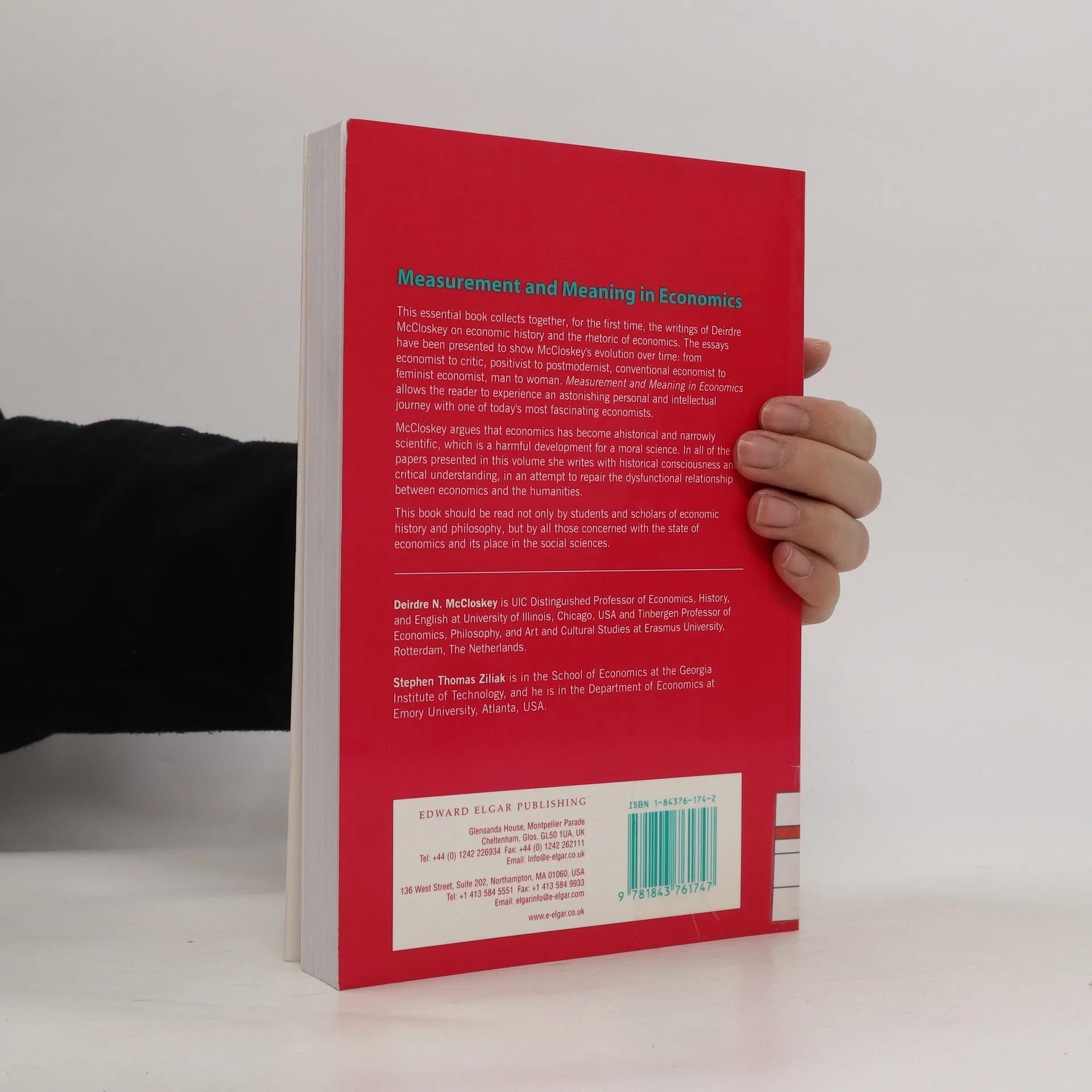
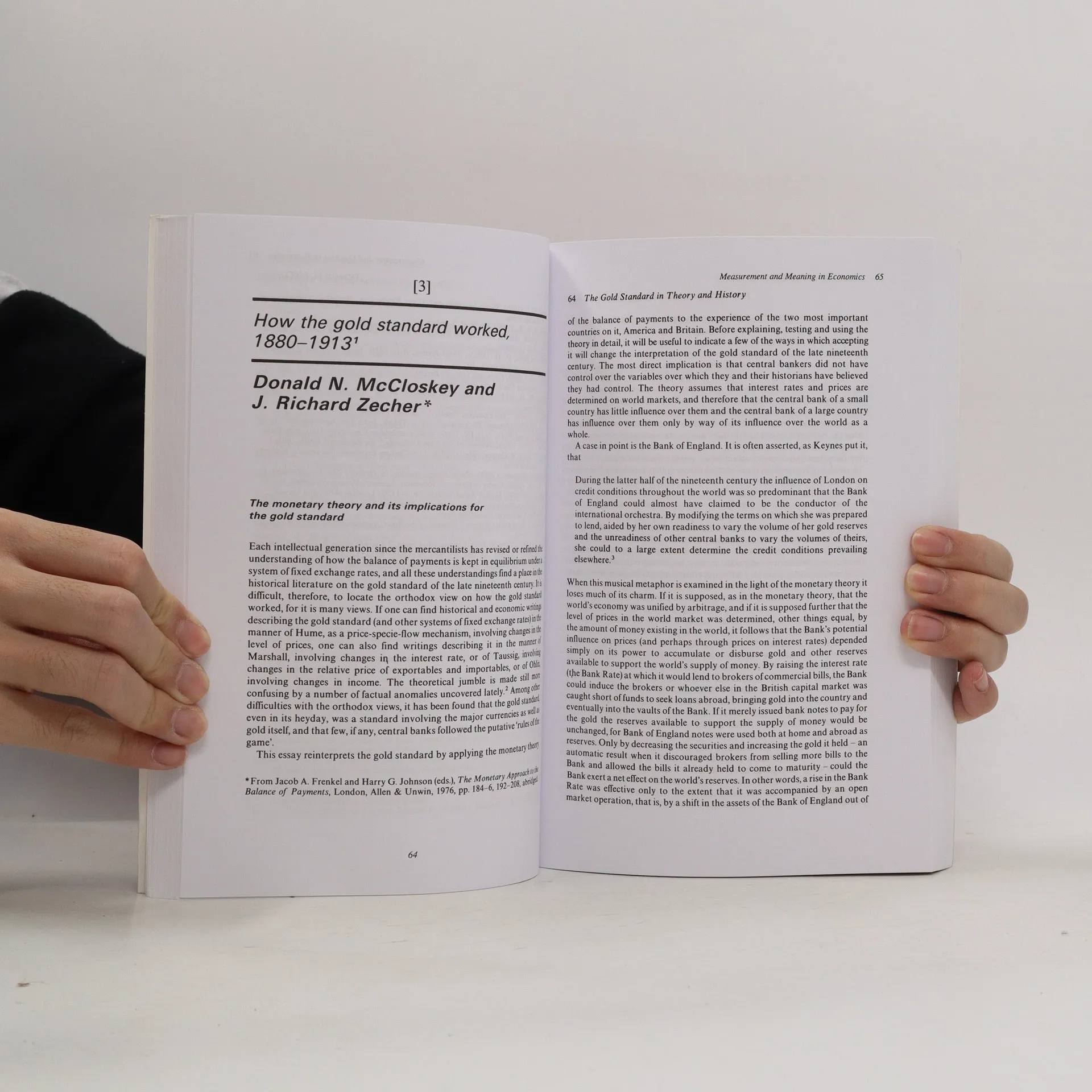
This essential book, now available in paperback, collects the writings of Deirdre McCloskey on economic history and the rhetoric of economics. The essays have been presented to show McCloskey's evolution over time: from economist to critic, positivist to postmodernist, conventional economist to feminist economist, man to woman. Measurement and Meaning in Economics allows the reader to experience an astonishing personal and intellectual journey with one of today's most fascinating economists. McCloskey argues that economics has become a historical and narrowly scientific, which is a harmful development for a moral science. In all of the papers presented in this volume she writes with historical consciousness and critical understanding in an attempt to repair the dysfunctional relationship between economics and the humanities. This book should be read not only by students and scholars of economic history and philosophy, but by all those concerned with the state of economics and its place in the social sciences.
Nákup knihy
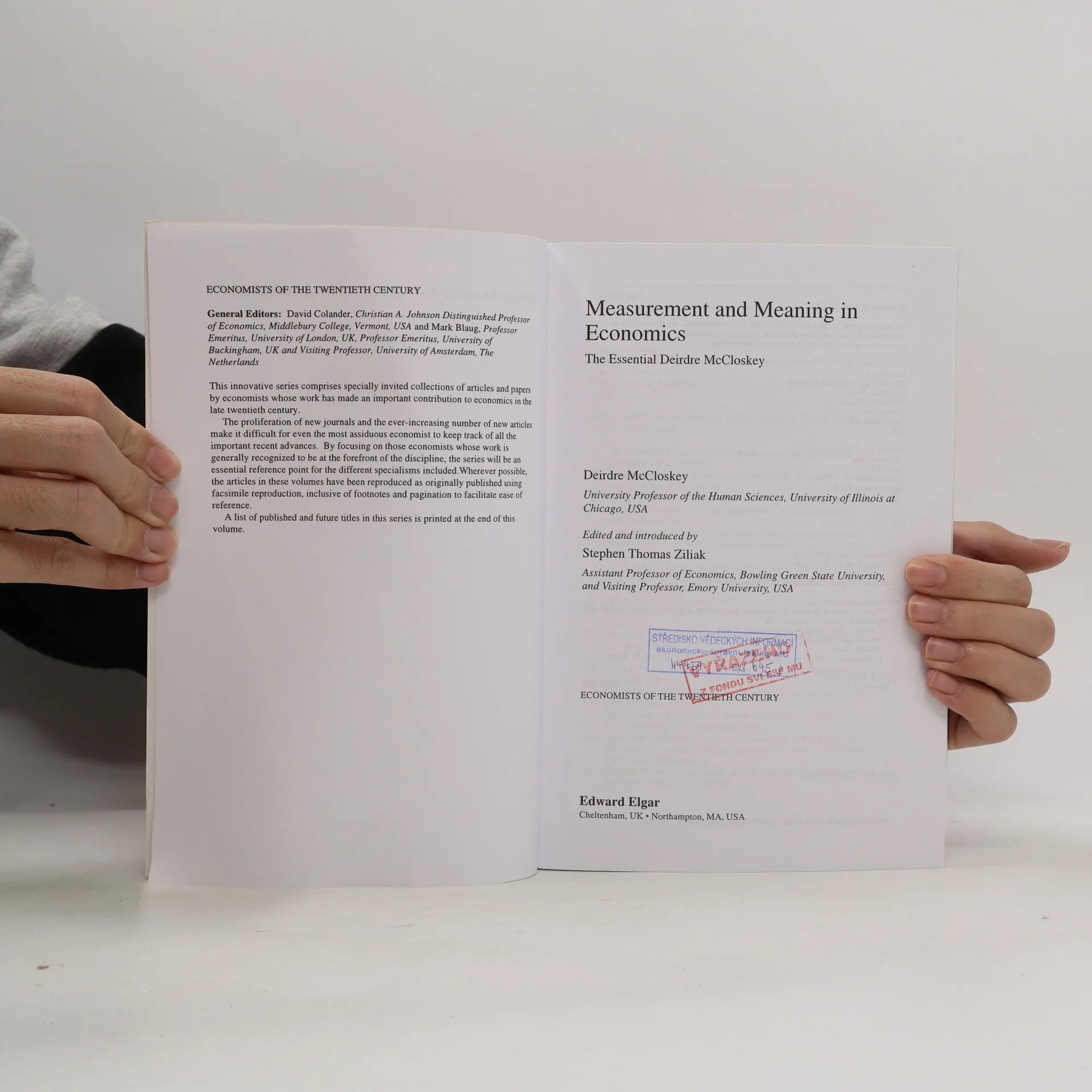
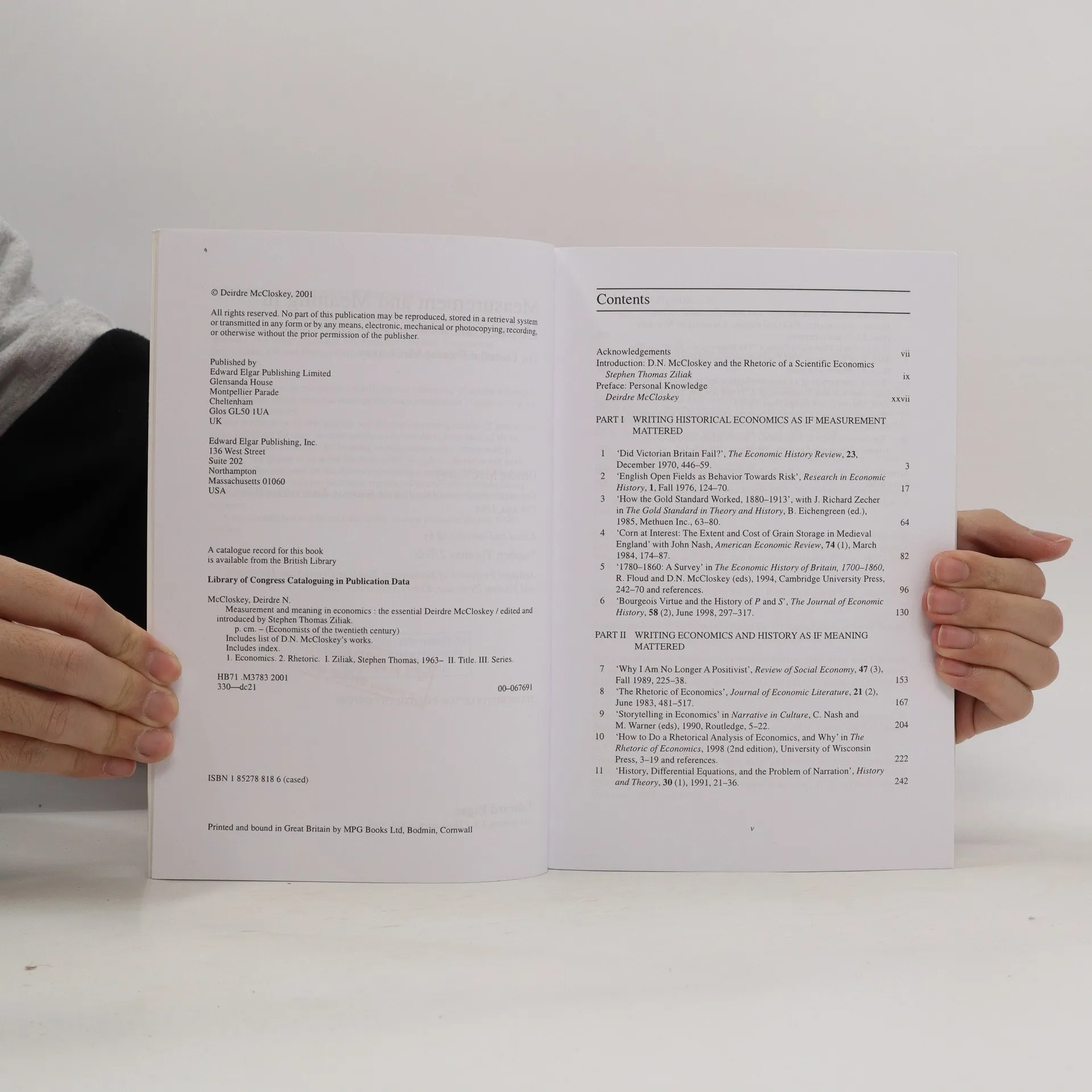
Measurement and Meaning in Economics, Deirdre N. McCloskey
- Jazyk

- Rok vydania
- 2001
- Väzba
- (mäkká)
Nikto zatiaľ neohodnotil.
- Titul
- Measurement and Meaning in Economics
- Jazyk
- anglicky
- Autori
- Deirdre N. McCloskey
- Vydavateľ
- Edward Elgar Publishing
- Rok vydania
- 2001
- Väzba
- mäkká
- Počet strán
- 416
- ISBN10
- 1843761742
- ISBN13
- 9781843761747
- Série
- Štítky
- Byznys
- Anotácia
- This essential book, now available in paperback, collects the writings of Deirdre McCloskey on economic history and the rhetoric of economics. The essays have been presented to show McCloskey's evolution over time: from economist to critic, positivist to postmodernist, conventional economist to feminist economist, man to woman. Measurement and Meaning in Economics allows the reader to experience an astonishing personal and intellectual journey with one of today's most fascinating economists. McCloskey argues that economics has become a historical and narrowly scientific, which is a harmful development for a moral science. In all of the papers presented in this volume she writes with historical consciousness and critical understanding in an attempt to repair the dysfunctional relationship between economics and the humanities. This book should be read not only by students and scholars of economic history and philosophy, but by all those concerned with the state of economics and its place in the social sciences.