

Viac o knihe
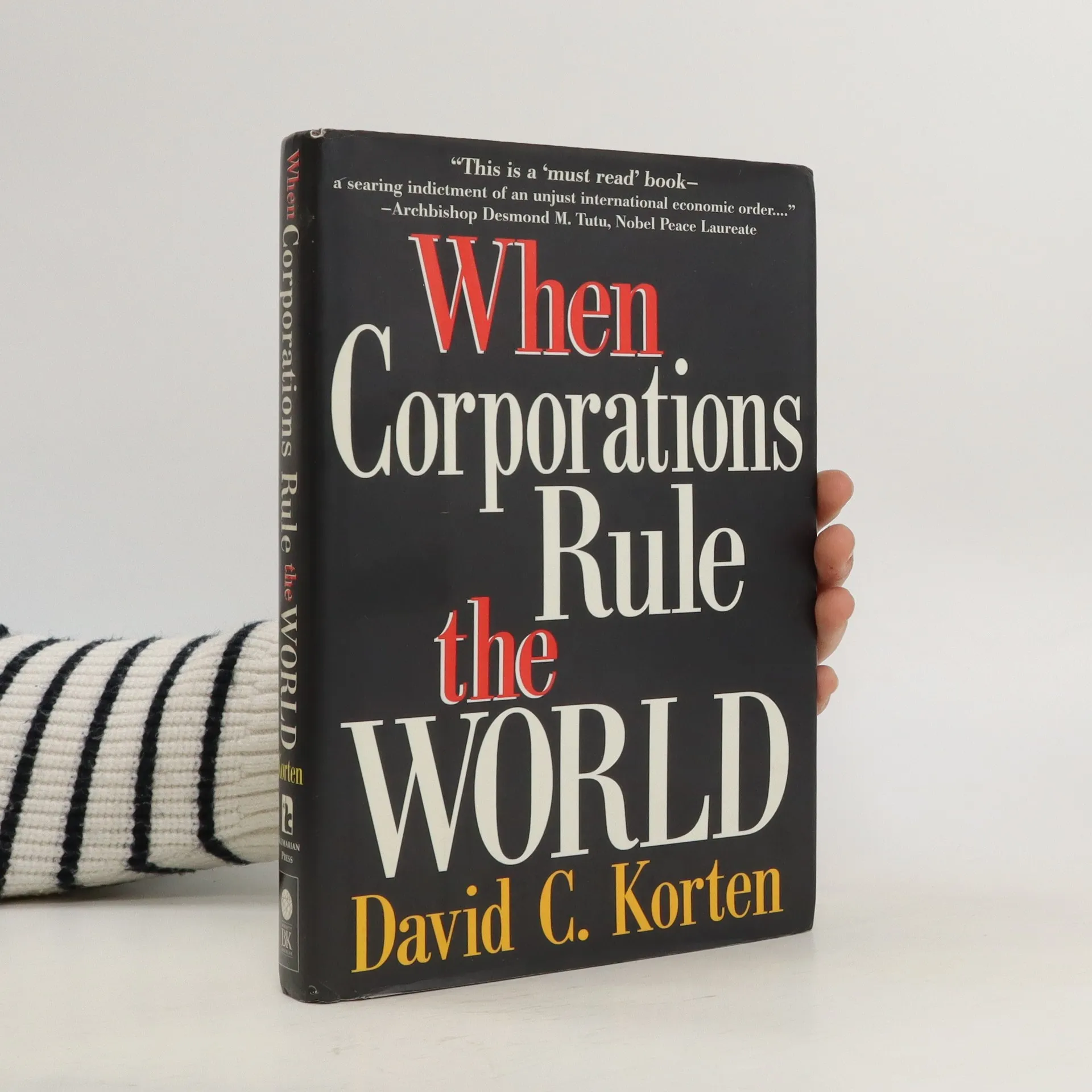
Our Choice: Democracy or Corporate Rule A handful of corporations and financial institutions command an ever-greater concentration of economic and political power in an assault against markets, democracy, and life. It's a "suicide economy," says David Korten, that destroys the very foundations of its own existence. The bestselling 1995 edition of When Corporations Rule the World helped launch a global resistance against corporate domination. In this twentieth-anniversary edition, Korten shares insights from his personal experience as a participant in the growing movement for a New Economy. A new introduction documents the further concentration of wealth and corporate power since 1995 and explores why our institutions resolutely resist even modest reform. A new conclusion chapter outlines high-leverage opportunities for breakthrough change.



Nákup knihy
When Corporations Rule the World, David C. Korten
- Jazyk

- Rok vydania
- 2004
- Väzba
- (pevná)
Platobné metódy
Tu nám chýba tvoja recenzia
- Jazyk
- anglicky
- Autori
- David C. Korten
- Vydavateľ
- Berrett-Koehler Publishers
- Rok vydania
- 2004
- Väzba
- pevná
- ISBN10
- 1887208003
- ISBN13
- 9781887208000
- Série
- Štítky
- Náučná literatúra, Spoločenské vedy, Historické téma, História, Byznys, Biznis & Manažment, Politológia & Politika, Politika, Literatúra faktu, Ekonómia, Sociológia, Udržateľnosť, Chudoba, Globalizácia, Nadnárodné korporácie
- Prvé vydanie
- 1995
- Pôvodný názov
- When Corporations Rule The World
- Hodnotenie
- 4,05 z 5
- Anotácia
- Our Choice: Democracy or Corporate Rule A handful of corporations and financial institutions command an ever-greater concentration of economic and political power in an assault against markets, democracy, and life. It's a "suicide economy," says David Korten, that destroys the very foundations of its own existence. The bestselling 1995 edition of When Corporations Rule the World helped launch a global resistance against corporate domination. In this twentieth-anniversary edition, Korten shares insights from his personal experience as a participant in the growing movement for a New Economy. A new introduction documents the further concentration of wealth and corporate power since 1995 and explores why our institutions resolutely resist even modest reform. A new conclusion chapter outlines high-leverage opportunities for breakthrough change.