

Viac o knihe
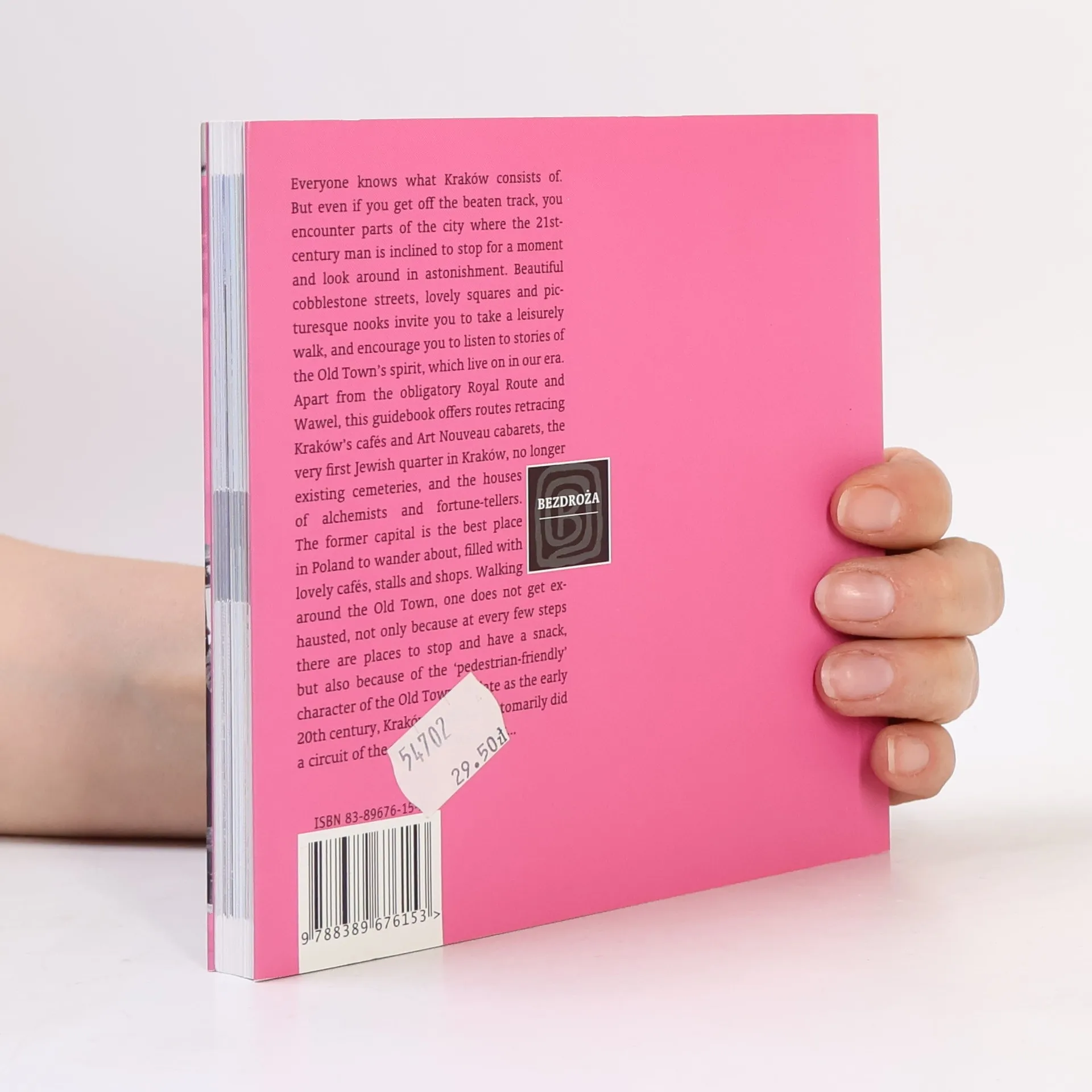
Józef Friedlein, mayor of early 20th-century Kraków, had a routine of walking the entire town of King Krak, a manageable task given its 8 square kilometers, including over 1 square kilometer of Błonia—a vast meadow serving as both a field airport and cavalry fodder reserve. Living outside the ramparts came with customs duties and a "demolition bond," discouraging investment beyond the town center. A century earlier, in the 18th century, Kraków was cramped within its medieval walls, which are now part of the Planty park, housing about 8,000 residents with ample free space, over 40% owned by monasteries on nearly every street. Just before World War II, ambitious plans for "Great Kraków" emerged, but these could only be realized in the 1920s after Poland regained independence. The post-war establishment of the Nowa Huta Steelworks and subsequent peripheral housing developments transformed the "Small Kraków" of the early century into one of the country's largest metropolises.
Vydanie

Nákup knihy
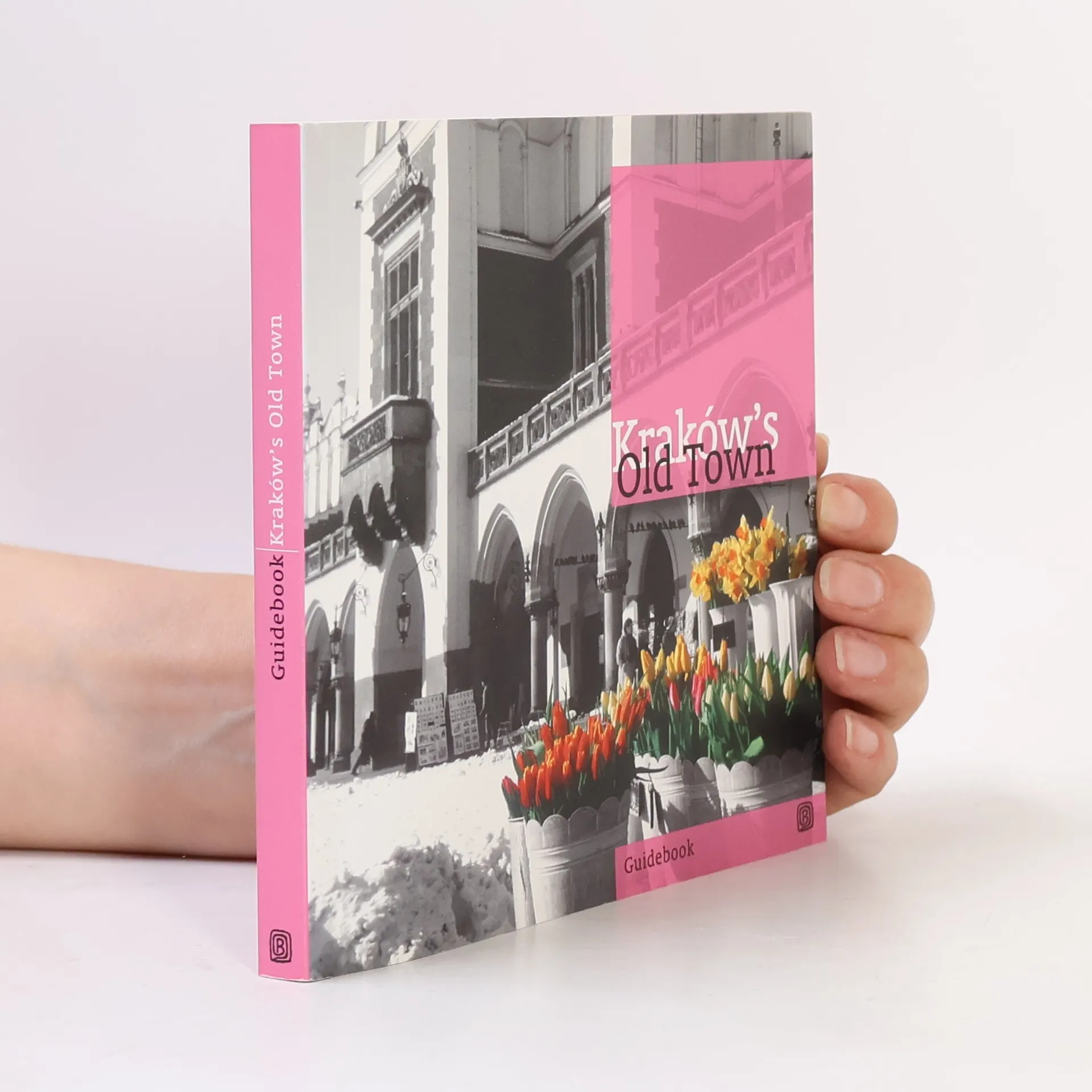
Kraków's Old Town, Maciej Miezian, Pawel Klimek
- Jazyk

- Rok vydania
- 2004
- Väzba
- (mäkká)
Doručenie
Platobné metódy
Nikto zatiaľ neohodnotil.
- Titul
- Kraków's Old Town
- Podtitul
- Retracing Kings, Artists and Alchemists: [Guidebook]
- Jazyk
- anglicky
- Autori
- Maciej Miezian, Pawel Klimek
- Vydavateľ
- Bezdroża
- Rok vydania
- 2004
- Väzba
- mäkká
- Počet strán
- 156
- ISBN10
- 838967615X
- ISBN13
- 9788389676153
- Série
- Kategórie
- Štítky
- Cestovanie
- Anotácia
- Józef Friedlein, mayor of early 20th-century Kraków, had a routine of walking the entire town of King Krak, a manageable task given its 8 square kilometers, including over 1 square kilometer of Błonia—a vast meadow serving as both a field airport and cavalry fodder reserve. Living outside the ramparts came with customs duties and a "demolition bond," discouraging investment beyond the town center. A century earlier, in the 18th century, Kraków was cramped within its medieval walls, which are now part of the Planty park, housing about 8,000 residents with ample free space, over 40% owned by monasteries on nearly every street. Just before World War II, ambitious plans for "Great Kraków" emerged, but these could only be realized in the 1920s after Poland regained independence. The post-war establishment of the Nowa Huta Steelworks and subsequent peripheral housing developments transformed the "Small Kraków" of the early century into one of the country's largest metropolises.