



Viac o knihe
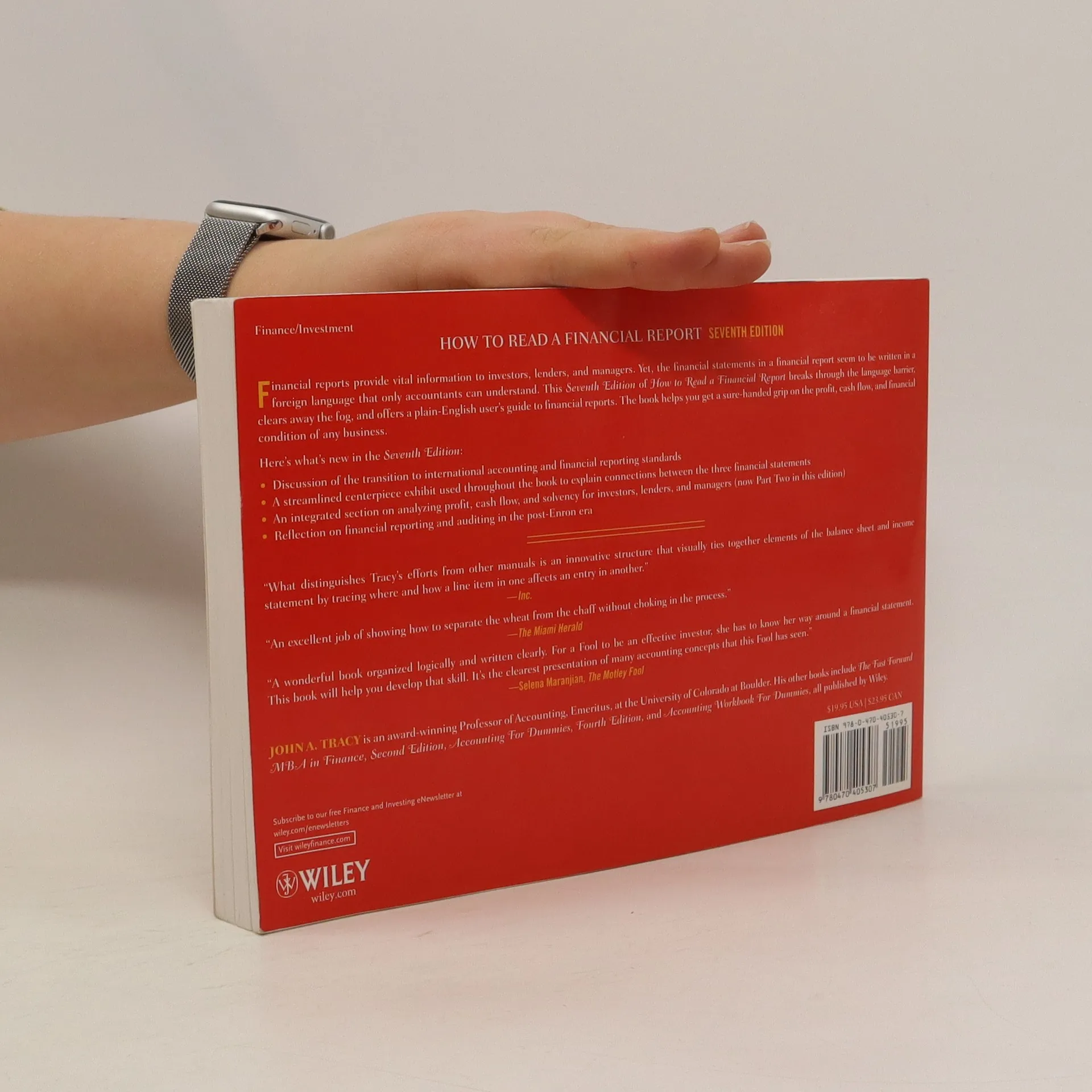
Financial reports are essential for investors, lenders, and managers, yet they often appear as a foreign language understandable only by accountants. This Seventh Edition breaks down the barriers, offering a plain-English guide to financial reports. It equips readers with a solid understanding of a business's profit, cash flow, and financial condition. Key updates include: a discussion on the transition to international accounting standards; a streamlined exhibit throughout the book illustrating connections between the three financial statements; an integrated section on analyzing profit, cash flow, and solvency tailored for investors, lenders, and managers; and reflections on financial reporting and auditing in the post-Enron era. The book's innovative structure visually links elements of the balance sheet and income statement, demonstrating how one line item impacts another. Praise for the book highlights its ability to help readers discern important information without getting overwhelmed. It is organized logically and written clearly, making it an invaluable resource for anyone looking to navigate financial statements effectively. This edition stands out as the clearest presentation of accounting concepts, enhancing the reader's skills in financial analysis.



Nákup knihy
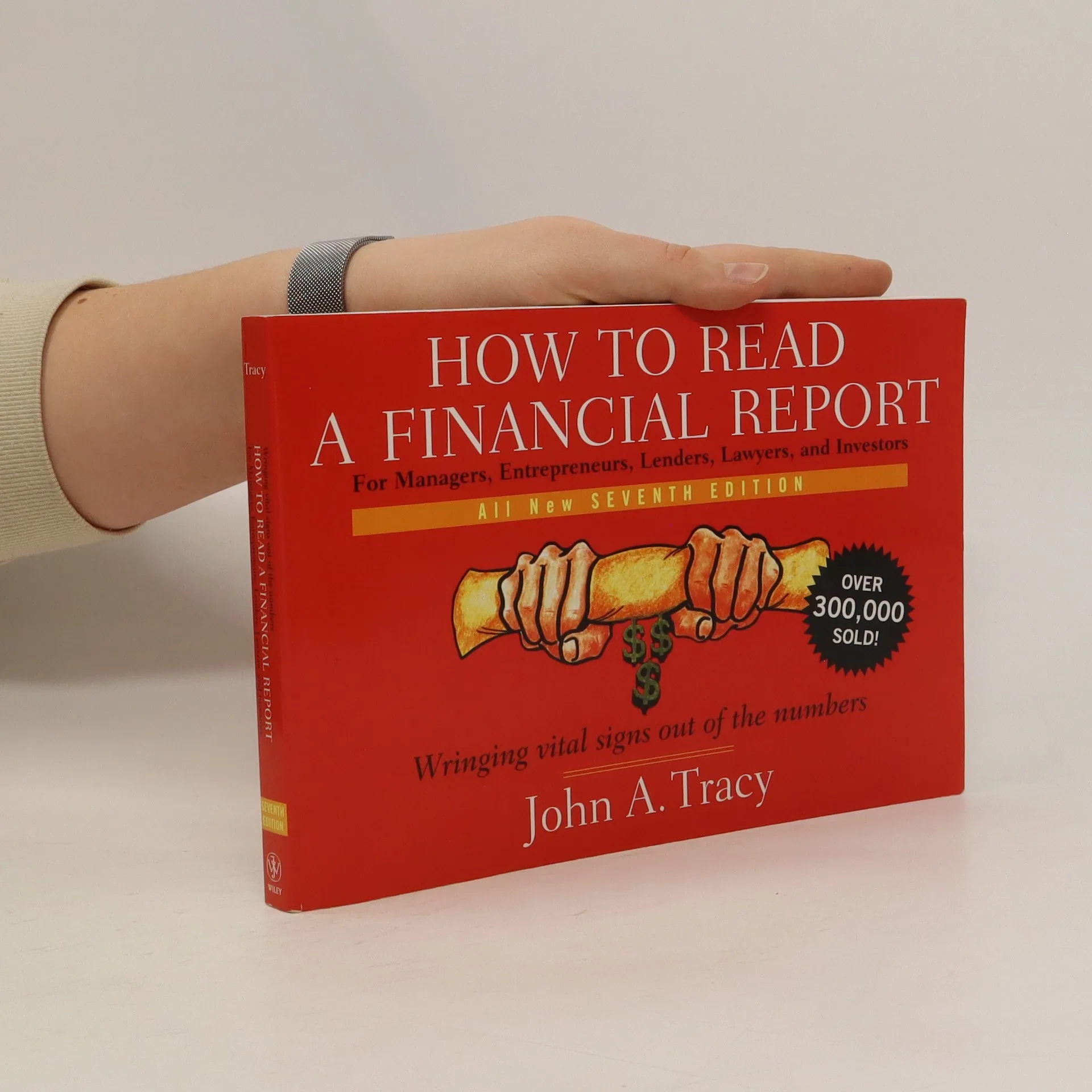
How to Read a Financial Report, John A. Tracy
- Jazyk

- Rok vydania
- 2009
- product-detail.submit-box.info.binding
- (mäkká)
Platobné metódy
Tu nám chýba tvoja recenzia
- Jazyk
- anglicky
- Autori
- John A. Tracy
- Vydavateľ
- Wiley, John, & Sons, Inc
- Rok vydania
- 2009
- Väzba
- mäkká
- Počet strán
- 201
- ISBN10
- 0470405309
- ISBN13
- 9780470405307
- Série
- Štítky
- Náučná literatúra, Byznys, Biznis & Manažment, Sebarozvoj, Financie, Financie & Účtovníctvo, Podnikanie, Účtovníctvo
- Hodnotenie
- 3,9 z 5
- Anotácia
- Financial reports are essential for investors, lenders, and managers, yet they often appear as a foreign language understandable only by accountants. This Seventh Edition breaks down the barriers, offering a plain-English guide to financial reports. It equips readers with a solid understanding of a business's profit, cash flow, and financial condition. Key updates include: a discussion on the transition to international accounting standards; a streamlined exhibit throughout the book illustrating connections between the three financial statements; an integrated section on analyzing profit, cash flow, and solvency tailored for investors, lenders, and managers; and reflections on financial reporting and auditing in the post-Enron era. The book's innovative structure visually links elements of the balance sheet and income statement, demonstrating how one line item impacts another. Praise for the book highlights its ability to help readers discern important information without getting overwhelmed. It is organized logically and written clearly, making it an invaluable resource for anyone looking to navigate financial statements effectively. This edition stands out as the clearest presentation of accounting concepts, enhancing the reader's skills in financial analysis.