

Viac o knihe
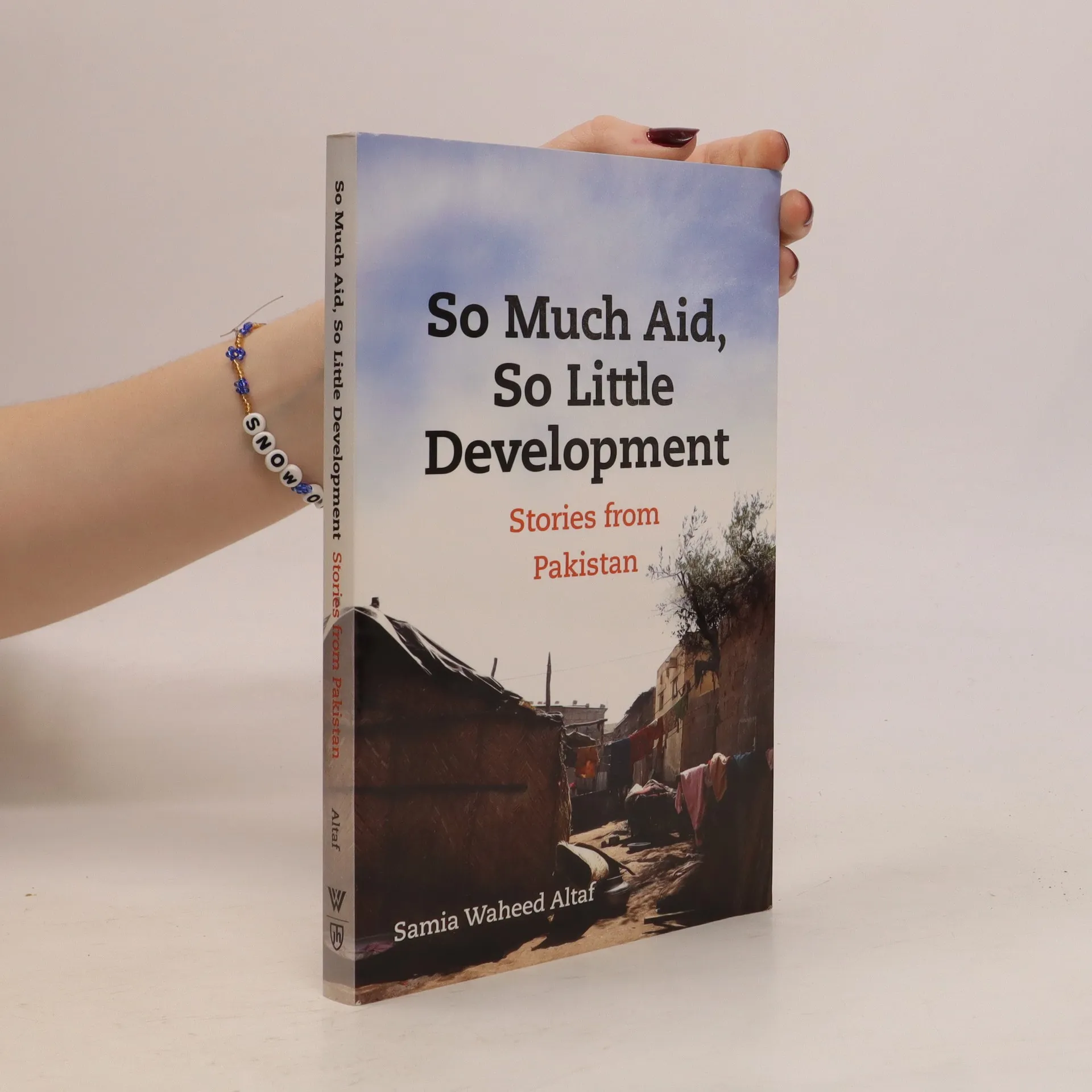
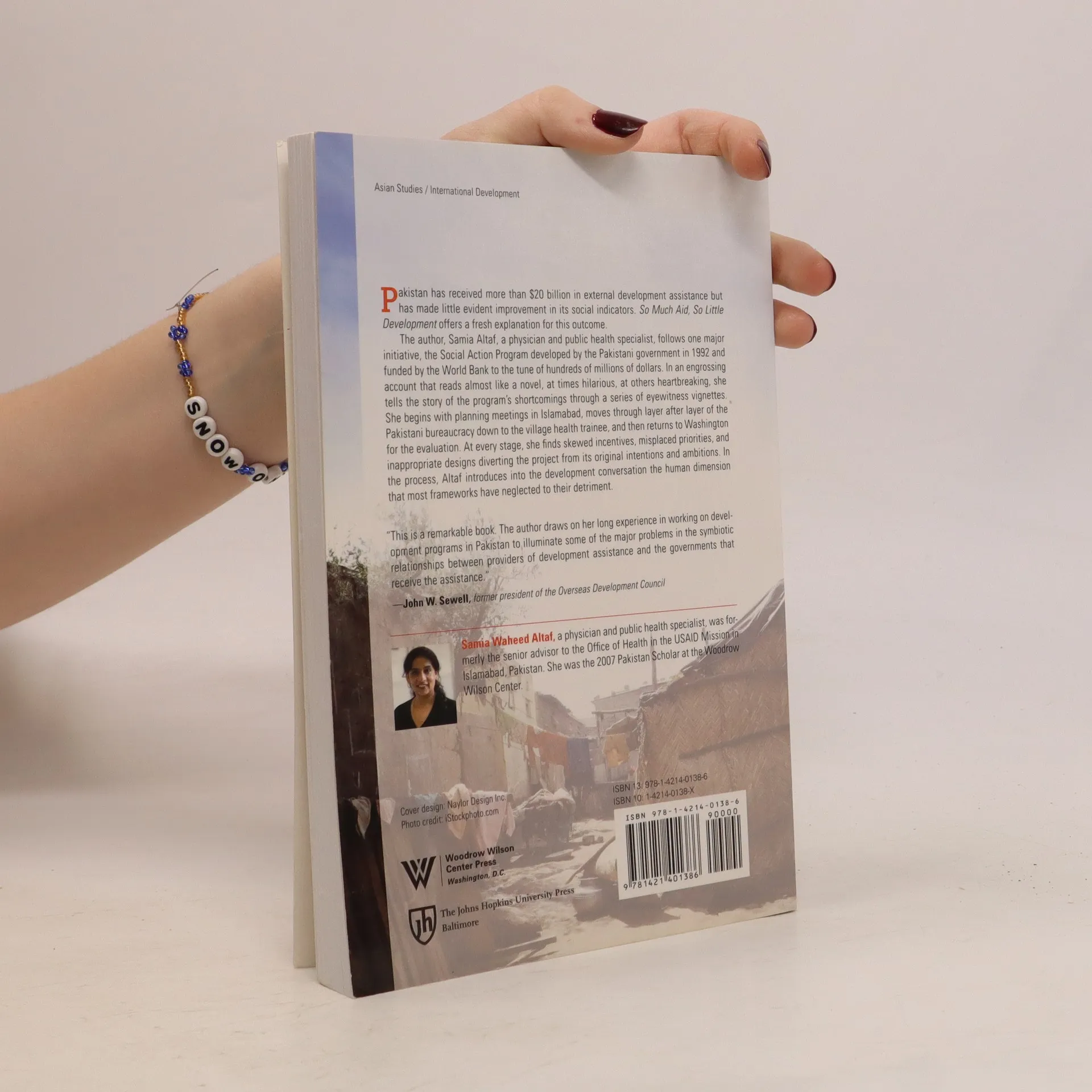
Pakistan has received more than $20 billion in external development assistance but has made little evident improvement in its social indicators. So Much Aid, So Little Development offers a fresh explanation for this outcome. The author, Samia Altaf, a physician and public health specialist, follows one major initiative, the Social Action Program developed by the Pakistani government in 1992 and funded by the World Bank to the tune of hundreds of millions of dollars. In an engrossing account that reads almost like a novel, at times hilarious, at others heartbreaking, she tells the story of the program’s shortcomings through a series of eyewitness vignettes. She begins with planning meetings in Islamabad, moves through layer after layer of the Pakistani bureaucracy down to the village health trainee, and then returns to Washington for the evaluation. At every stage, she finds skewed incentives, misplaced priorities, and inappropriate designs diverting the project from its original intentions and ambitions. In the process, Altaf introduces into the development conversation the human dimension that most frameworks have neglected to their detriment.
Nákup knihy
So Much Aid, So Little Development, Samia Waheed Altaf
- Jazyk

- Rok vydania
- 2011
- Väzba
- (pevná)
Doručenie
Platobné metódy
Tu nám chýba tvoja recenzia
- Titul
- So Much Aid, So Little Development
- Jazyk
- anglicky
- Autori
- Samia Waheed Altaf
- Vydavateľ
- Johns Hopkins University Press
- Rok vydania
- 2011
- Väzba
- pevná
- Počet strán
- 224
- ISBN10
- 142140138X
- ISBN13
- 9781421401386
- Série
- Štítky
- Hodnotenie
- 3,5 z 5
- Anotácia
- Pakistan has received more than $20 billion in external development assistance but has made little evident improvement in its social indicators. So Much Aid, So Little Development offers a fresh explanation for this outcome. The author, Samia Altaf, a physician and public health specialist, follows one major initiative, the Social Action Program developed by the Pakistani government in 1992 and funded by the World Bank to the tune of hundreds of millions of dollars. In an engrossing account that reads almost like a novel, at times hilarious, at others heartbreaking, she tells the story of the program’s shortcomings through a series of eyewitness vignettes. She begins with planning meetings in Islamabad, moves through layer after layer of the Pakistani bureaucracy down to the village health trainee, and then returns to Washington for the evaluation. At every stage, she finds skewed incentives, misplaced priorities, and inappropriate designs diverting the project from its original intentions and ambitions. In the process, Altaf introduces into the development conversation the human dimension that most frameworks have neglected to their detriment.