

Viac o knihe
This is the first complete English translation of a 20th-century historical classic. The work presents a vivid portrait of life, thought, and art in 14th and 15th-century France and the Netherlands. Previous translations, particularly The Waning of the Middle Ages, significantly diverged from the original Dutch text, leading to misunderstandings of Huizinga's ideas. He viewed this period not as the dawn of the Renaissance but as the culmination of medieval life and thought. Initially published in 1919, Huizinga's work faced criticism for being "old-fashioned" and overly literary. The 1924 translation by Fritz Hopman altered the original, diluting Huizinga's arguments and omitting key theoretical passages, while also misrepresenting some content. This new translation rectifies those issues, restoring the original structure and nuances of Huizinga's thought. Prose quotations appear in French, with translations provided, and all mistranslations have been corrected. Critics praise this new version for its fidelity to Huizinga's intent, emphasizing its significance as a major historical interpretation that deserves renewed attention in scholarly discussions.





Nákup knihy
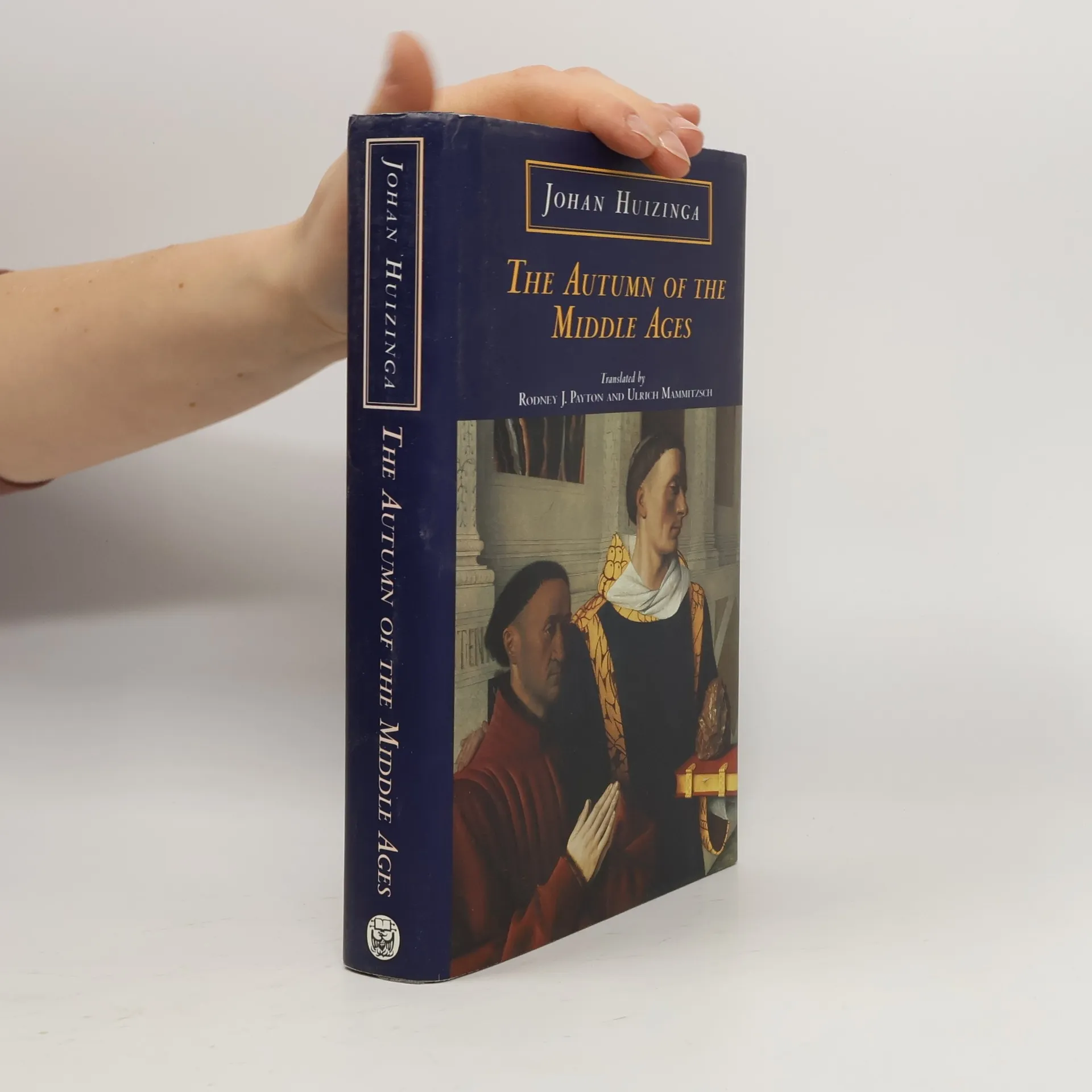
The Autumn of the Middle Ages, Johan Huizinga, Rodney J. Payton, Ulrich Mammitzsch
- Jazyk

- Rok vydania
- 1996
- Väzba
- (pevná)
Platobné metódy
Tu nám chýba tvoja recenzia
- Jazyk
- anglicky
- Vydavateľ
- The University of Chicago Press
- Rok vydania
- 1996
- Väzba
- pevná
- Počet strán
- 467
- ISBN10
- 0226359921
- ISBN13
- 9780226359922
- Série
- Štítky
- Náučná literatúra, Umenie & Kultúra, Historické téma, História, Umenie, Francúzsko, Teória & Dejiny umenia, Európa, Stredovek, Dejiny umenia, Dejiny Európy, Kulturné dejiny, História všedného dňa, Holandsko, 15. storočie, 14. storočie, Dejiny Francúzska, Neskorý stredovek, Burgundsko, Flandry, Flámsko
- Prvé vydanie
- 1919
- Pôvodný názov
- Herfsttij der Middeleeuwen
- Hodnotenie
- 4,05 z 5
- Anotácia
- This is the first complete English translation of a 20th-century historical classic. The work presents a vivid portrait of life, thought, and art in 14th and 15th-century France and the Netherlands. Previous translations, particularly The Waning of the Middle Ages, significantly diverged from the original Dutch text, leading to misunderstandings of Huizinga's ideas. He viewed this period not as the dawn of the Renaissance but as the culmination of medieval life and thought. Initially published in 1919, Huizinga's work faced criticism for being "old-fashioned" and overly literary. The 1924 translation by Fritz Hopman altered the original, diluting Huizinga's arguments and omitting key theoretical passages, while also misrepresenting some content. This new translation rectifies those issues, restoring the original structure and nuances of Huizinga's thought. Prose quotations appear in French, with translations provided, and all mistranslations have been corrected. Critics praise this new version for its fidelity to Huizinga's intent, emphasizing its significance as a major historical interpretation that deserves renewed attention in scholarly discussions.