



Viac o knihe
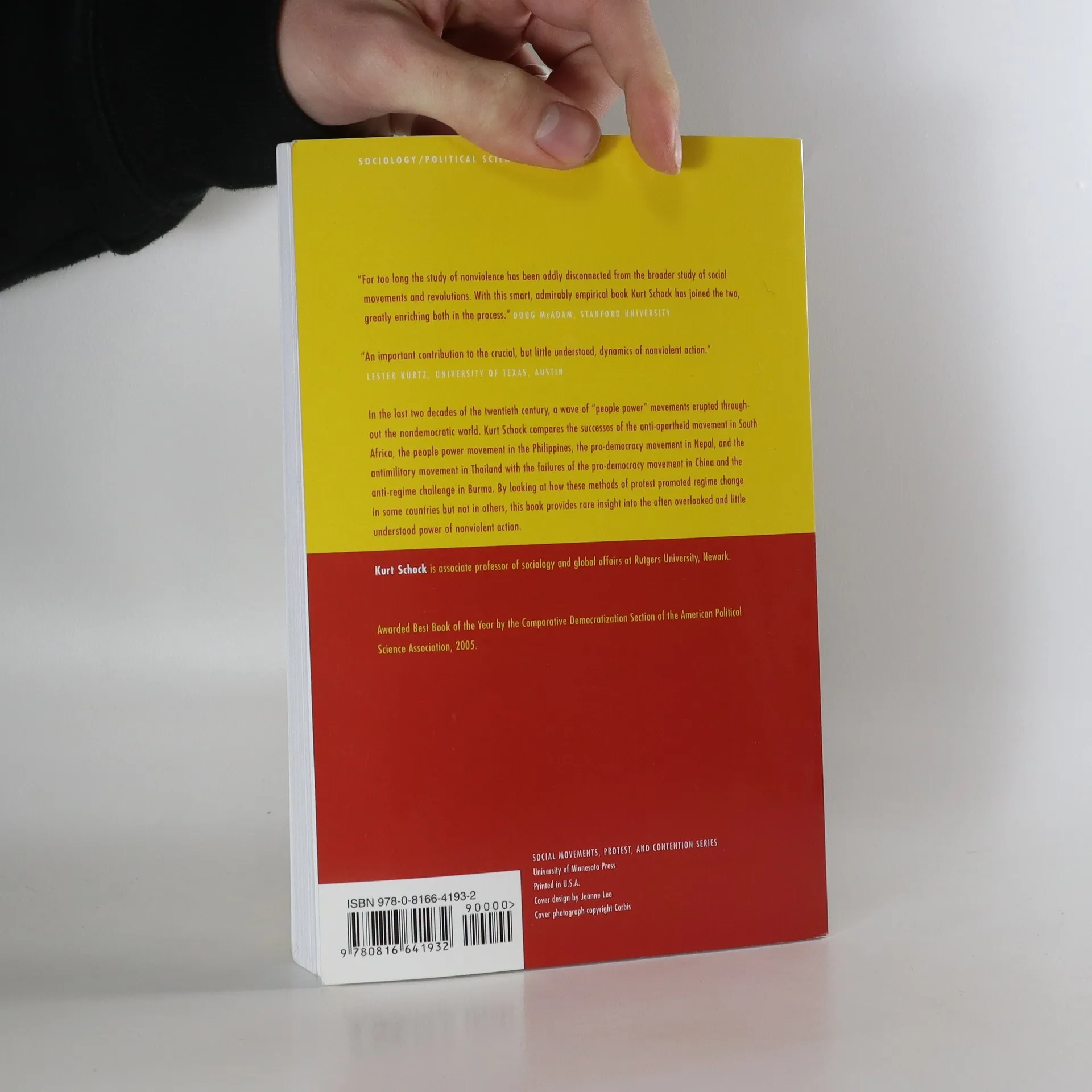
Pinpoints reasons for successes and failures of nonviolent protest movementsKurt Schock compares, along with other examples, the successes of anti-apartheid in South Africa and the people power movement in the Philippines with the failures of the pro-democracy movement in China and the anti-regime challenge in Burma. Unarmed Insurrections looks at how these methods promoted change in some countries but not in others, and provides insight into the power of nonviolent action.Winner of the American Political Science Association’s Comparative Democratization Section’s Best Book Award"For too long the study of nonviolence has been oddly disconnected from the broader study of social movements and revolutions. With this smart, admirably empirical book Kurt Schock has joined the two, greatly enriching both in the process."— Doug McAdam
Nákup knihy
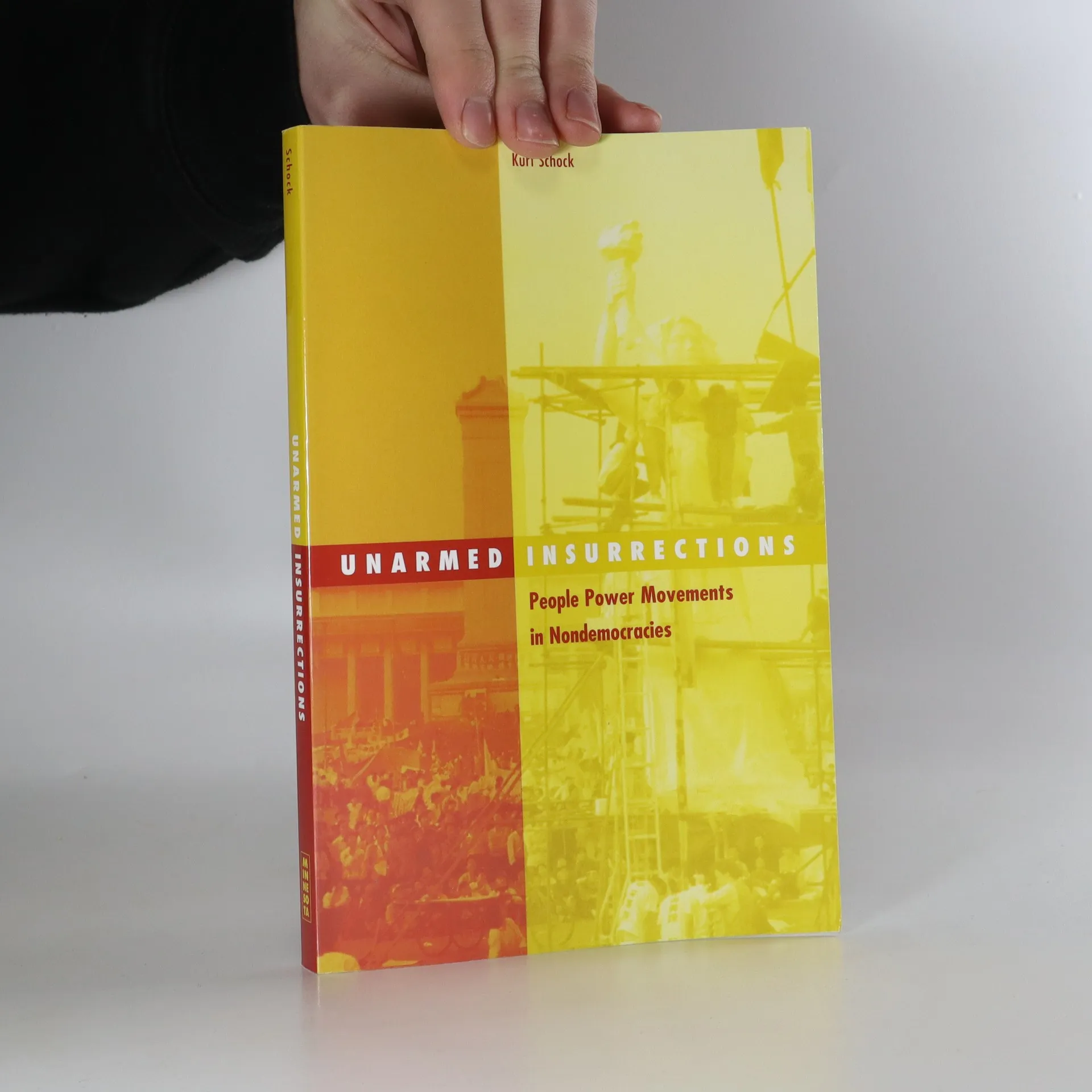
Unarmed insurrections people power movements in nondemocracies, Kurt Schock
- Jazyk

- Rok vydania
- 2005
- Väzba
- (mäkká)
Tu nám chýba tvoja recenzia
- Titul
- Unarmed insurrections people power movements in nondemocracies
- Jazyk
- anglicky
- Autori
- Kurt Schock
- Vydavateľ
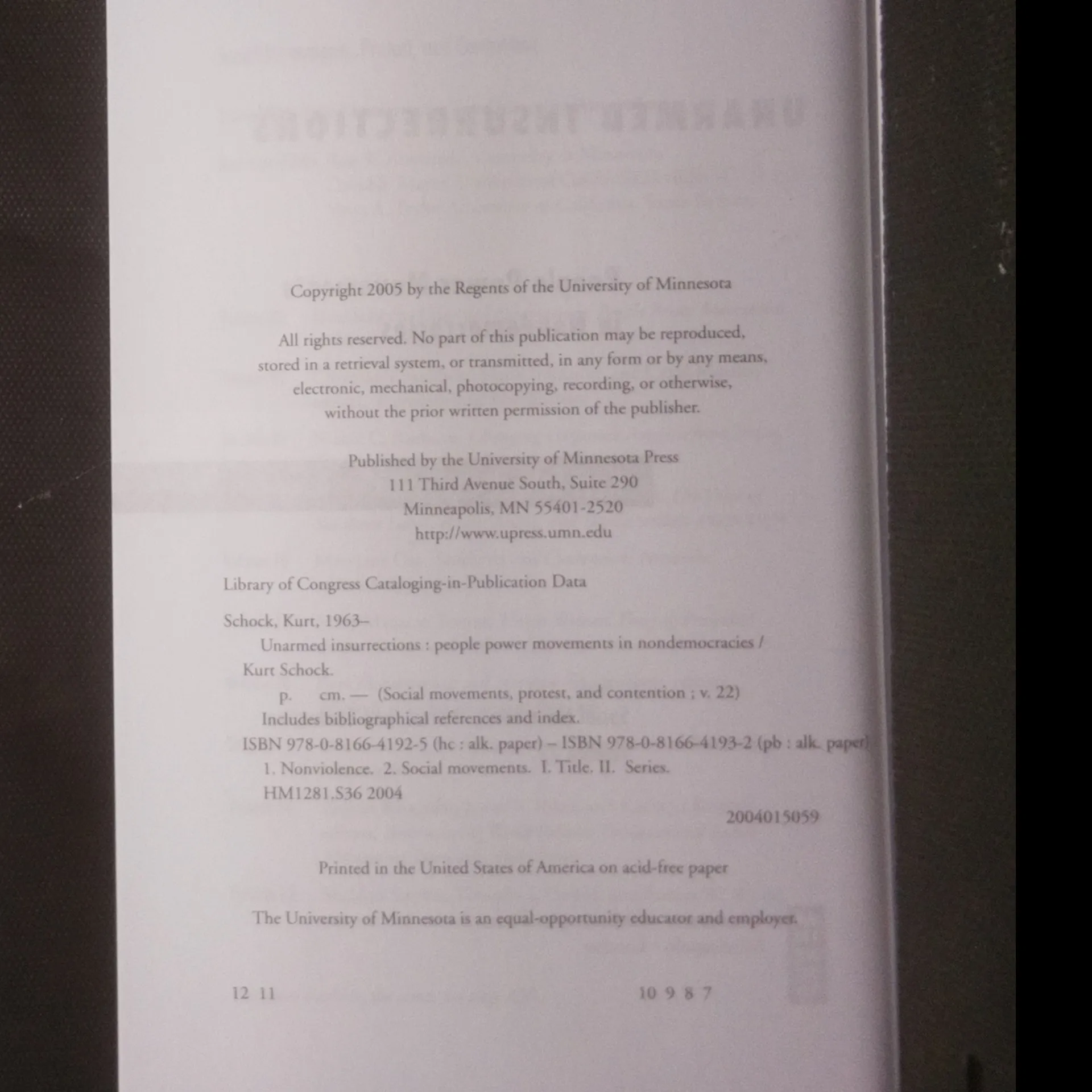
- University of Minnesota Press, 2009.
- Rok vydania
- 2005
- Väzba
- mäkká
- Počet strán
- 228
- ISBN10
- 0816641935
- ISBN13
- 9780816641932
- Série
- Štítky
- Politika
- Hodnotenie
- 3,8 z 5
- Anotácia
- Pinpoints reasons for successes and failures of nonviolent protest movementsKurt Schock compares, along with other examples, the successes of anti-apartheid in South Africa and the people power movement in the Philippines with the failures of the pro-democracy movement in China and the anti-regime challenge in Burma. Unarmed Insurrections looks at how these methods promoted change in some countries but not in others, and provides insight into the power of nonviolent action.Winner of the American Political Science Association’s Comparative Democratization Section’s Best Book Award"For too long the study of nonviolence has been oddly disconnected from the broader study of social movements and revolutions. With this smart, admirably empirical book Kurt Schock has joined the two, greatly enriching both in the process."— Doug McAdam