

Viac o knihe
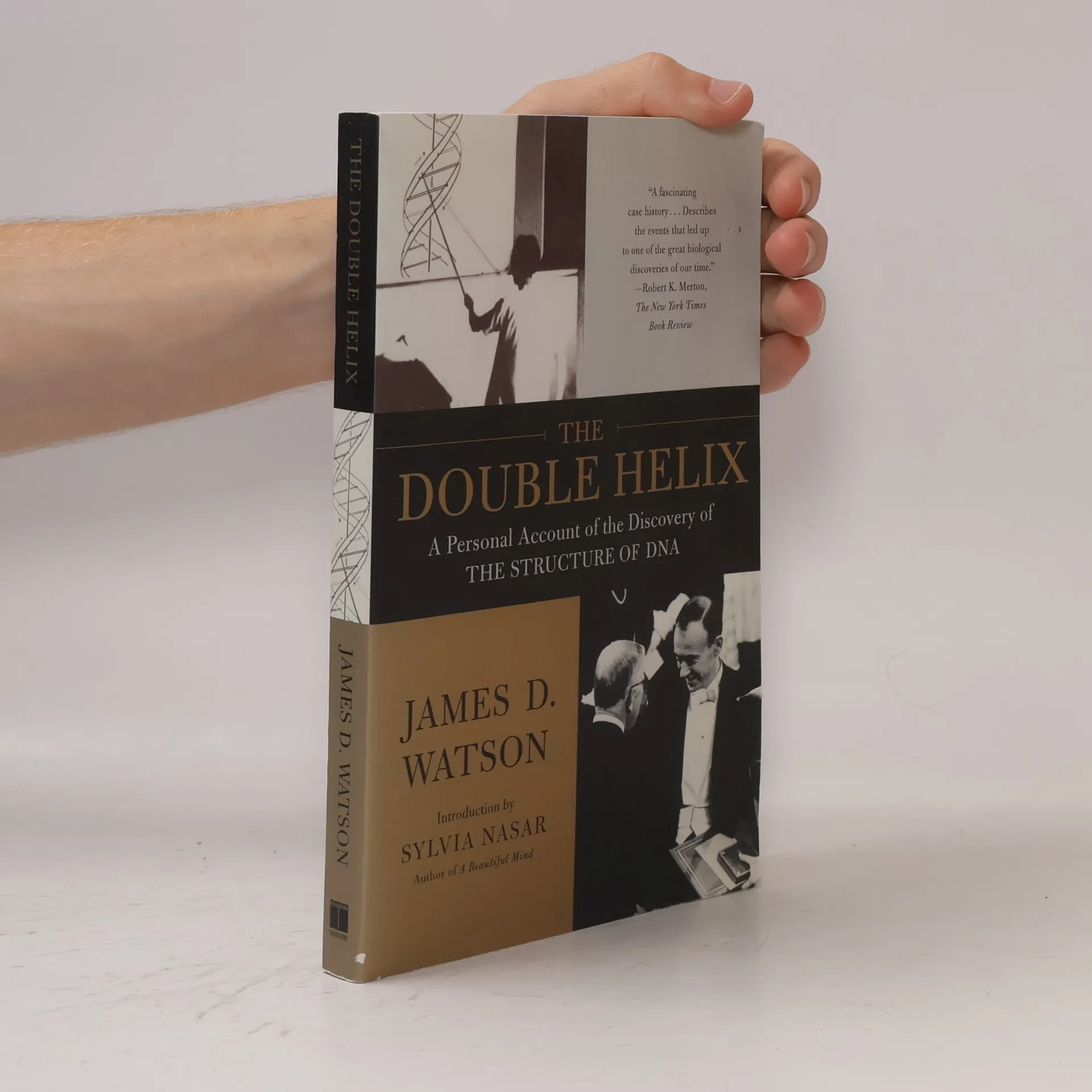
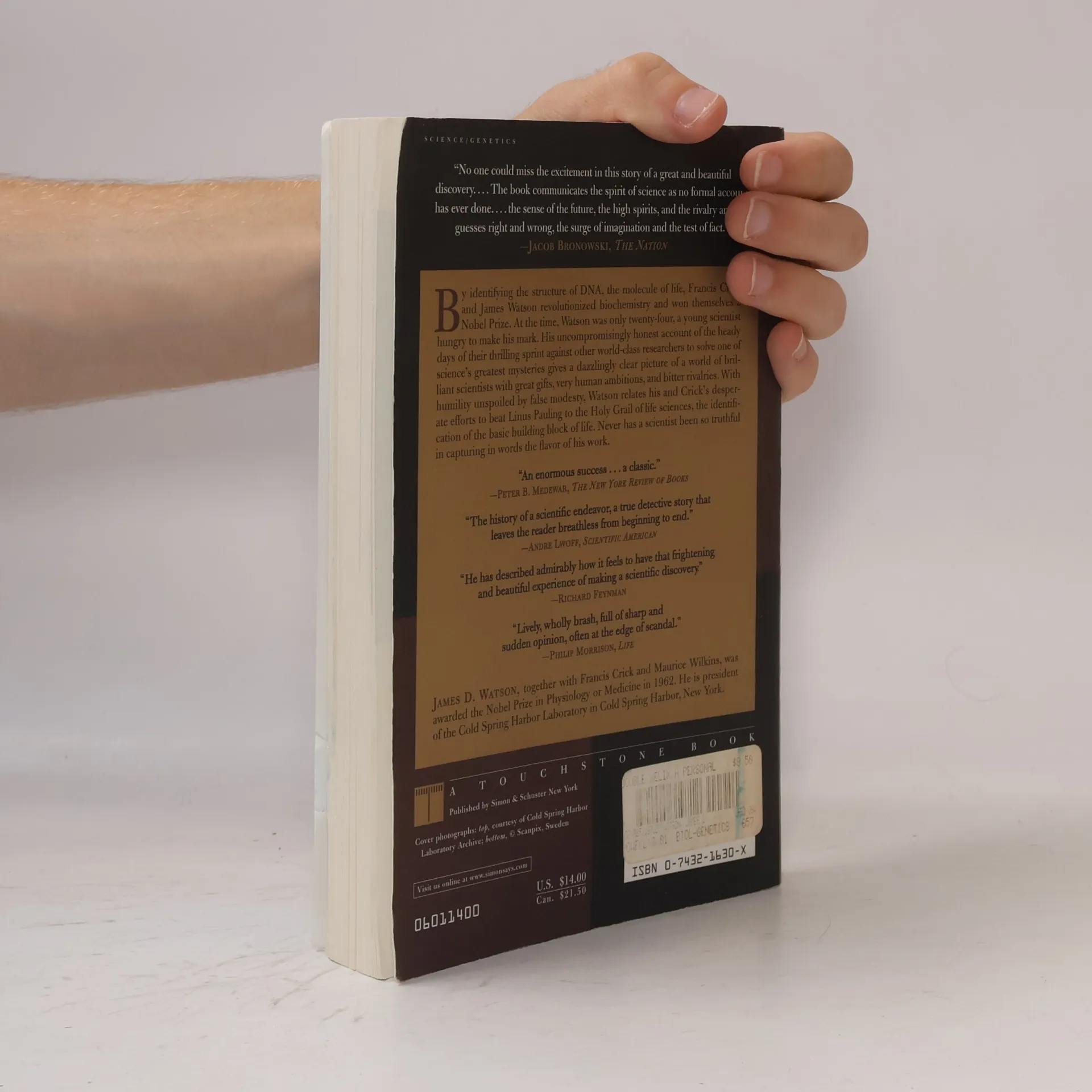
The classic personal account of Watson and Crick’s groundbreaking discovery of the structure of DNA, now with an introduction by Sylvia Nasar, author of A Beautiful Mind . By identifying the structure of DNA, the molecule of life, Francis Crick and James Watson revolutionized biochemistry and won themselves a Nobel Prize. At the time, Watson was only twenty-four, a young scientist hungry to make his mark. His uncompromisingly honest account of the heady days of their thrilling sprint against other world-class researchers to solve one of science’s greatest mysteries gives a dazzlingly clear picture of a world of brilliant scientists with great gifts, very human ambitions, and bitter rivalries. With humility unspoiled by false modesty, Watson relates his and Crick’s desperate efforts to beat Linus Pauling to the Holy Grail of life sciences, the identification of the basic building block of life. Never has a scientist been so truthful in capturing in words the flavor of his work.




Nákup knihy
The Double Helix, James Dewey Watson, Sylvia Nasar
- Jazyk

- Rok vydania
- 2001
- Väzba
- (mäkká)
Platobné metódy
Tu nám chýba tvoja recenzia
- Titul
- The Double Helix
- Podtitul
- A Personal Account of the Discovery of the Structure of DNA
- Jazyk
- anglicky
- Autori
- James Dewey Watson, Sylvia Nasar
- Vydavateľ
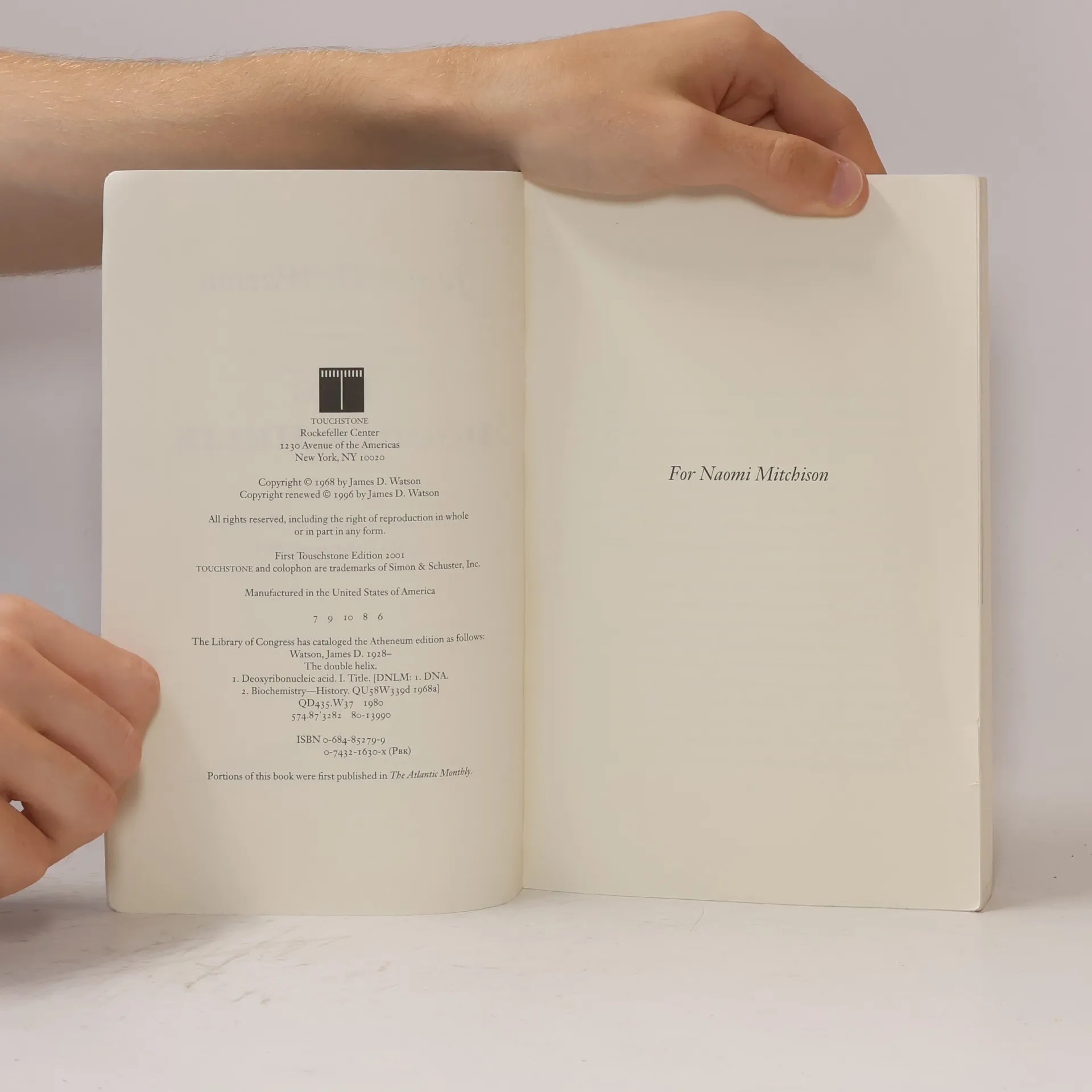
- Touchstone Books
- Rok vydania
- 2001
- Väzba
- mäkká
- Počet strán
- 256
- ISBN10
- 074321630X
- ISBN13
- 9780743216302
- Série
- Štítky
- Náučná literatúra, Historické téma, Skutočné príbehy, Životopisy, Veda & Matematika, Prírodné vedy, Biológia, Veda, Výskum, Teória & História vedy, Genetika, Vedci, Molekulárna biológia, Životopisy myslitelov, DNA (genetika)
- Pôvodný názov
- The double helix
- Hodnotenie
- 3,65 z 5
- Anotácia
- The classic personal account of Watson and Crick’s groundbreaking discovery of the structure of DNA, now with an introduction by Sylvia Nasar, author of A Beautiful Mind . By identifying the structure of DNA, the molecule of life, Francis Crick and James Watson revolutionized biochemistry and won themselves a Nobel Prize. At the time, Watson was only twenty-four, a young scientist hungry to make his mark. His uncompromisingly honest account of the heady days of their thrilling sprint against other world-class researchers to solve one of science’s greatest mysteries gives a dazzlingly clear picture of a world of brilliant scientists with great gifts, very human ambitions, and bitter rivalries. With humility unspoiled by false modesty, Watson relates his and Crick’s desperate efforts to beat Linus Pauling to the Holy Grail of life sciences, the identification of the basic building block of life. Never has a scientist been so truthful in capturing in words the flavor of his work.