


Parametre
- 228 stránok
- 8 hodin čítania
Viac o knihe
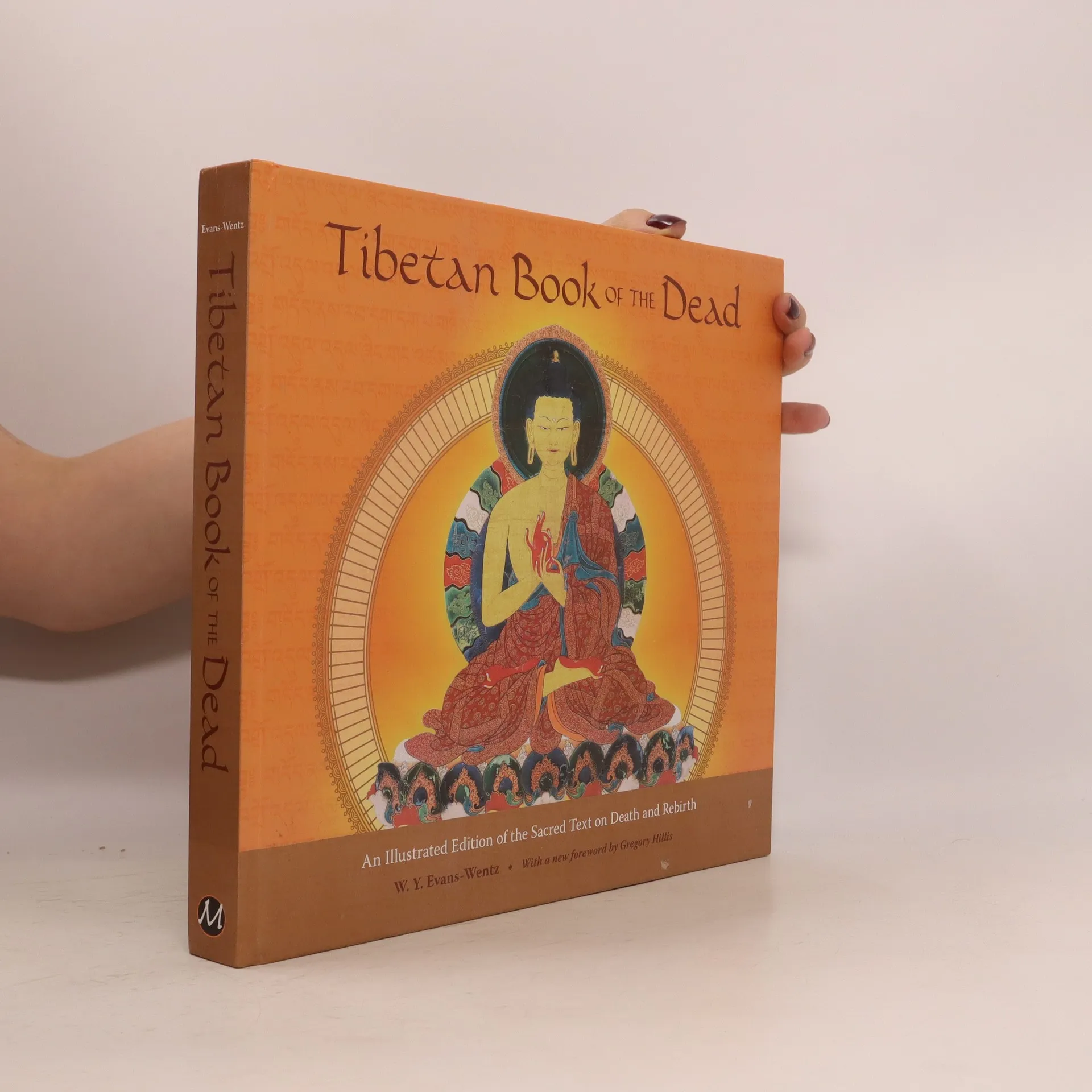
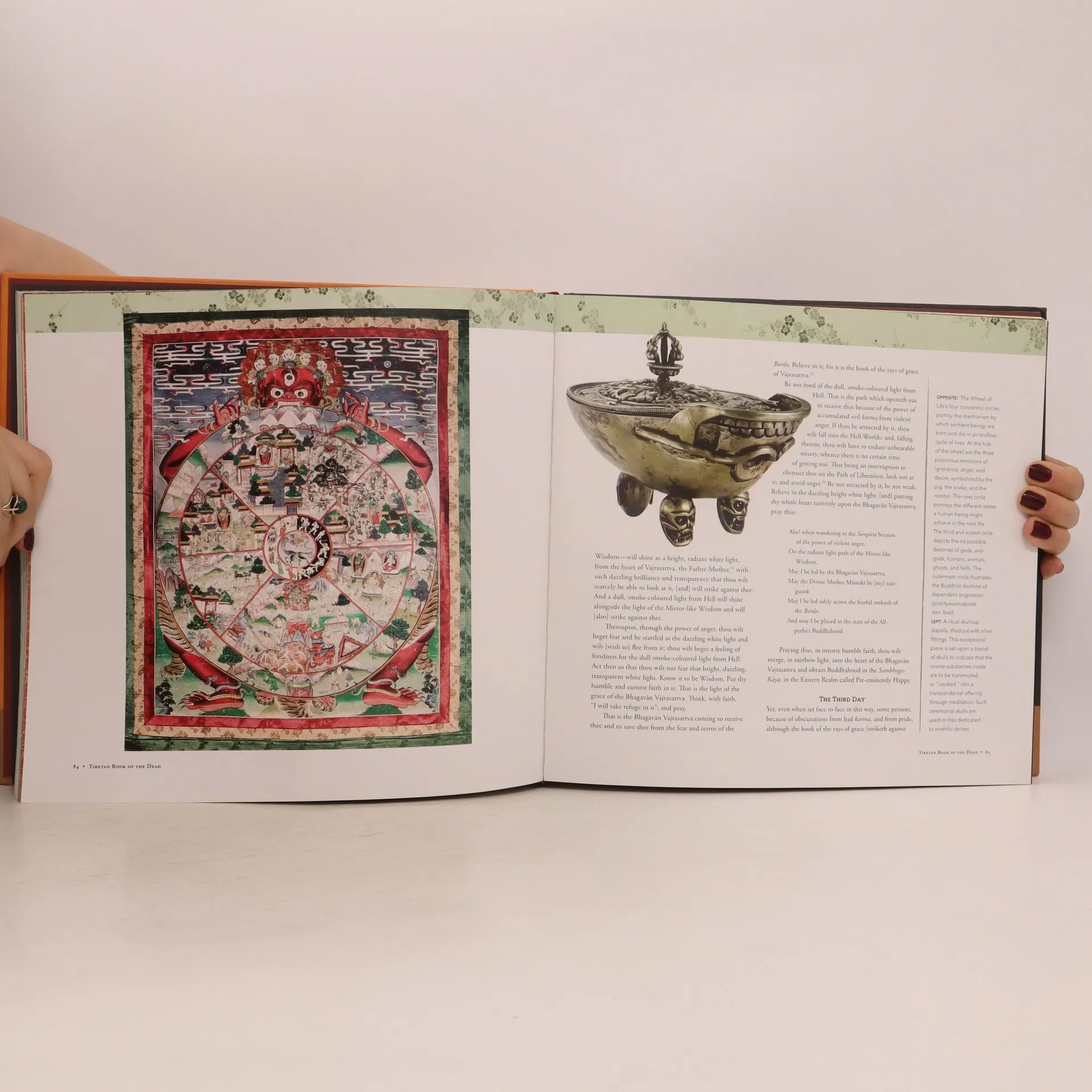
Traditionally read in the presence of a dead or dying person, the Tibetan Book of the Dead has had a profound influence on Western culture—it is arguably the most influential and best known of Tibetan Buddhist writings. The text instructs the recently deceased on how to negotiate the forty-nine day period after death—and before rebirth—a time filled with visions of both serene and terrifying deities. During this “bardo” period, individuals must recognize that these visions are nothing more than the inventions of their own minds. By awakening to this realization, fear can be vanquished. But it is not just a book for the dead; it is also an instruction manual on how to live, and is as relevant today as whenit was written in the eighth century. This edition is lushly illustrated with Buddhist art and images that bring the work dramatically to life.





Nákup knihy
The Tibetan Book of the Dead, Karmagliṅpa
- Jazyk

- Rok vydania
- 1960
- product-detail.submit-box.info.binding
- (pevná)
Platobné metódy
Tu nám chýba tvoja recenzia
- Jazyk
- anglicky
- Autori
- Karmagliṅpa
- Vydavateľ
- Metro Books
- Rok vydania
- 1960
- Väzba
- pevná
- Počet strán
- 228
- ISBN10
- 1435101251
- ISBN13
- 9781435101258
- Série
- Štítky
- Náučná literatúra, Spoločenské vedy, Ezoterika & Náboženstvo, Náboženské témy, Filozofická tematika, Náboženstvo, Spiritualita, Úmrtia, Mytológia, Buddhizmus
- Hodnotenie
- 4,1 z 5
- Anotácia
- Traditionally read in the presence of a dead or dying person, the Tibetan Book of the Dead has had a profound influence on Western culture—it is arguably the most influential and best known of Tibetan Buddhist writings. The text instructs the recently deceased on how to negotiate the forty-nine day period after death—and before rebirth—a time filled with visions of both serene and terrifying deities. During this “bardo” period, individuals must recognize that these visions are nothing more than the inventions of their own minds. By awakening to this realization, fear can be vanquished. But it is not just a book for the dead; it is also an instruction manual on how to live, and is as relevant today as whenit was written in the eighth century. This edition is lushly illustrated with Buddhist art and images that bring the work dramatically to life.