

Parametre
- 295 stránok
- 11 hodin čítania
Viac o knihe
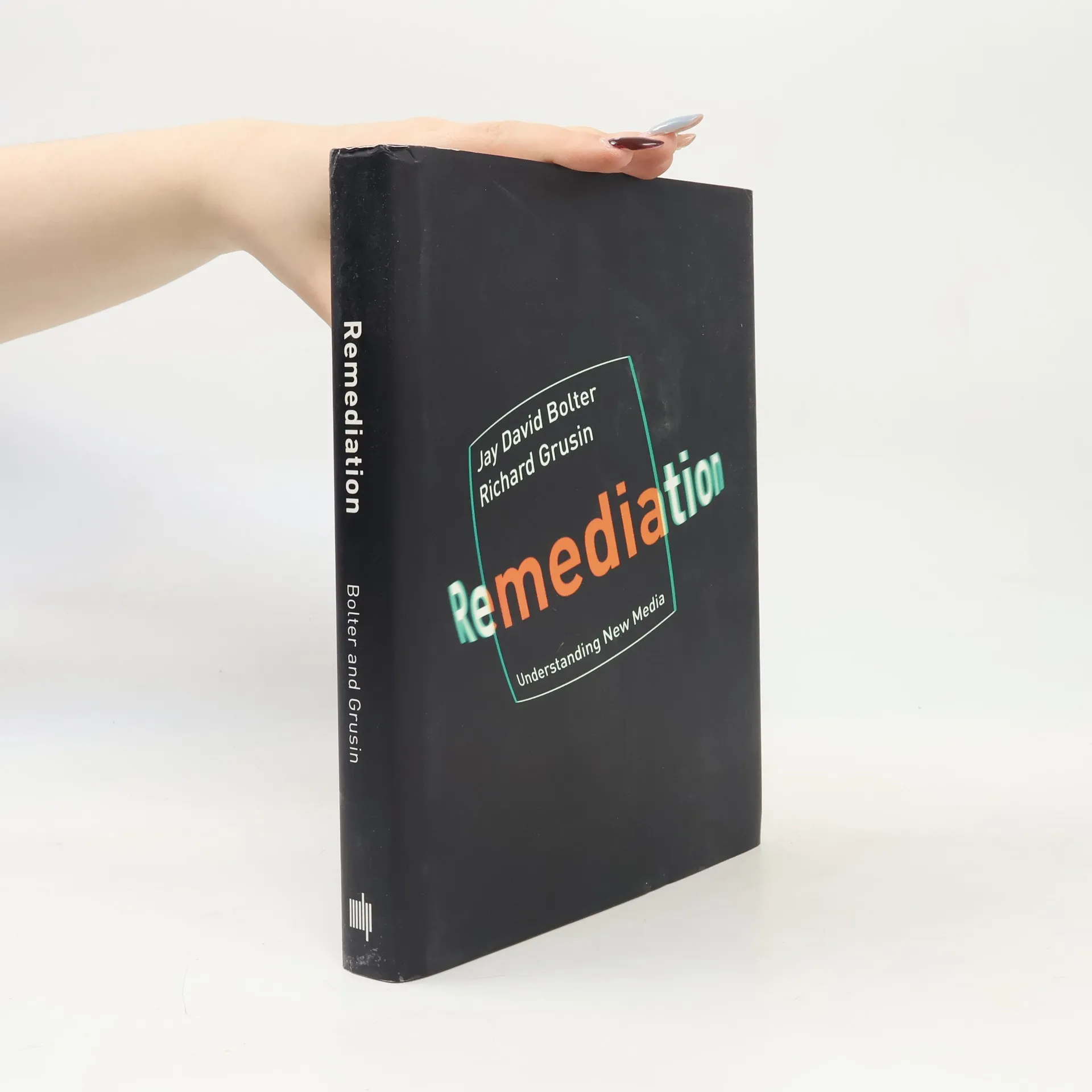
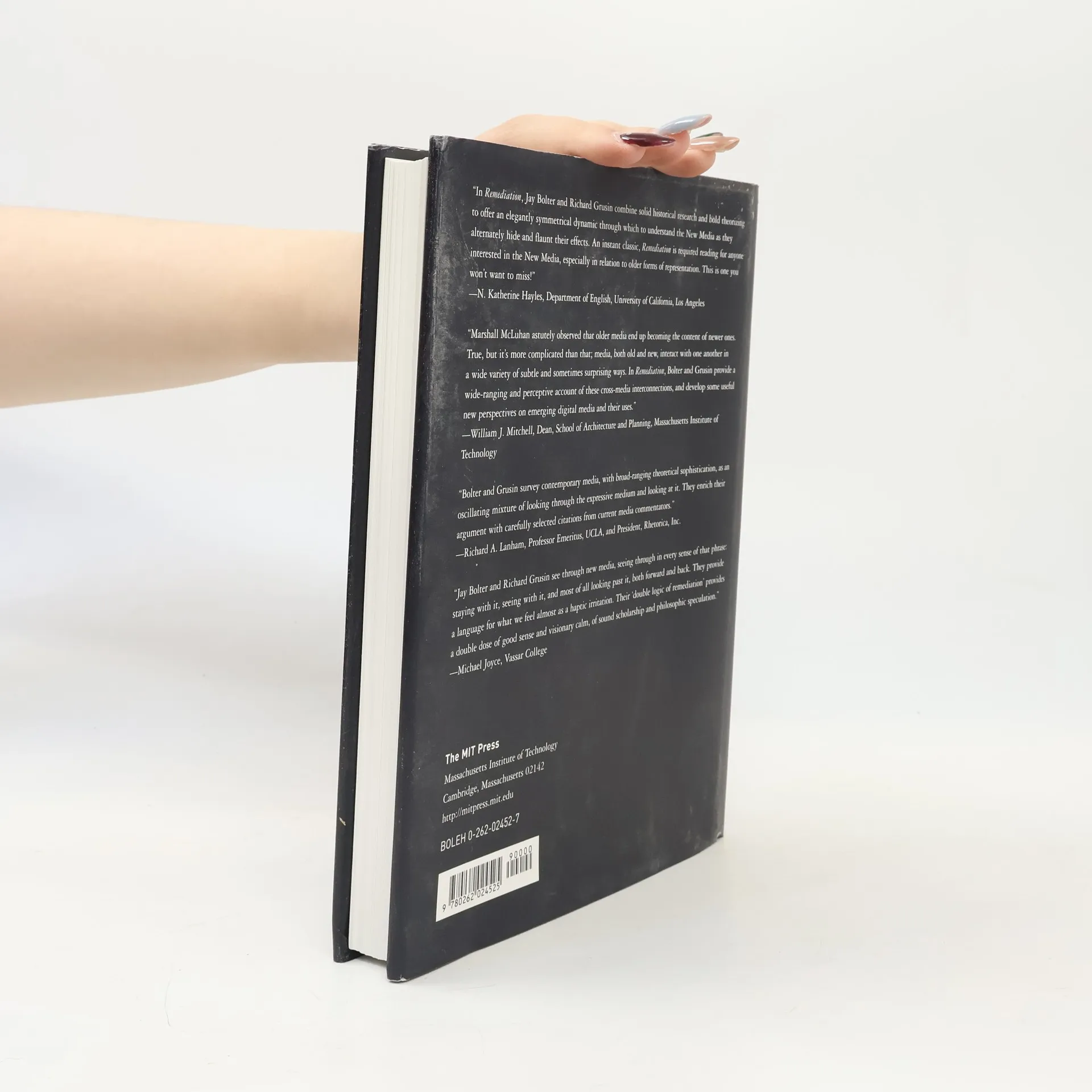
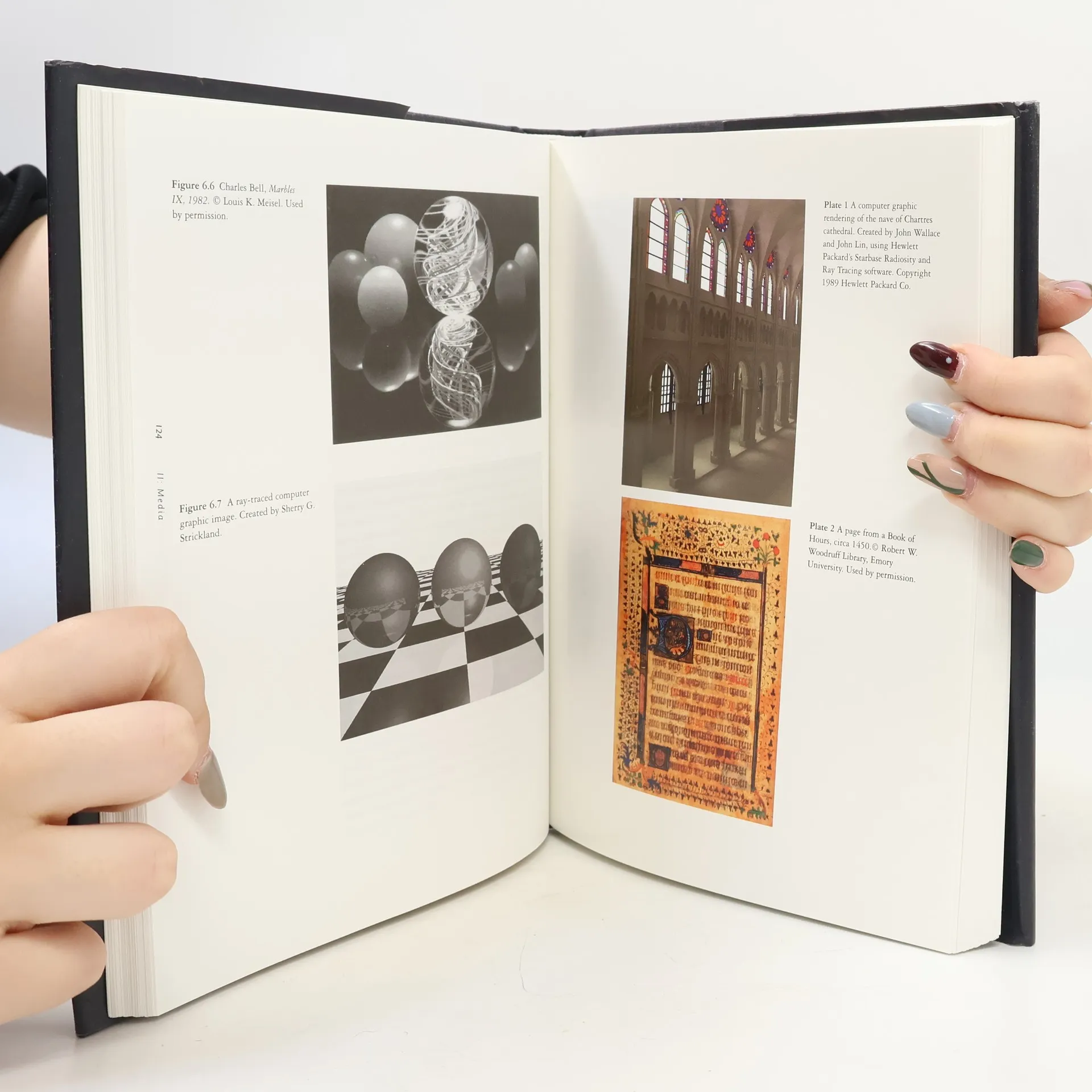
Media critics often embrace the modernist belief that digital technologies like the World Wide Web and virtual reality must break from earlier media to establish new aesthetic and cultural principles. In this richly illustrated study, the authors present a theory of mediation for the digital age that challenges this notion. They contend that new visual media gain cultural significance by honoring, competing with, and transforming earlier forms like perspective painting, photography, film, and television. This transformative process is termed "remediation," which also highlights how earlier media have influenced one another. For instance, photography has remediated painting, while film has drawn from stage production and photography, and television has remediated film, vaudeville, and radio. The authors explore individual media or genres, such as computer games and digital photography, to illustrate remediation and its two main strategies: transparent immediacy and hypermediacy. Each strategy has a complex history. For example, works by artists like Pieter Saenredam and Edward Weston, along with virtual reality systems, strive for transparent immediacy by downplaying the medium's presence. In contrast, medieval illuminated manuscripts and contemporary multimedia applications exemplify hypermediacy, showcasing a fascination with the medium itself. Though these strategies may seem contradictory, they are essential components of


Nákup knihy
Remediation, Jay David Bolter, Richard Grusin
- Jazyk

- Rok vydania
- 1999
- product-detail.submit-box.info.binding
- (pevná),
- Stav knihy
- Poškodená
- Cena
- 7,52 €
Platobné metódy
Tu nám chýba tvoja recenzia
- Titul
- Remediation
- Podtitul
- Understanding New Media
- Jazyk
- anglicky
- Autori
- Jay David Bolter, Richard Grusin
- Vydavateľ
- MIT Press
- Rok vydania
- 1999
- Väzba
- pevná
- Počet strán
- 295
- ISBN10
- 0262024527
- ISBN13
- 9780262024525
- Série
- Štítky
- Náučná literatúra, Umenie & Kultúra, Technológie & Priemysel, Umenie, Technológia, Vedecké teórie, Výskum, Vysoká škola, univerzita
- Hodnotenie
- 3,7 z 5
- Anotácia
- Media critics often embrace the modernist belief that digital technologies like the World Wide Web and virtual reality must break from earlier media to establish new aesthetic and cultural principles. In this richly illustrated study, the authors present a theory of mediation for the digital age that challenges this notion. They contend that new visual media gain cultural significance by honoring, competing with, and transforming earlier forms like perspective painting, photography, film, and television. This transformative process is termed "remediation," which also highlights how earlier media have influenced one another. For instance, photography has remediated painting, while film has drawn from stage production and photography, and television has remediated film, vaudeville, and radio. The authors explore individual media or genres, such as computer games and digital photography, to illustrate remediation and its two main strategies: transparent immediacy and hypermediacy. Each strategy has a complex history. For example, works by artists like Pieter Saenredam and Edward Weston, along with virtual reality systems, strive for transparent immediacy by downplaying the medium's presence. In contrast, medieval illuminated manuscripts and contemporary multimedia applications exemplify hypermediacy, showcasing a fascination with the medium itself. Though these strategies may seem contradictory, they are essential components of