



Viac o knihe
A landmark study of the cinematic history of the Weimar Republic, this classic work was first published in 1947 by Princeton University Press. Siegfried Kracauer, a prominent German film critic and member of an influential intellectual circle, explored the connections between film aesthetics, the psychological state of Germans during the Weimar era, and the evolving social and political realities of the time. Examining German history from 1921 to 1933 through films like The Cabinet of Dr. Caligari, M, Metropolis, and The Blue Angel, Kracauer's pioneering book has remained in print ever since. This beautifully designed new edition reintroduces Kracauer for the twenty-first century, featuring a critical introduction by film scholar Leonardo Quaresima, along with an updated bibliography, index, and corrections to inaccuracies from the first edition. Kracauer's controversial claim that films reveal the unconscious motivations and fantasies of a nation is central to his analysis. He identified visual and narrative tropes in 1920s cinema that expressed fears of chaos and a yearning for order, even at the risk of authoritarianism. Despite critiques of its historical connections, this work remains Kracauer's most influential and a seminal text in film studies.




Nákup knihy
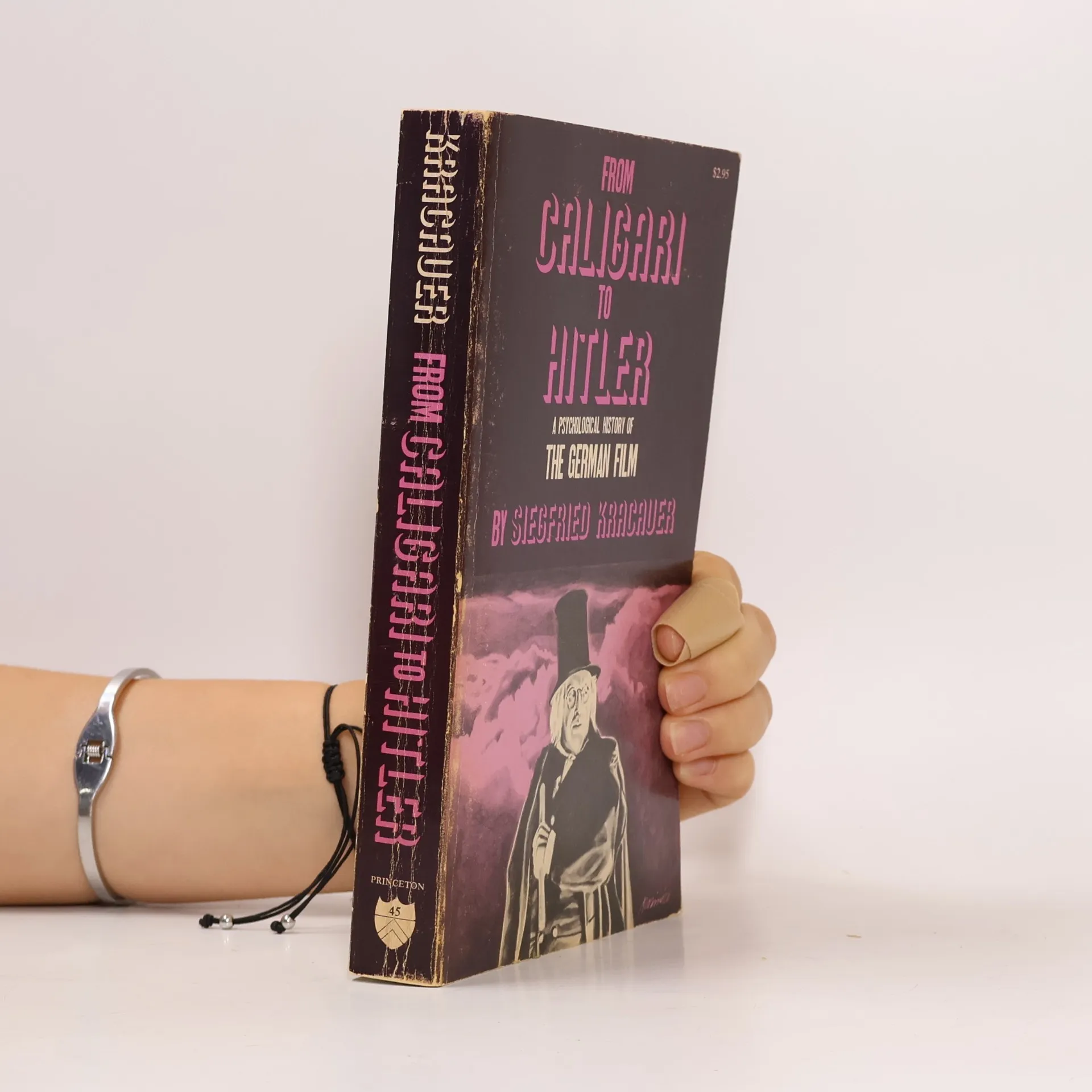
From Caligari to Hitler, Leonardo Quaresima, Siegfried Kracauer
- Jazyk

- Rok vydania
- 1966
- Väzba
- (mäkká)
Tu nám chýba tvoja recenzia
- Titul
- From Caligari to Hitler
- Podtitul
- A Psychological History of the German Film
- Jazyk
- anglicky
- Vydavateľ
- Princeton University Press
- Rok vydania
- 1966
- Väzba
- mäkká
- Počet strán
- 395
- ISBN10
- 0691025053
- ISBN13
- 9780691025056
- Série
- Hodnotenie
- 4 z 5
- Anotácia
- A landmark study of the cinematic history of the Weimar Republic, this classic work was first published in 1947 by Princeton University Press. Siegfried Kracauer, a prominent German film critic and member of an influential intellectual circle, explored the connections between film aesthetics, the psychological state of Germans during the Weimar era, and the evolving social and political realities of the time. Examining German history from 1921 to 1933 through films like The Cabinet of Dr. Caligari, M, Metropolis, and The Blue Angel, Kracauer's pioneering book has remained in print ever since. This beautifully designed new edition reintroduces Kracauer for the twenty-first century, featuring a critical introduction by film scholar Leonardo Quaresima, along with an updated bibliography, index, and corrections to inaccuracies from the first edition. Kracauer's controversial claim that films reveal the unconscious motivations and fantasies of a nation is central to his analysis. He identified visual and narrative tropes in 1920s cinema that expressed fears of chaos and a yearning for order, even at the risk of authoritarianism. Despite critiques of its historical connections, this work remains Kracauer's most influential and a seminal text in film studies.