

Viac o knihe
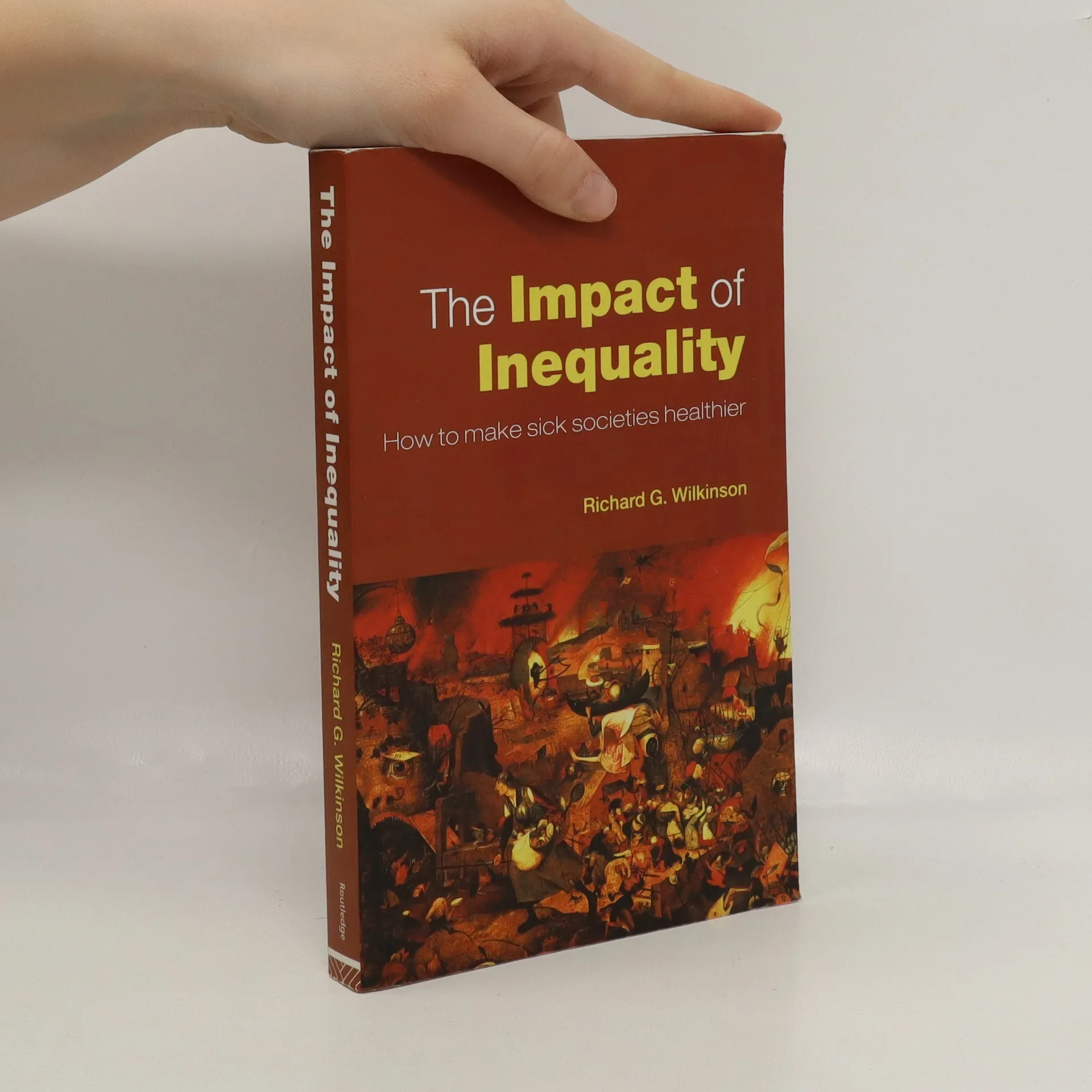
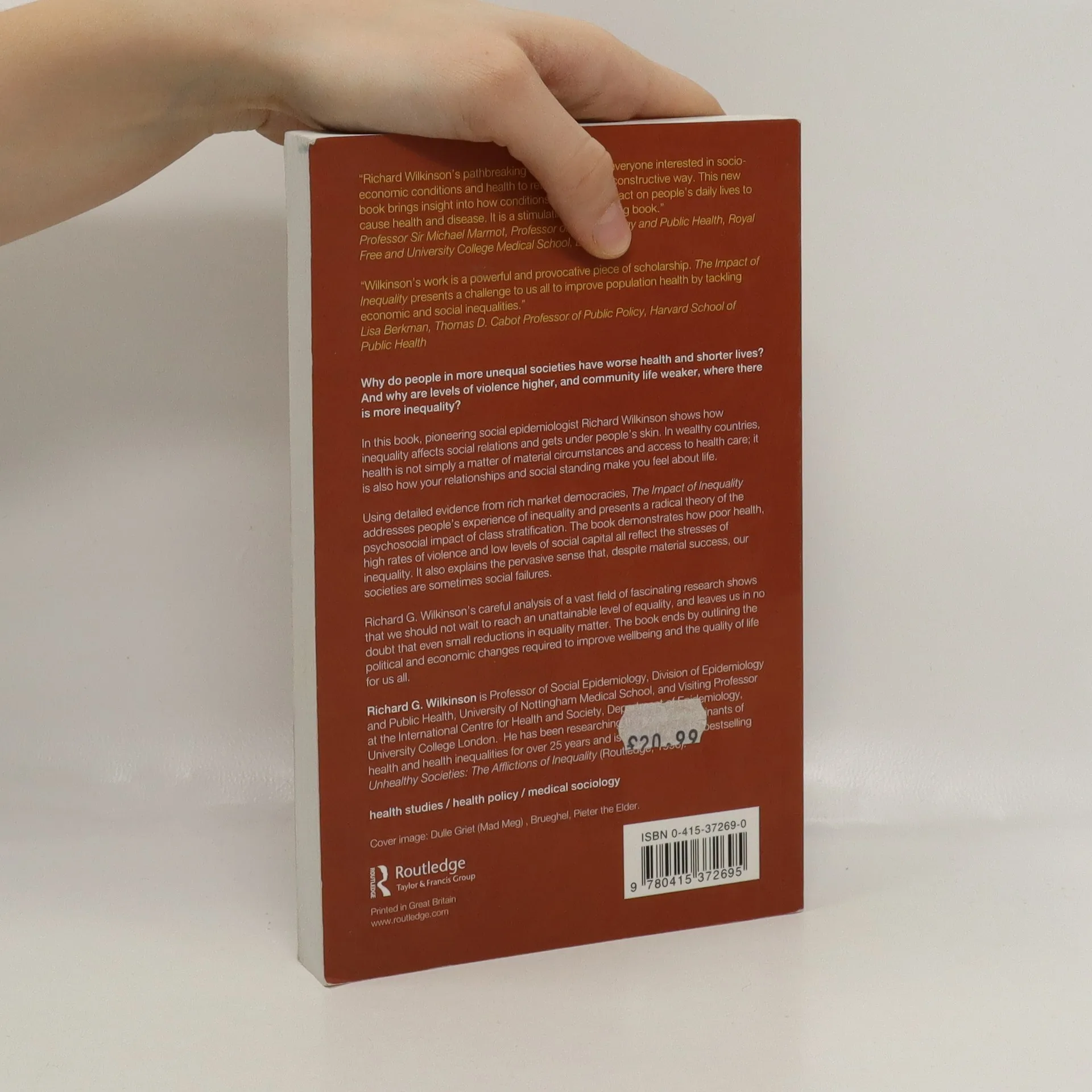
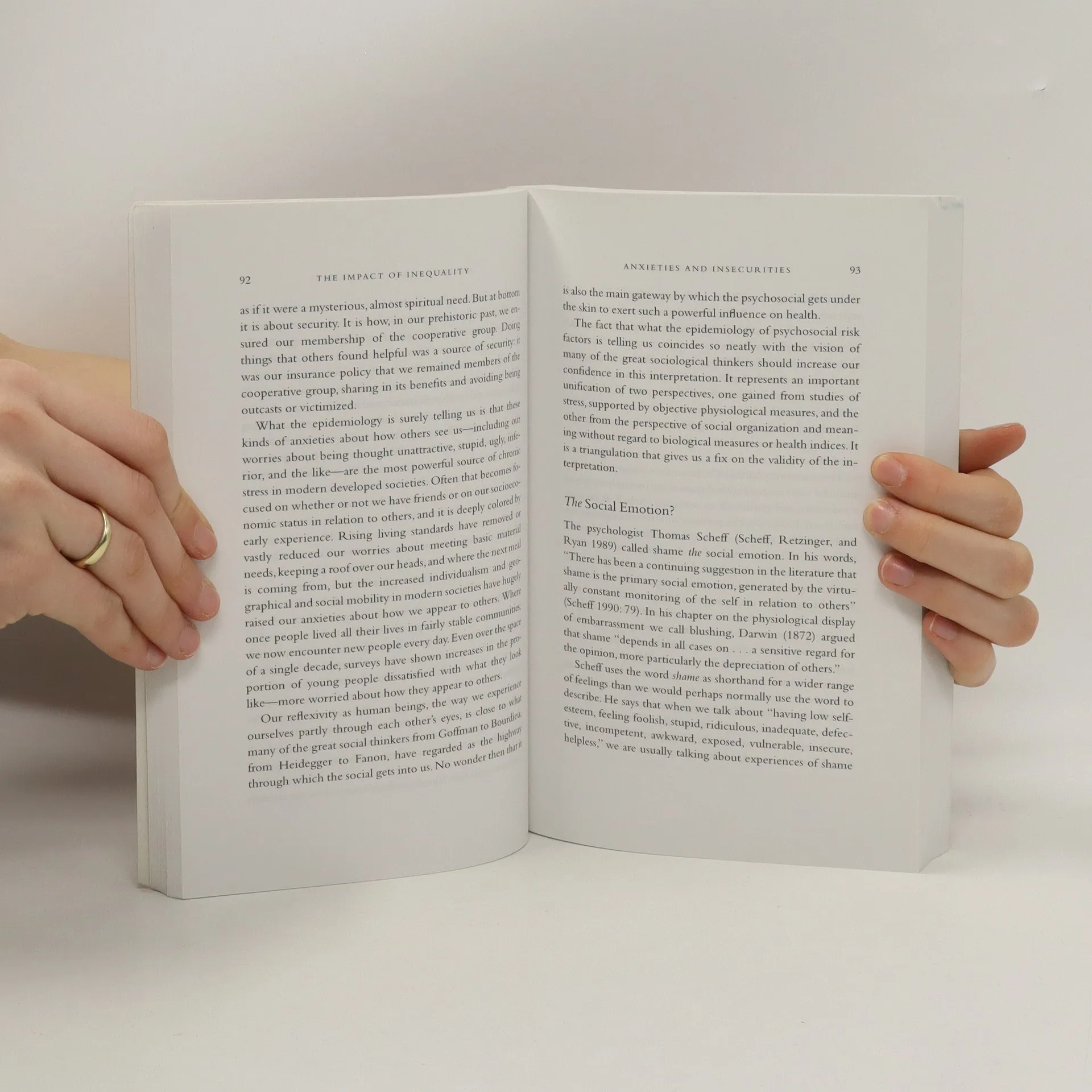
In this book, pioneering social epidemiologist Richard Wilkinson, shows how inequality affects social relations and well-being. In wealthy countries, health is not simply a matter of material circumstances and access to health care; it is also how your relationships and social standing make you feel about life. Using detailed evidence from rich market democracies, the book addresses people's experience of inequality and presents a radical theory of the psychosocial impact of class stratification. The book demonstrates how poor health, high rates of violence and low levels of social capital all reflect the stresses of inequality and explains the pervasive sense that, despite material success, our societies are sometimes social failures. What emerges is a new conception of what it means to say that we are social beings and of how the social structure penetrates our personal lives and relationships.
Nákup knihy
The impact of inequality : how to make sick societies healthier, Richard Wilkinson
- Jazyk

- Rok vydania
- 2005
- Väzba
- (mäkká)
Tu nám chýba tvoja recenzia
- Titul
- The impact of inequality : how to make sick societies healthier
- Jazyk
- anglicky
- Autori
- Richard Wilkinson
- Vydavateľ
- Routledge
- Rok vydania
- 2005
- Väzba
- mäkká
- Počet strán
- 304
- ISBN10
- 0415372690
- ISBN13
- 9780415372695
- Série
- Kategórie
- Štítky
- Byznys, Zdravie & Lekárstvo, Politika, Medicína, Spoločnosť
- Hodnotenie
- 3,8 z 5
- Anotácia
- In this book, pioneering social epidemiologist Richard Wilkinson, shows how inequality affects social relations and well-being. In wealthy countries, health is not simply a matter of material circumstances and access to health care; it is also how your relationships and social standing make you feel about life. Using detailed evidence from rich market democracies, the book addresses people's experience of inequality and presents a radical theory of the psychosocial impact of class stratification. The book demonstrates how poor health, high rates of violence and low levels of social capital all reflect the stresses of inequality and explains the pervasive sense that, despite material success, our societies are sometimes social failures. What emerges is a new conception of what it means to say that we are social beings and of how the social structure penetrates our personal lives and relationships.