

Viac o knihe
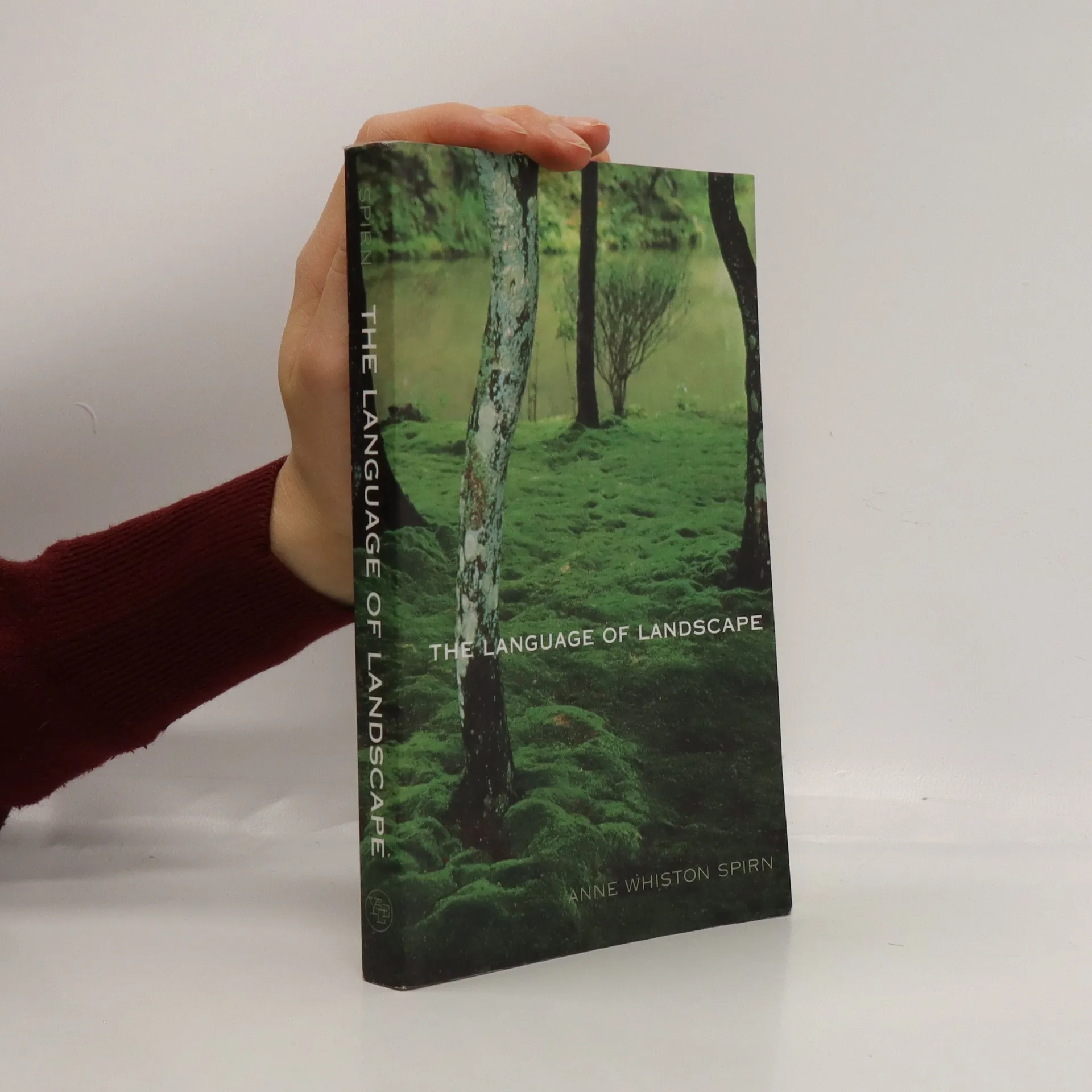
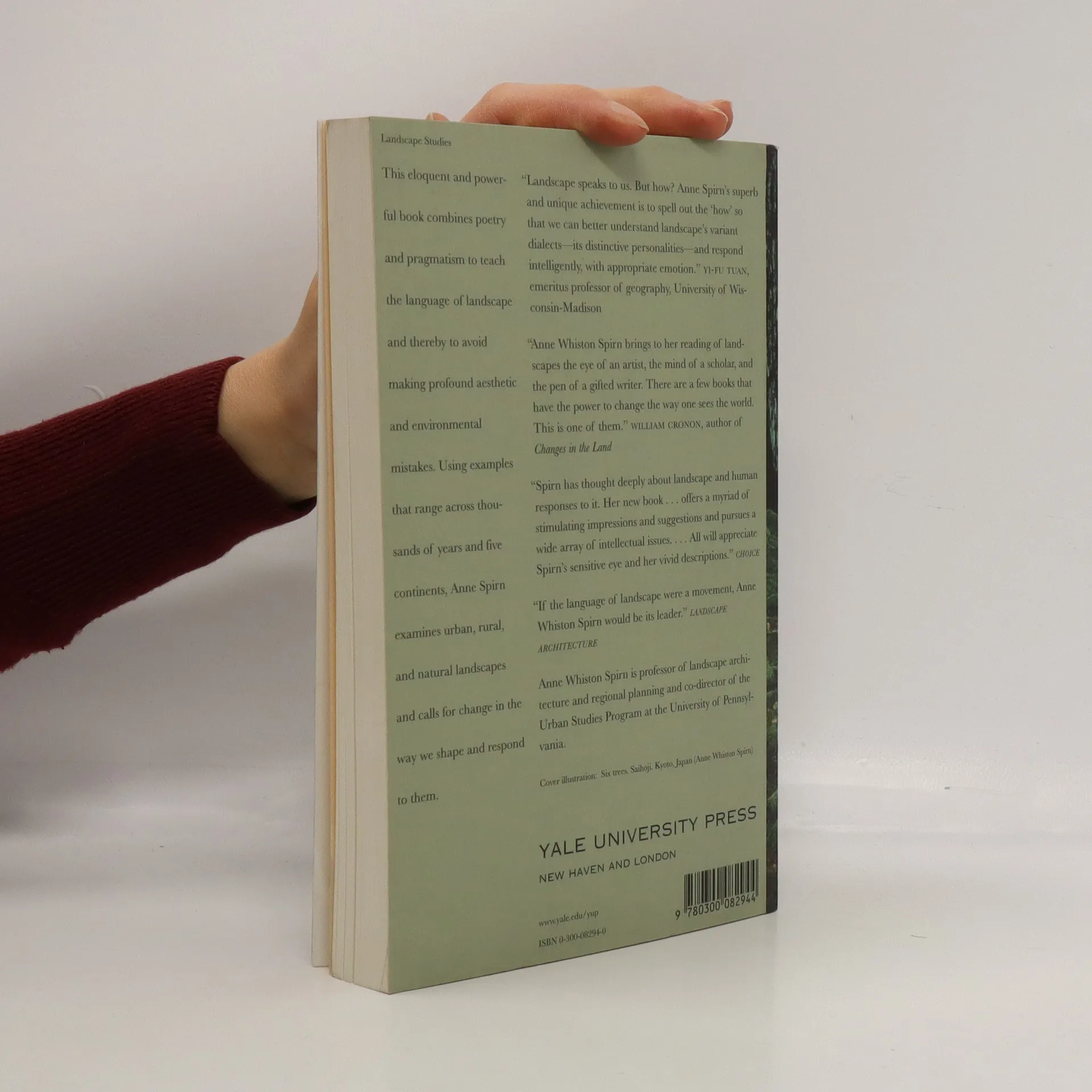
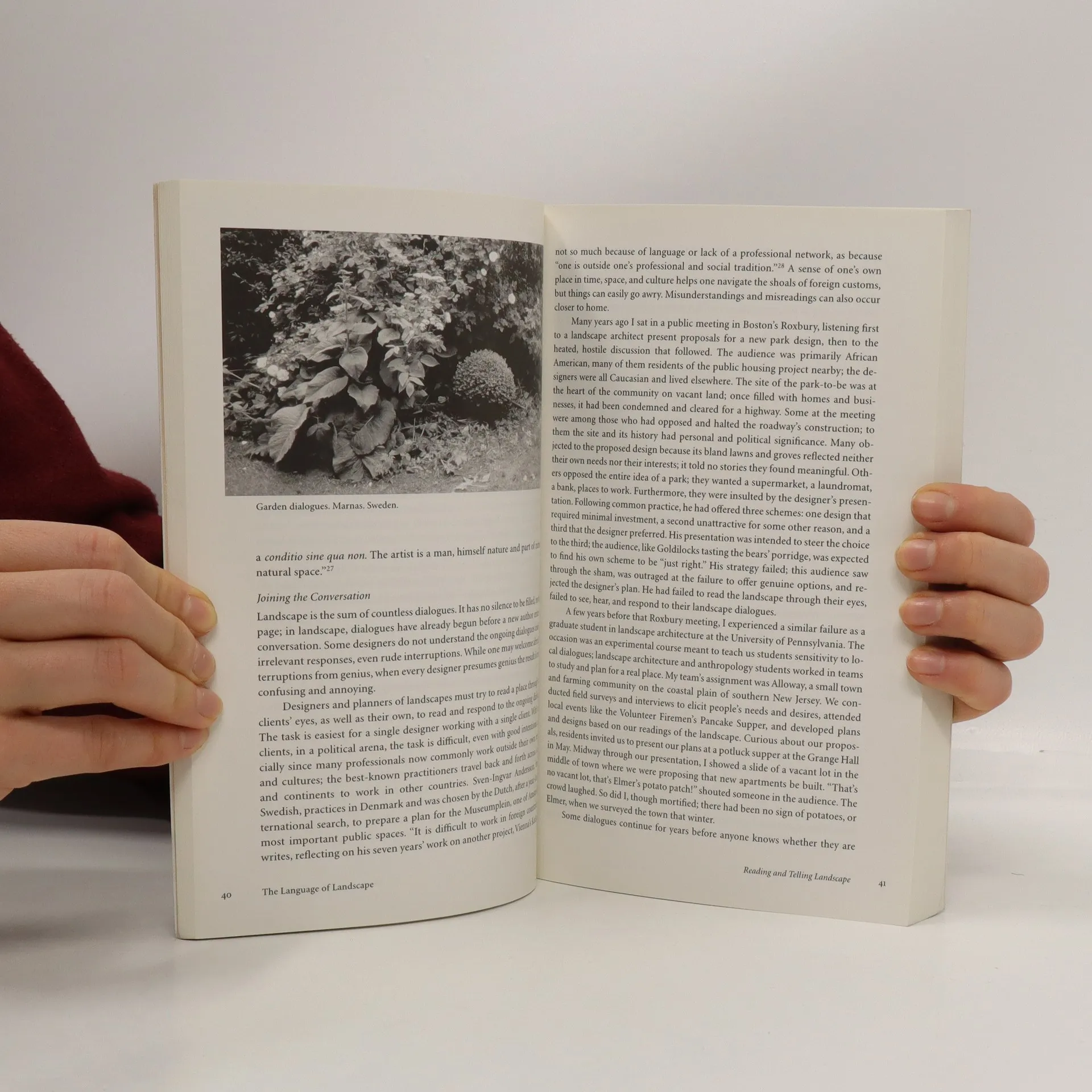
This eloquent and powerful book combines poetry and pragmatism to teach the language of landscape. The author argues that this language has its own syntax, grammar, and metaphors, and that failing to learn it endangers us. Understanding the meanings of our habitat allows us to see the world differently and helps us avoid significant aesthetic and environmental mistakes. Drawing on examples from thousands of years and five continents, the author examines urban, rural, and natural landscapes. She discusses the thoughts of renowned landscape authors such as Thomas Jefferson, Frank Lloyd Wright, and Frederick Law Olmsted, alongside lesser-known pioneers like Glenn Murcutt and C. Th. Sørensen. The author highlights how great landscape designers use the language of landscape fluently, masterfully, and sometimes cynically. Through a probing analysis, she reveals that one person's ideal landscape may be another's nightmare, illustrating that Utopian landscapes can have dark aspects. The author warns of the dangers in losing the connection between a place and our understanding of it, advocating for a change in how we shape our environment, emphasizing nature as a set of ideas and landscape as the expression of actions and ideas in place.
Nákup knihy
The language of landscape, Anne Whiston Spirn
- Jazyk

- Rok vydania
- 1998
- Väzba
- (mäkká)
Doručenie
Platobné metódy
Tu nám chýba tvoja recenzia
- Titul
- The language of landscape
- Jazyk
- anglicky
- Autori
- Anne Whiston Spirn
- Vydavateľ
- Yale University Press
- Rok vydania
- 1998
- Väzba
- mäkká
- Počet strán
- 336
- ISBN10
- 0300082940
- ISBN13
- 9780300082944
- Série
- Hodnotenie
- 4 z 5
- Anotácia
- This eloquent and powerful book combines poetry and pragmatism to teach the language of landscape. The author argues that this language has its own syntax, grammar, and metaphors, and that failing to learn it endangers us. Understanding the meanings of our habitat allows us to see the world differently and helps us avoid significant aesthetic and environmental mistakes. Drawing on examples from thousands of years and five continents, the author examines urban, rural, and natural landscapes. She discusses the thoughts of renowned landscape authors such as Thomas Jefferson, Frank Lloyd Wright, and Frederick Law Olmsted, alongside lesser-known pioneers like Glenn Murcutt and C. Th. Sørensen. The author highlights how great landscape designers use the language of landscape fluently, masterfully, and sometimes cynically. Through a probing analysis, she reveals that one person's ideal landscape may be another's nightmare, illustrating that Utopian landscapes can have dark aspects. The author warns of the dangers in losing the connection between a place and our understanding of it, advocating for a change in how we shape our environment, emphasizing nature as a set of ideas and landscape as the expression of actions and ideas in place.