




Parametre
- 400 stránok
- 14 hodin čítania
Viac o knihe
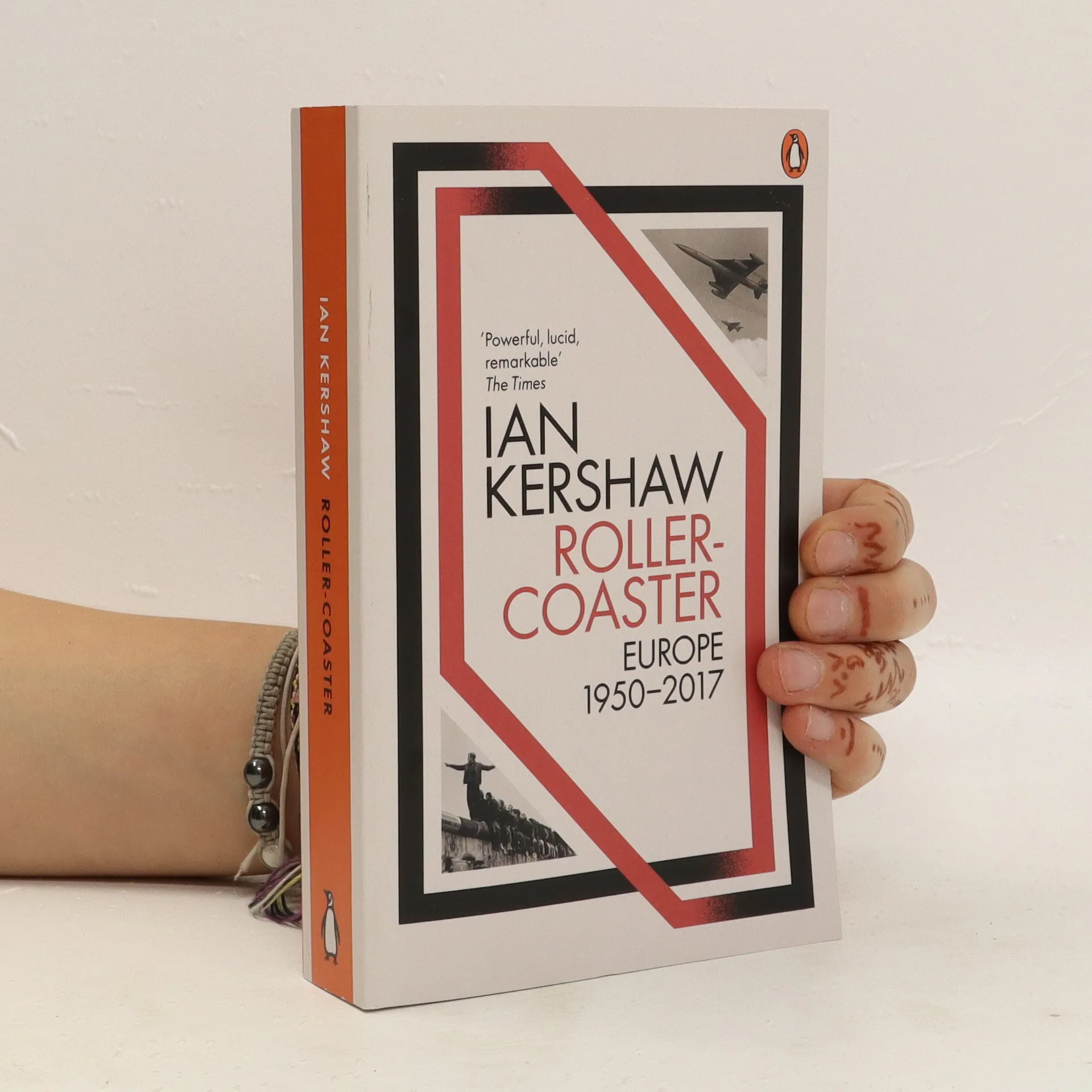
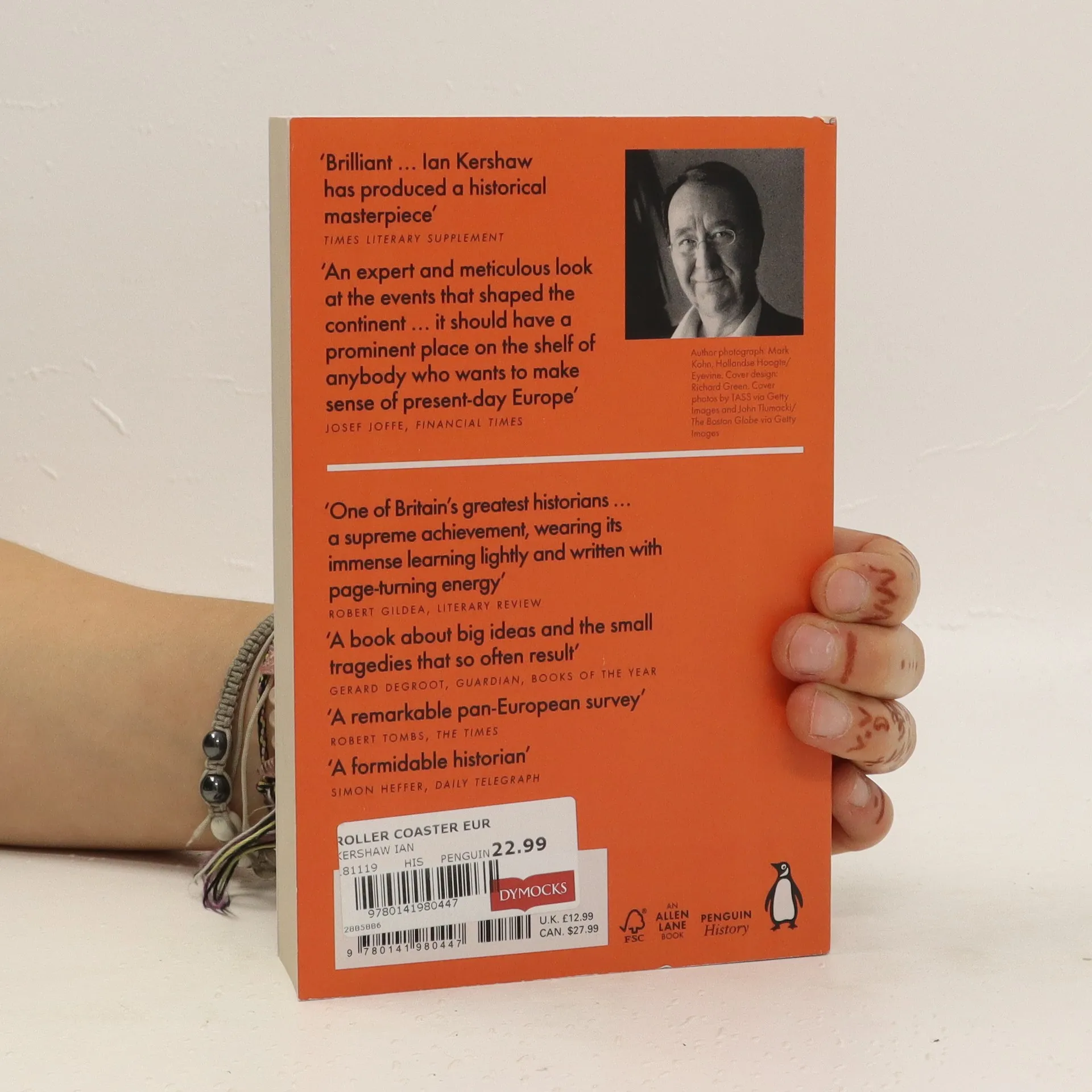
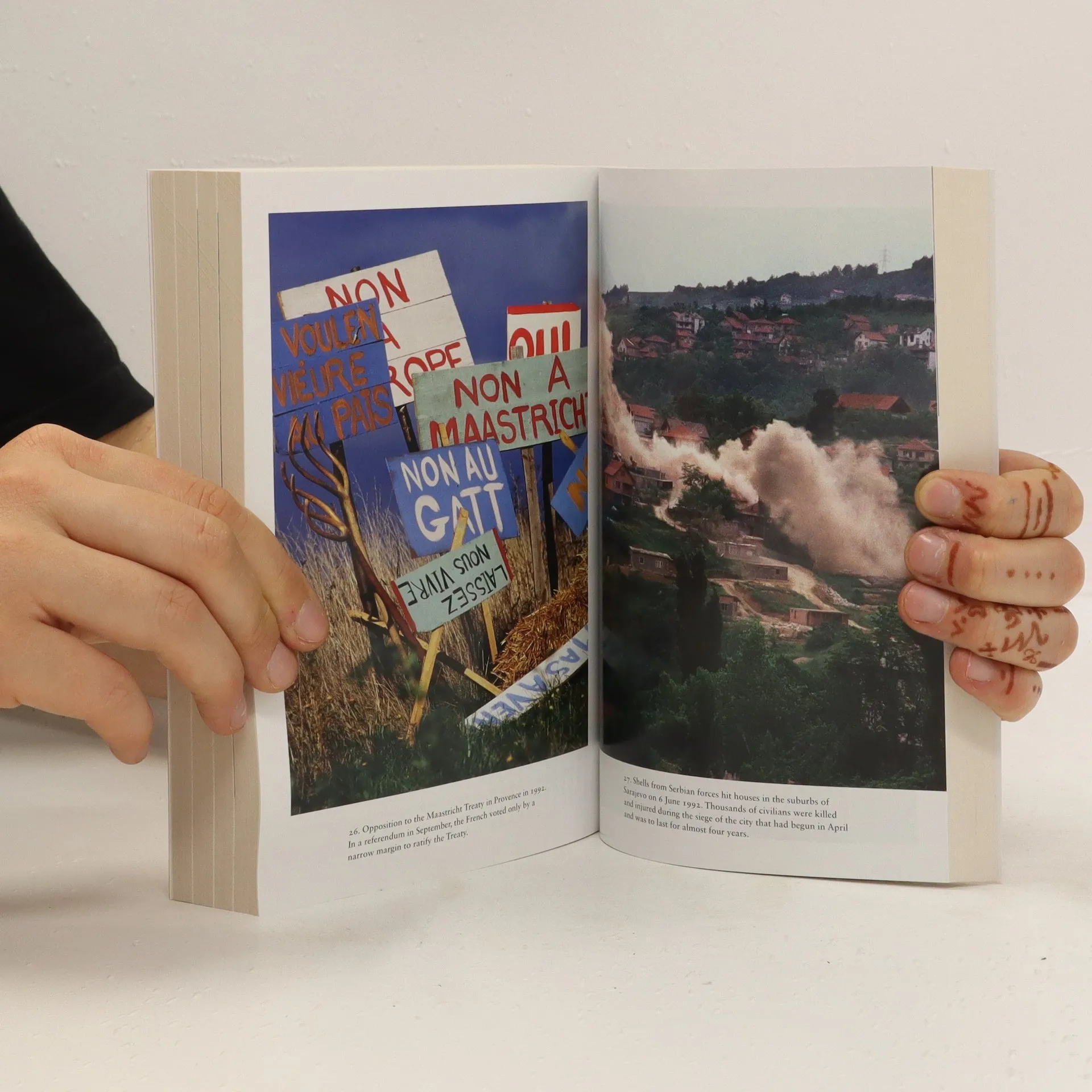
After the overwhelming horrors of the first half of the 20th century, the years from 1950 to 2017 brought peace and relative prosperity to most of Europe. Enormous economic improvements transformed the continent, while the catastrophic era of the world wars receded into the past, though its long shadow continued to shape mentalities. Europe became a divided continent, living under the nuclear threat, marked by intermittent anxiety. Europeans experienced a 'roller-coaster ride' of events that threatened disaster, often feeling powerless as the USA and USSR dictated their fates during the Cold War. There were notable successes, such as the dissolution of the Soviet bloc, the fall of dictatorships, and the reunification of Germany. However, accelerating globalization introduced new vulnerabilities. The impact of interlocking crises after 2008 served as a stark reminder that peace and stability were not guaranteed. In this remarkable work, the author presents a grand panorama of contemporary Europe and its historical roots, drawing on examples from across the continent. This exploration encourages a reevaluation of Europe and the essence of being European.




Nákup knihy
Roller-Coaster : Europe, 1950-2017, Ian Kershaw
- Jazyk

- Rok vydania
- 2019
- product-detail.submit-box.info.binding
- (mäkká)
Platobné metódy
Tu nám chýba tvoja recenzia
- Jazyk
- anglicky
- Autori
- Ian Kershaw
- Vydavateľ
- Penguin Books
- Rok vydania
- 2019
- Väzba
- mäkká
- Počet strán
- 400
- ISBN10
- 0141980443
- ISBN13
- 9780141980447
- Série
- Štítky
- Náučná literatúra, Spoločenské vedy, Historické téma, História, Politológia & Politika, Politika, 20. storočie, Darčeky pre dedka, Európa, Dejiny Európy, 21. storočie, Povojnove obdobie, Studená vojna, 20.-21. storočie
- Prvé vydanie
- 2018
- Pôvodný názov
- Roller-Coaster: Europe, 1950-2017
- Hodnotenie
- 4,05 z 5
- Anotácia
- After the overwhelming horrors of the first half of the 20th century, the years from 1950 to 2017 brought peace and relative prosperity to most of Europe. Enormous economic improvements transformed the continent, while the catastrophic era of the world wars receded into the past, though its long shadow continued to shape mentalities. Europe became a divided continent, living under the nuclear threat, marked by intermittent anxiety. Europeans experienced a 'roller-coaster ride' of events that threatened disaster, often feeling powerless as the USA and USSR dictated their fates during the Cold War. There were notable successes, such as the dissolution of the Soviet bloc, the fall of dictatorships, and the reunification of Germany. However, accelerating globalization introduced new vulnerabilities. The impact of interlocking crises after 2008 served as a stark reminder that peace and stability were not guaranteed. In this remarkable work, the author presents a grand panorama of contemporary Europe and its historical roots, drawing on examples from across the continent. This exploration encourages a reevaluation of Europe and the essence of being European.