

Viac o knihe
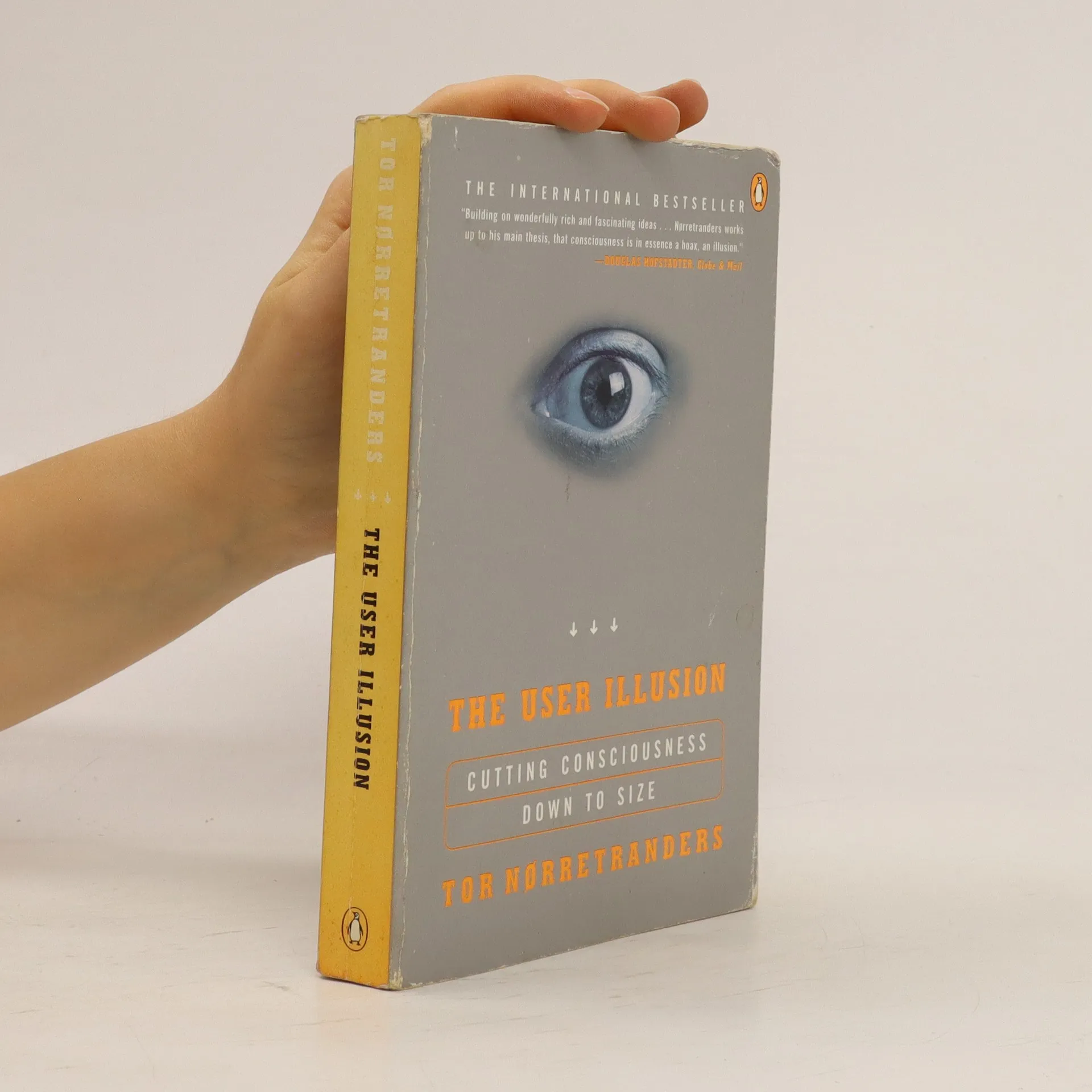
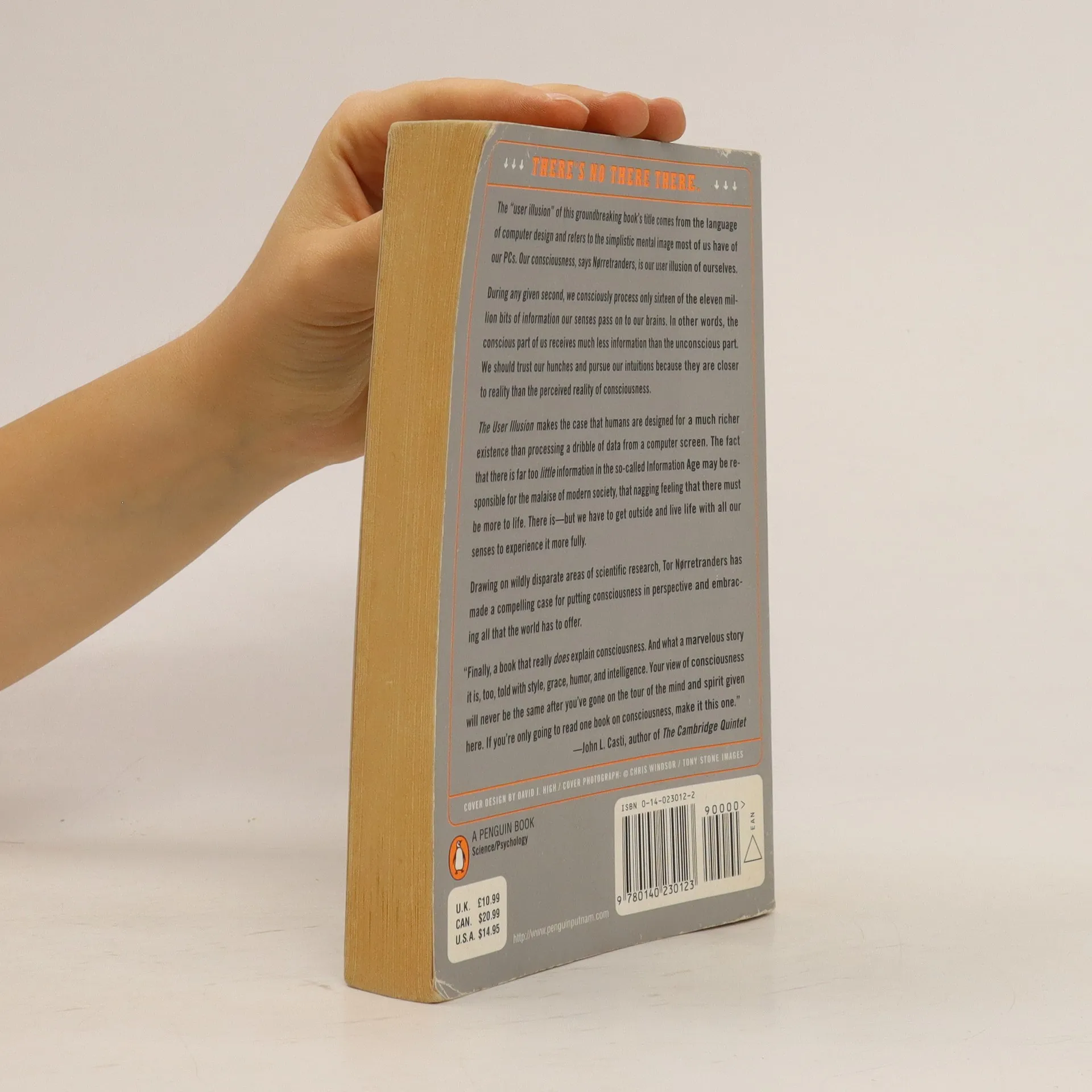
As John Casti wrote, "Finally, a book that really does explain consciousness." This groundbreaking work by Denmark's leading science writer draws on psychology, evolutionary biology, information theory, and other disciplines to argue its revolutionary point: that consciousness represents only an infinitesimal fraction of our ability to process information. Although we are unaware of it, our brains sift through and discard billions of pieces of data in order to allow us to understand the world around us. In fact, most of what we call thought is actually the unconscious discarding of information. What our consciousness rejects constitutes the most valuable part of ourselves, the "Me" that the "I" draws on for most of our actions--fluent speech, riding a bicycle, anything involving expertise. No wonder that, in this age of information, so many of us feel empty and dissatisfied. As engaging as it is insightful, this important book encourages us to rely more on what our instincts and our senses tell us so that we can better appreciate the richness of human life.




Nákup knihy
The User Illusion, Tor Nørretranders
- Jazyk

- Rok vydania
- 1999
- Väzba
- (mäkká)
Platobné metódy
Tu nám chýba tvoja recenzia
- Titul
- The User Illusion
- Jazyk
- anglicky
- Autori
- Tor Nørretranders
- Vydavateľ
- Penguin
- Rok vydania
- 1999
- Väzba
- mäkká
- Počet strán
- 480
- ISBN10
- 0140230122
- ISBN13
- 9780140230123
- Série
- Štítky
- Náučná literatúra, Spoločenské vedy, Veda & Matematika, Prírodné vedy, Psychologická tematika, Filozofická tematika, Psychológia, Filozofia, Biológia, Veda, Fyzika, Neuroveda
- Hodnotenie
- 4,35 z 5
- Anotácia
- As John Casti wrote, "Finally, a book that really does explain consciousness." This groundbreaking work by Denmark's leading science writer draws on psychology, evolutionary biology, information theory, and other disciplines to argue its revolutionary point: that consciousness represents only an infinitesimal fraction of our ability to process information. Although we are unaware of it, our brains sift through and discard billions of pieces of data in order to allow us to understand the world around us. In fact, most of what we call thought is actually the unconscious discarding of information. What our consciousness rejects constitutes the most valuable part of ourselves, the "Me" that the "I" draws on for most of our actions--fluent speech, riding a bicycle, anything involving expertise. No wonder that, in this age of information, so many of us feel empty and dissatisfied. As engaging as it is insightful, this important book encourages us to rely more on what our instincts and our senses tell us so that we can better appreciate the richness of human life.