


Viac o knihe
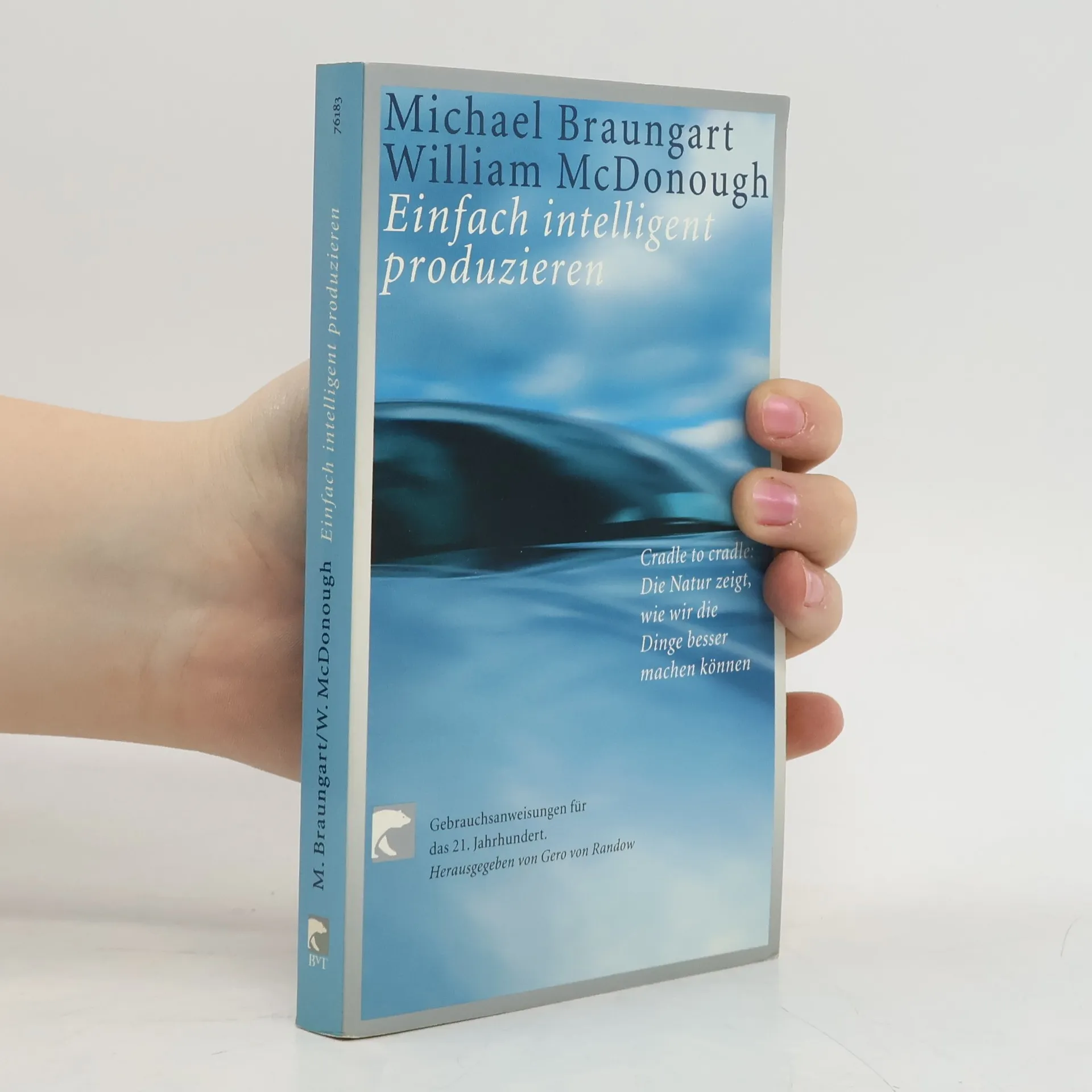
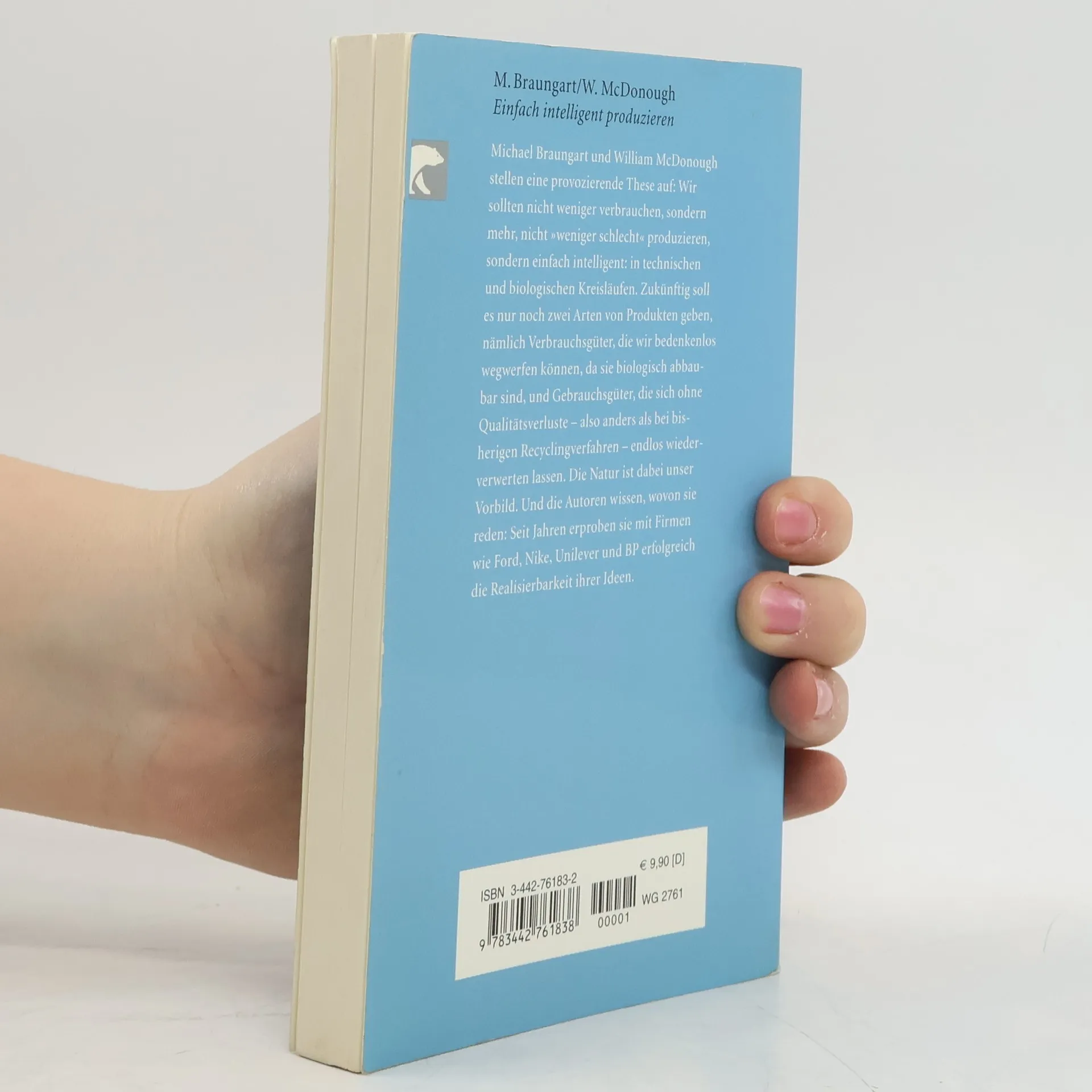
"Reduce, reuse, recycle," say environmentalists, advocating for minimal damage to the planet. However, architects William McDonough and chemist Michael Braungart argue that this mindset merely sustains the outdated "cradle to grave" manufacturing model established during the Industrial Revolution, which generates excessive waste and pollution. They challenge the notion that human industry must harm nature, suggesting instead that we should emulate natural processes. For example, a tree produces numerous blossoms to create another tree, showcasing abundance as safe and effective rather than wasteful. Their guiding principle, "waste equals food," posits that products can be designed to nourish new life after their usefulness ends. These can be "biological nutrients" that re-enter ecosystems without introducing toxins or "technical nutrients" that circulate in closed-loop industrial cycles, avoiding the pitfalls of downcycling. Drawing from their extensive experience in redesigning various products and environments, McDonough and Braungart present a compelling case for eco-effectiveness, encouraging anyone involved in production to adopt these principles and practices.




Nákup knihy
Einfach intelligent produzieren, Michael Braungart, McDonough William K., Gero von Randow
- Jazyk

- Rok vydania
- 2003
- Väzba
- (mäkká)
Platobné metódy
Tu nám chýba tvoja recenzia
- Jazyk
- nemecky
- Vydavateľ
- Berliner Taschenbuch-Verl
- Rok vydania
- 2003
- Väzba
- mäkká
- Počet strán
- 236
- ISBN10
- 3442761832
- ISBN13
- 9783442761838
- Série
- Štítky
- Náučná literatúra, Umenie & Kultúra, Byznys, Biznis & Manažment, Veda & Matematika, Architektúra, Architektúra & Urbanizmus, Ekologická tematika, Ekológia, Udržateľnosť
- Hodnotenie
- 4,1 z 5
- Anotácia
- "Reduce, reuse, recycle," say environmentalists, advocating for minimal damage to the planet. However, architects William McDonough and chemist Michael Braungart argue that this mindset merely sustains the outdated "cradle to grave" manufacturing model established during the Industrial Revolution, which generates excessive waste and pollution. They challenge the notion that human industry must harm nature, suggesting instead that we should emulate natural processes. For example, a tree produces numerous blossoms to create another tree, showcasing abundance as safe and effective rather than wasteful. Their guiding principle, "waste equals food," posits that products can be designed to nourish new life after their usefulness ends. These can be "biological nutrients" that re-enter ecosystems without introducing toxins or "technical nutrients" that circulate in closed-loop industrial cycles, avoiding the pitfalls of downcycling. Drawing from their extensive experience in redesigning various products and environments, McDonough and Braungart present a compelling case for eco-effectiveness, encouraging anyone involved in production to adopt these principles and practices.