

Viac o knihe
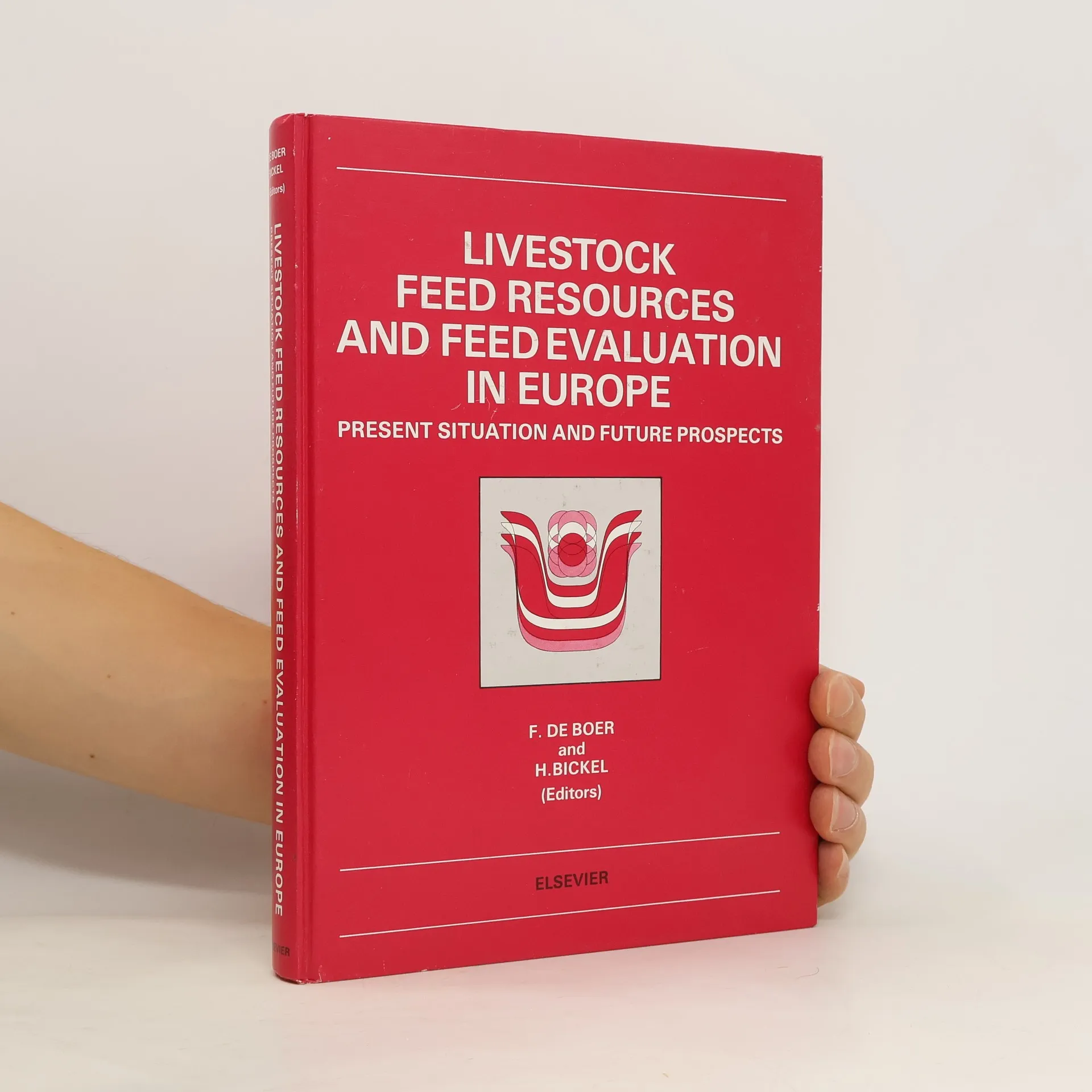
This book contains quantitative, statistical information about feed production in Europe as well as qualitative, scientific information about the feeds produced and their utilization. After a general introduction illustrating the impact of livestock production on food production (and also on society), the first part of the book describes feed production and by-product utilization. In the second part, feed evaluation and nutritional requirements of various types of livestock in various energy and protein systems are described together with their similarities and discrepancies. The book also presents a model (FUM) which provides for a more uniform and consistent collection of national feed resource data. A general summary concludes the book. The volume will be a useful reference for research and educational organisations and institutes, feed- and feed technology industries, agricultural organisations and relevant ministry departments.
Nákup knihy
Livestock Feed Resources and Feed Evaluation in Europe, Hans Bickel, F. de Boer
- Jazyk

- Rok vydania
- 1988
- Väzba
- (pevná)
Nikto zatiaľ neohodnotil.
- Titul
- Livestock Feed Resources and Feed Evaluation in Europe
- Jazyk
- anglicky
- Autori
- Hans Bickel, F. de Boer
- Vydavateľ
- Elsevier
- Rok vydania
- 1988
- Väzba
- pevná
- Počet strán
- 408
- ISBN10
- 0444429964
- ISBN13
- 9780444429964
- Série
- Kategórie
- Anotácia
- This book contains quantitative, statistical information about feed production in Europe as well as qualitative, scientific information about the feeds produced and their utilization. After a general introduction illustrating the impact of livestock production on food production (and also on society), the first part of the book describes feed production and by-product utilization. In the second part, feed evaluation and nutritional requirements of various types of livestock in various energy and protein systems are described together with their similarities and discrepancies. The book also presents a model (FUM) which provides for a more uniform and consistent collection of national feed resource data. A general summary concludes the book. The volume will be a useful reference for research and educational organisations and institutes, feed- and feed technology industries, agricultural organisations and relevant ministry departments.