Bookbot

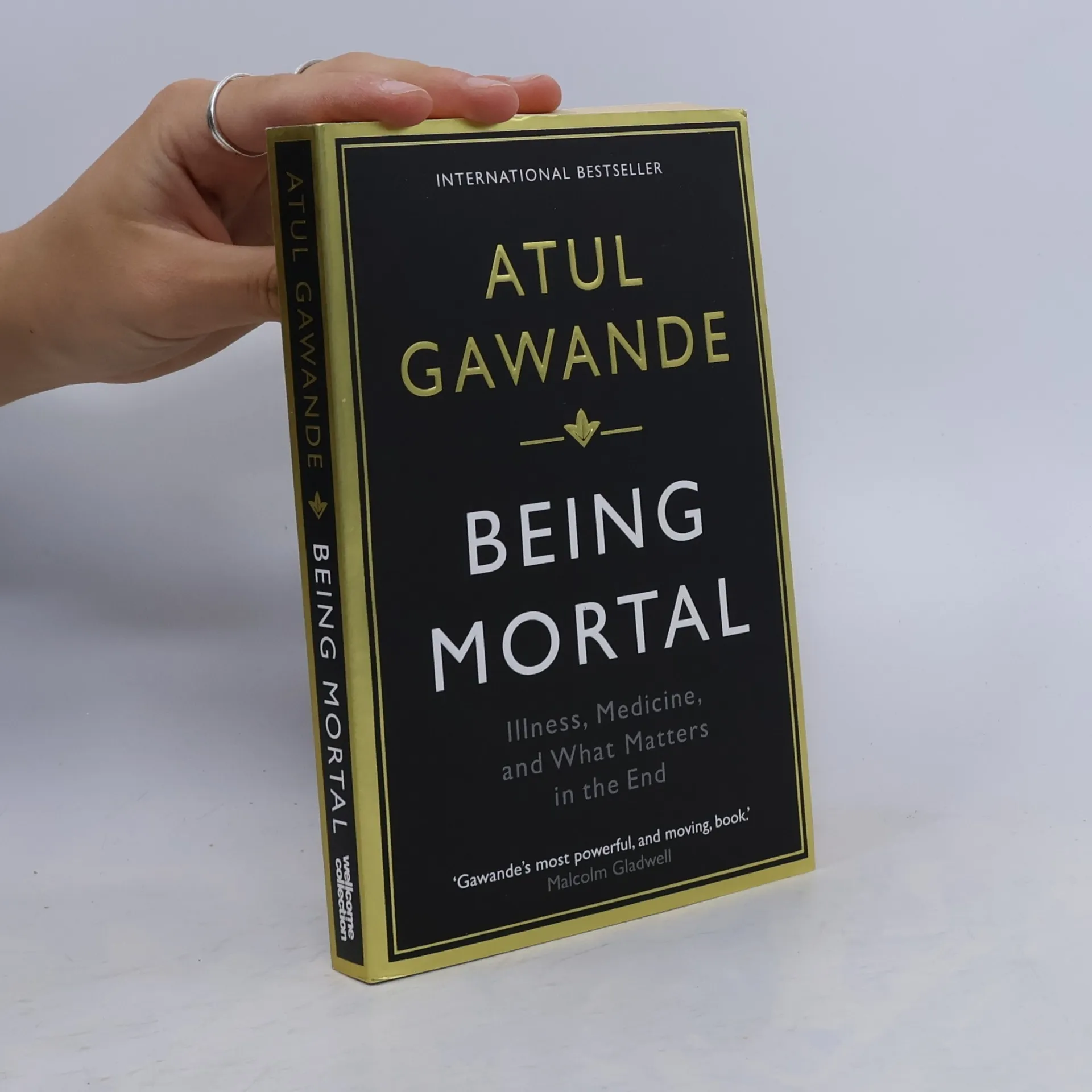
Being Mortal

Medicine and What Matters in the End

Hodnotenie knihy

Viac o knihe

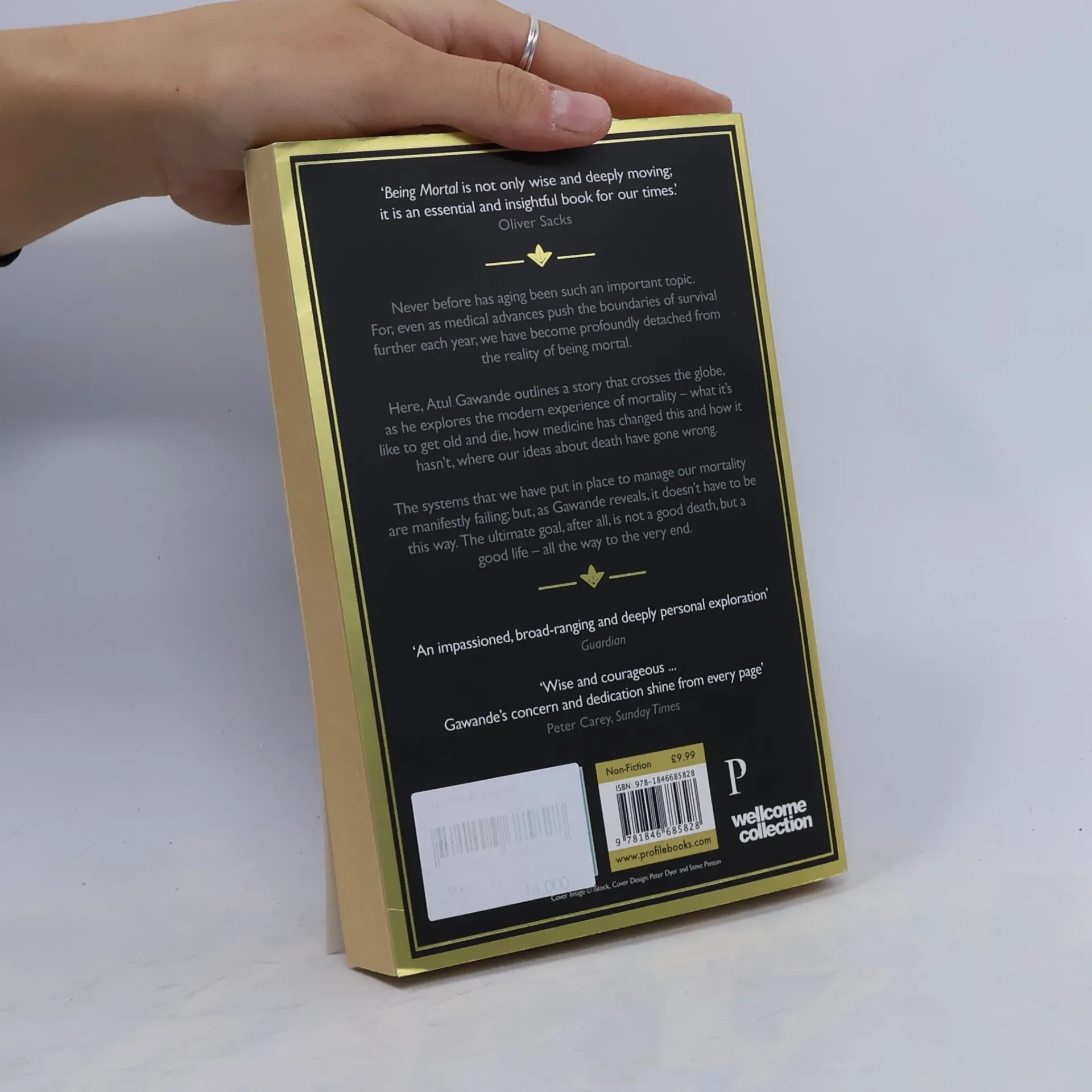
In Being Mortal , author Atul Gawande tackles the hardest challenge of his profession: how medicine can not only improve life but also the process of its ending Medicine has triumphed in modern times, transforming birth, injury, and infectious disease from harrowing to manageable. But in the inevitable condition of aging and death, the goals of medicine seem too frequently to run counter to the interest of the human spirit. Nursing homes, preoccupied with safety, pin patients into railed beds and wheelchairs. Hospitals isolate the dying, checking for vital signs long after the goals of cure have become moot. Doctors, committed to extending life, continue to carry out devastating procedures that in the end extend suffering. Gawande, a practicing surgeon, addresses his profession's ultimate limitation, arguing that quality of life is the desired goal for patients and families. Gawande offers examples of freer, more socially fulfilling models for assisting the infirm and dependent elderly, and he explores the varieties of hospice care to demonstrate that a person's last weeks or months may be rich and dignified.

Nákup knihy

Being Mortal, Atul Gawande

Jazyk
Rok vydania
2014
product-detail.submit-box.info.binding
(pevná)
Akonáhle sa objaví, pošleme e-mail.

Platobné metódy

4,5
Veľmi dobrá
171989 Hodnotenie

Tu nám chýba tvoja recenzia

Titul
Being Mortal
Podtitul
Medicine and What Matters in the End
Jazyk
anglicky
Vydavateľ
Profile Books
Rok vydania
2014
Väzba
pevná
Počet strán
282
ISBN10
1846685818
ISBN13
9781846685811
Série
Prvé vydanie
2014
Pôvodný názov
Being Mortal: Medicine and What Matters in the End
Hodnotenie
4,45 z 5
Anotácia
In Being Mortal , author Atul Gawande tackles the hardest challenge of his profession: how medicine can not only improve life but also the process of its ending Medicine has triumphed in modern times, transforming birth, injury, and infectious disease from harrowing to manageable. But in the inevitable condition of aging and death, the goals of medicine seem too frequently to run counter to the interest of the human spirit. Nursing homes, preoccupied with safety, pin patients into railed beds and wheelchairs. Hospitals isolate the dying, checking for vital signs long after the goals of cure have become moot. Doctors, committed to extending life, continue to carry out devastating procedures that in the end extend suffering. Gawande, a practicing surgeon, addresses his profession's ultimate limitation, arguing that quality of life is the desired goal for patients and families. Gawande offers examples of freer, more socially fulfilling models for assisting the infirm and dependent elderly, and he explores the varieties of hospice care to demonstrate that a person's last weeks or months may be rich and dignified.