

Viac o knihe
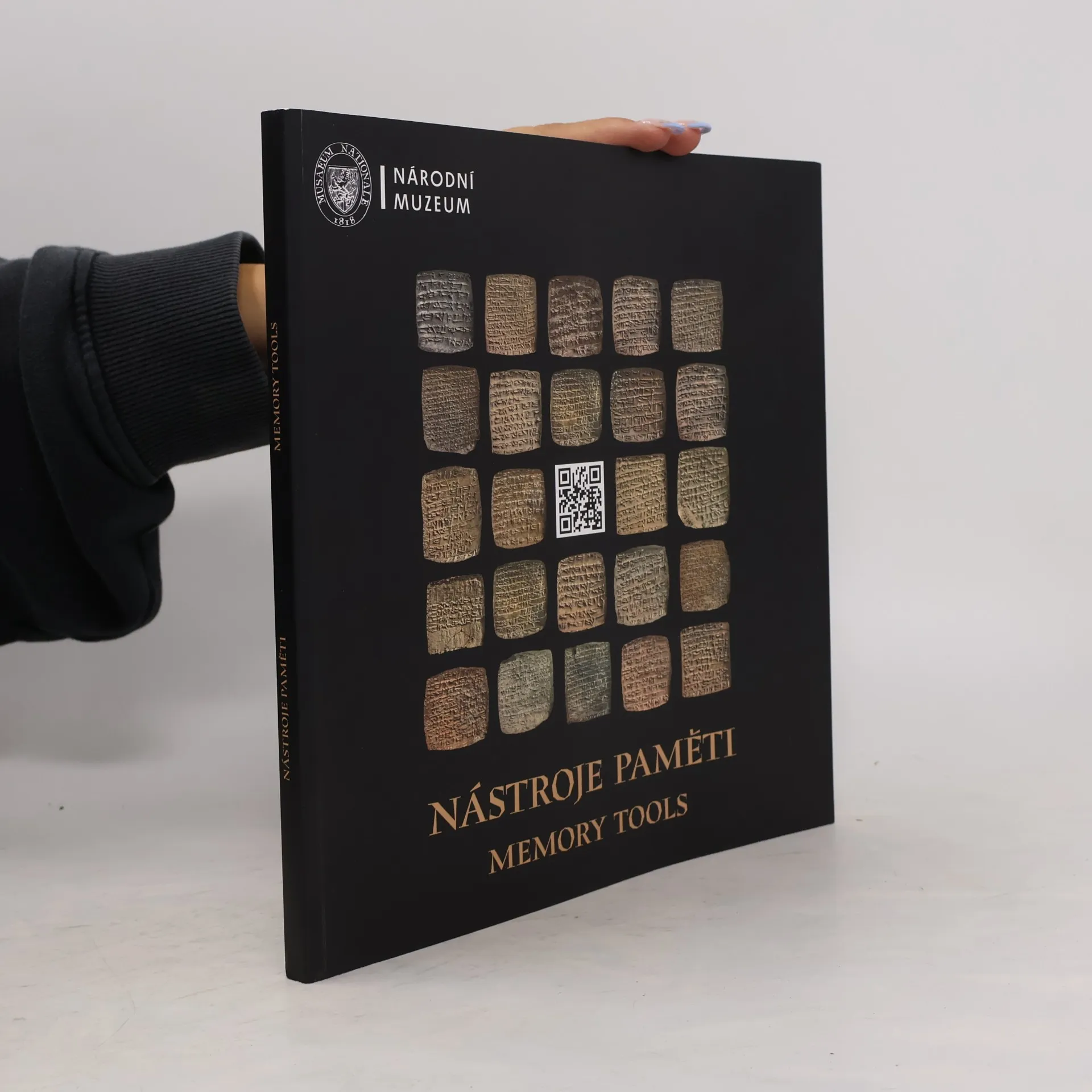
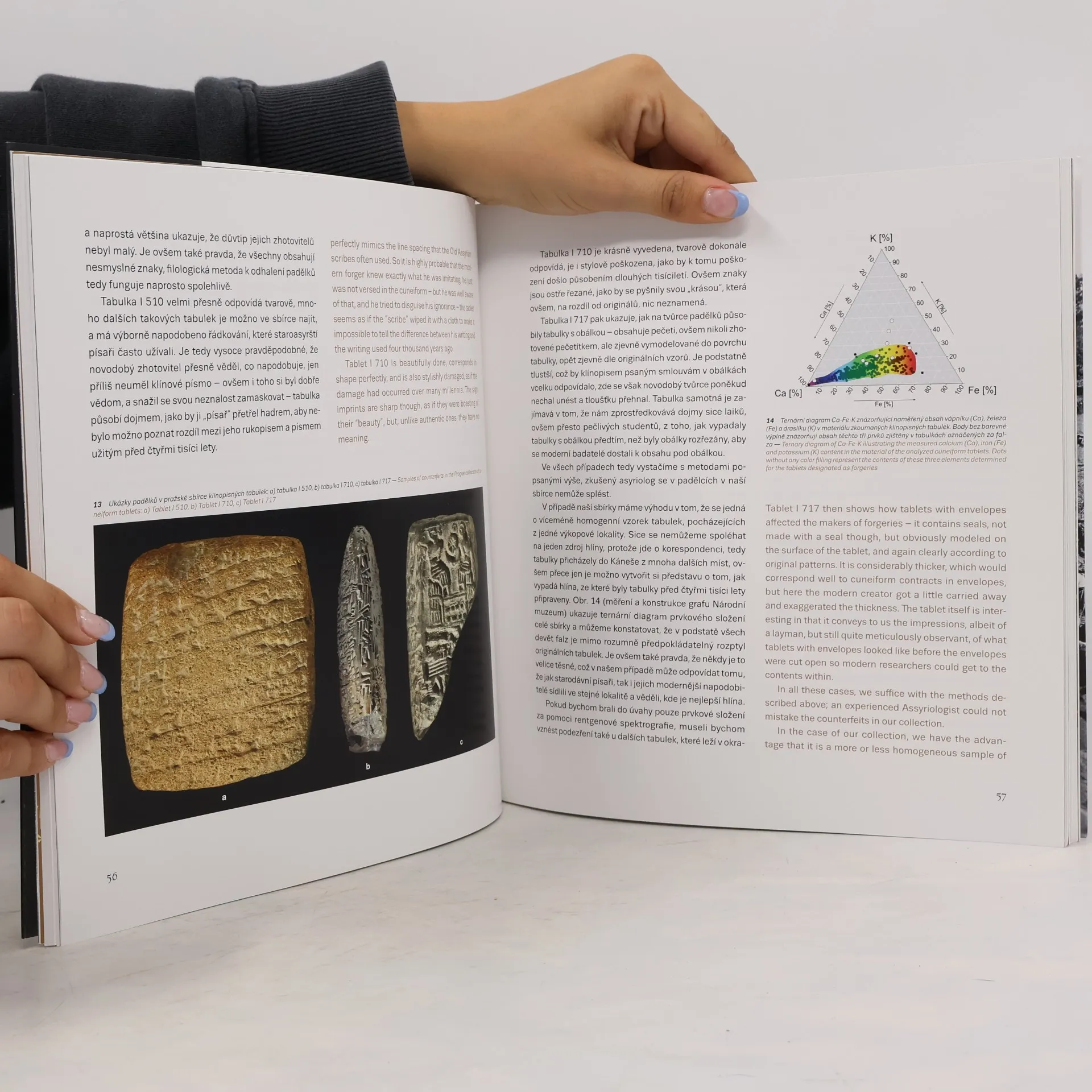
"The catalog for the exhibition "Memory tools" presents in more detail perhaps not very well known, but in the Czech Republic a completely unique set of four thousand years old written monuments, recorded in cuneiform on clay tablets, collected by a prominent Czech scientist prof. Bedřich Hrozný. The historical value of a file is incalculable; This, of course, means that the ensemble must be taken care of as best as possible so that it is available to all those who come after us. To achieve this goal, various modern methods of natural sciences (documentation, material analysis of subjects, etc.) were used and various methods of humanities were used to describe other properties of these subjects; the collected data were then analyzed and evaluated from various perspectives. The authors hope that they have been able to show, at least in part, what modern ways and methods can contribute to the effective protection of old "tools of memory" by using new tools, without limiting the possibility of their study or presentation to the public."--
Nákup knihy
Nástroje paměti. Memory tools, Karel Juliš, Ivana Kumpová, Jana Mynářová, Michal Pech, Ladislav Polák, Petra Štefcová, Jaroslav Valach, Daniel Vavřík, Benjamin Wolf, Marek Eisler
- Jazyk


- Rok vydania
- 2020
- Väzba
- (mäkká),
- Stav knihy
- Veľmi dobrá
- Cena
- 11,99 €
Nikto zatiaľ neohodnotil.
- Titul
- Nástroje paměti. Memory tools
- Jazyk
- česky, anglicky
- Autori
- Karel Juliš, Ivana Kumpová, Jana Mynářová, Michal Pech, Ladislav Polák, Petra Štefcová, Jaroslav Valach, Daniel Vavřík, Benjamin Wolf, Marek Eisler
- Vydavateľ
- Národní muzeum
- Rok vydania
- 2020
- Väzba
- mäkká
- Počet strán
- 168
- ISBN10
- 8070366494
- ISBN13
- 9788070366493
- Série
- Štítky
- Historické téma
- Anotácia
- "The catalog for the exhibition "Memory tools" presents in more detail perhaps not very well known, but in the Czech Republic a completely unique set of four thousand years old written monuments, recorded in cuneiform on clay tablets, collected by a prominent Czech scientist prof. Bedřich Hrozný. The historical value of a file is incalculable; This, of course, means that the ensemble must be taken care of as best as possible so that it is available to all those who come after us. To achieve this goal, various modern methods of natural sciences (documentation, material analysis of subjects, etc.) were used and various methods of humanities were used to describe other properties of these subjects; the collected data were then analyzed and evaluated from various perspectives. The authors hope that they have been able to show, at least in part, what modern ways and methods can contribute to the effective protection of old "tools of memory" by using new tools, without limiting the possibility of their study or presentation to the public."--