

Parametre
- 208 stránok
- 8 hodin čítania
Viac o knihe
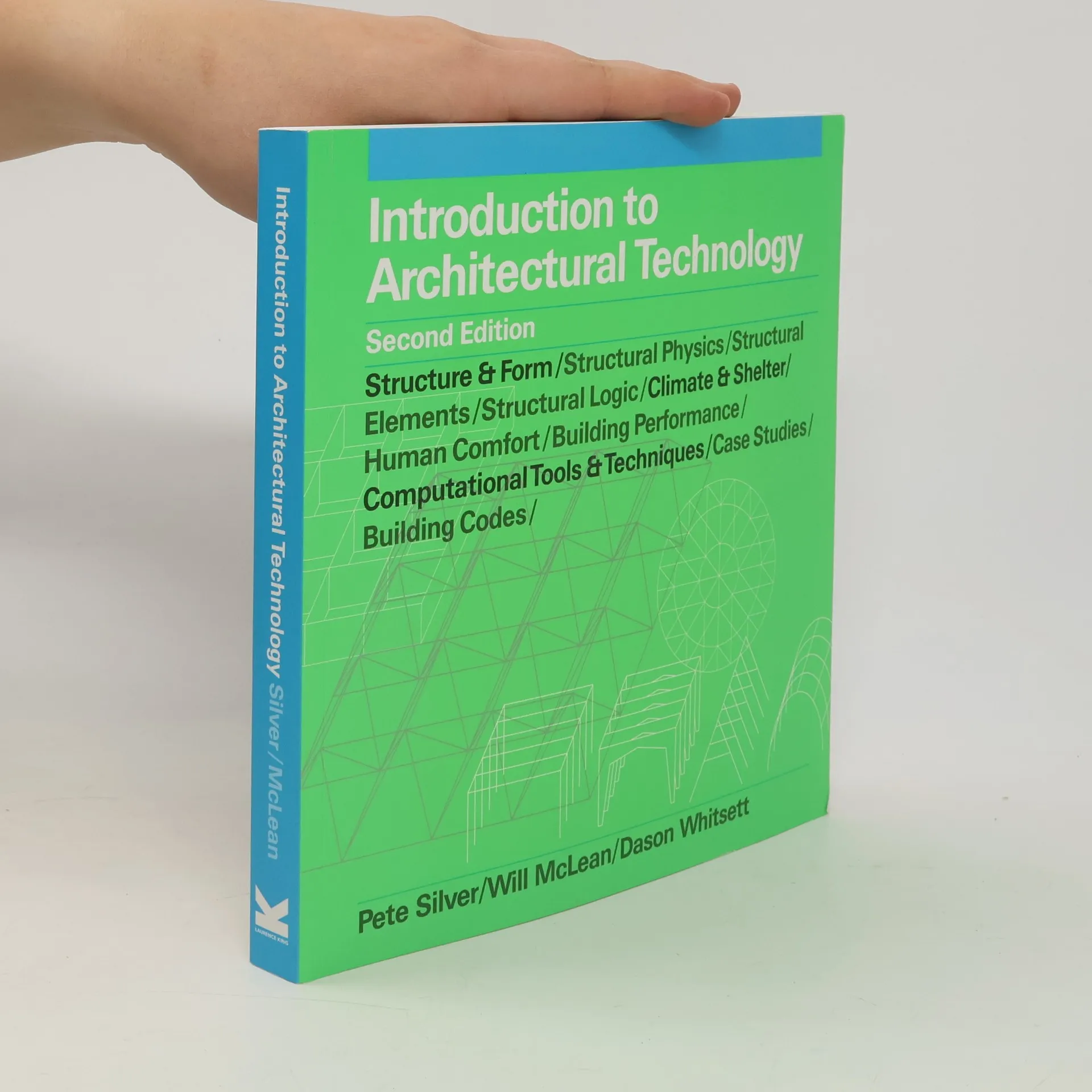
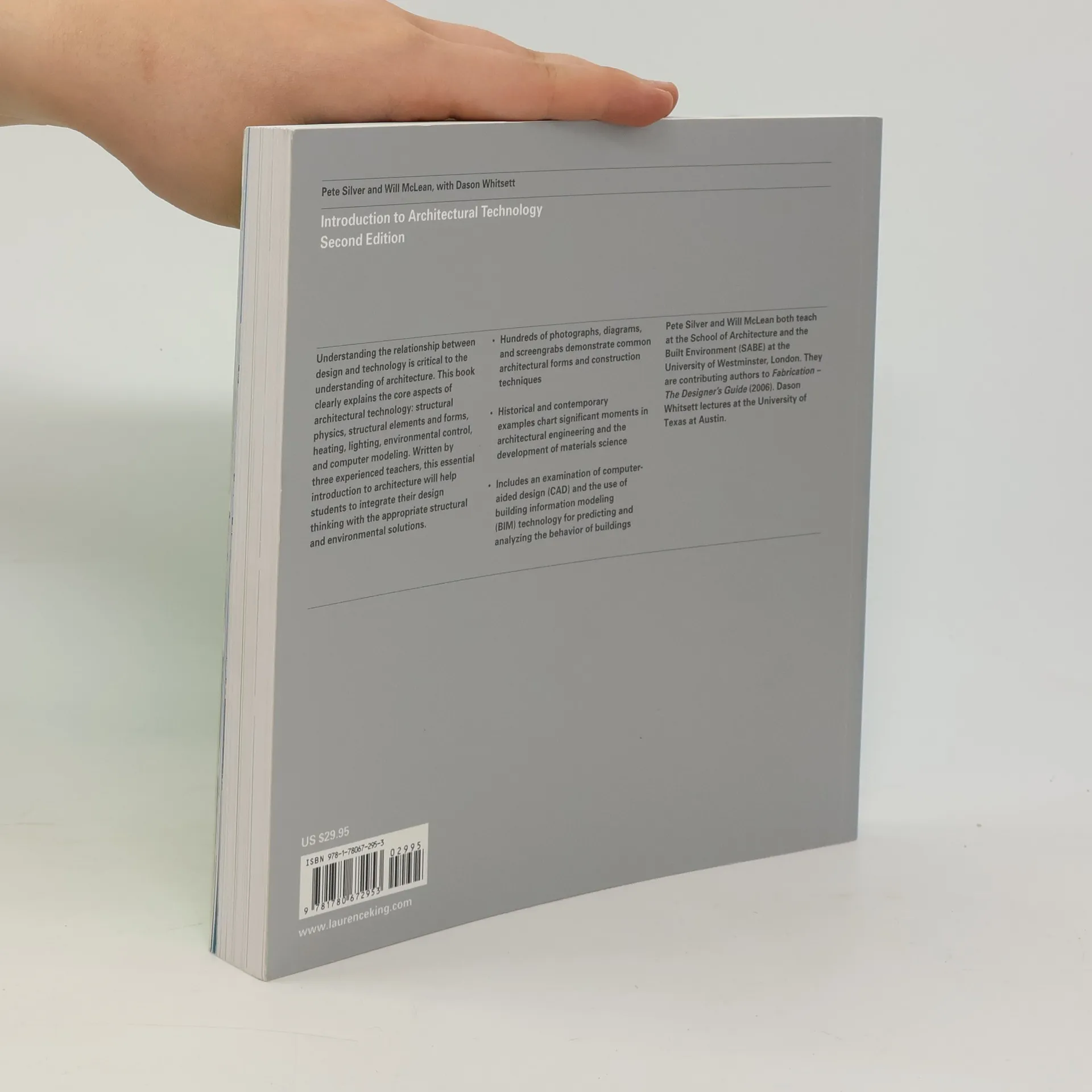
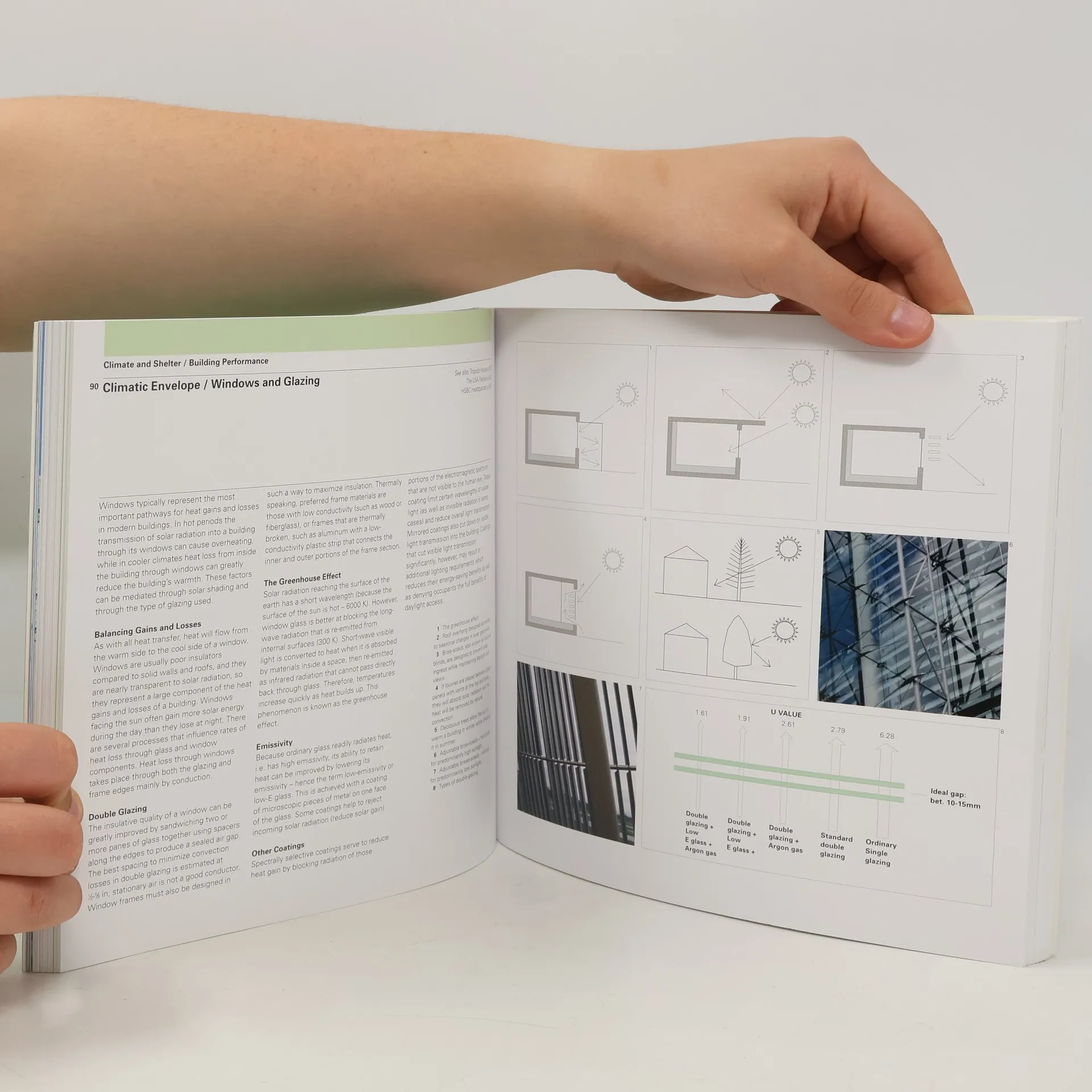
This book provides an accessible introduction for architecture students to all aspects of architectural technology: structural physics, structural elements and forms, heating, lighting, environmental control, and computer modeling. It will also help students to integrate their design thinking with appropriate structural and environmental solutions. The book explains the relationships between physical phenomena, materials, building elements, and structural types using simple classification systems and real world examples. In addition, it explores current computer techniques for assisting students to predict the structural and environmental behavior of buildings. It also uses historical precedents to explain how the success of a technology is directly related to its cultural context. This second edition includes new sections on environmental design, Building Information Modeling (BIM), and two new case studies. Written by three experienced teachers, this book will be invaluable for those contemplating the study of architecture and for those already embarked on such a course.


Nákup knihy
Introduction to Architectural Technology, William McLean, Pete Silver
- Jazyk

- Rok vydania
- 2013
- product-detail.submit-box.info.binding
- (mäkká)
Platobné metódy
Tu nám chýba tvoja recenzia
- Jazyk
- anglicky
- Autori
- William McLean, Pete Silver
- Vydavateľ
- Laurence King Publishing
- Rok vydania
- 2013
- Väzba
- mäkká
- Počet strán
- 208
- ISBN10
- 1780672950
- ISBN13
- 9781780672953
- Série
- Štítky
- Náučná literatúra, Umenie & Kultúra, Príručky a návody, Architektúra, Architektúra & Urbanizmus
- Hodnotenie
- 3,75 z 5
- Anotácia
- This book provides an accessible introduction for architecture students to all aspects of architectural technology: structural physics, structural elements and forms, heating, lighting, environmental control, and computer modeling. It will also help students to integrate their design thinking with appropriate structural and environmental solutions. The book explains the relationships between physical phenomena, materials, building elements, and structural types using simple classification systems and real world examples. In addition, it explores current computer techniques for assisting students to predict the structural and environmental behavior of buildings. It also uses historical precedents to explain how the success of a technology is directly related to its cultural context. This second edition includes new sections on environmental design, Building Information Modeling (BIM), and two new case studies. Written by three experienced teachers, this book will be invaluable for those contemplating the study of architecture and for those already embarked on such a course.