


Viac o knihe
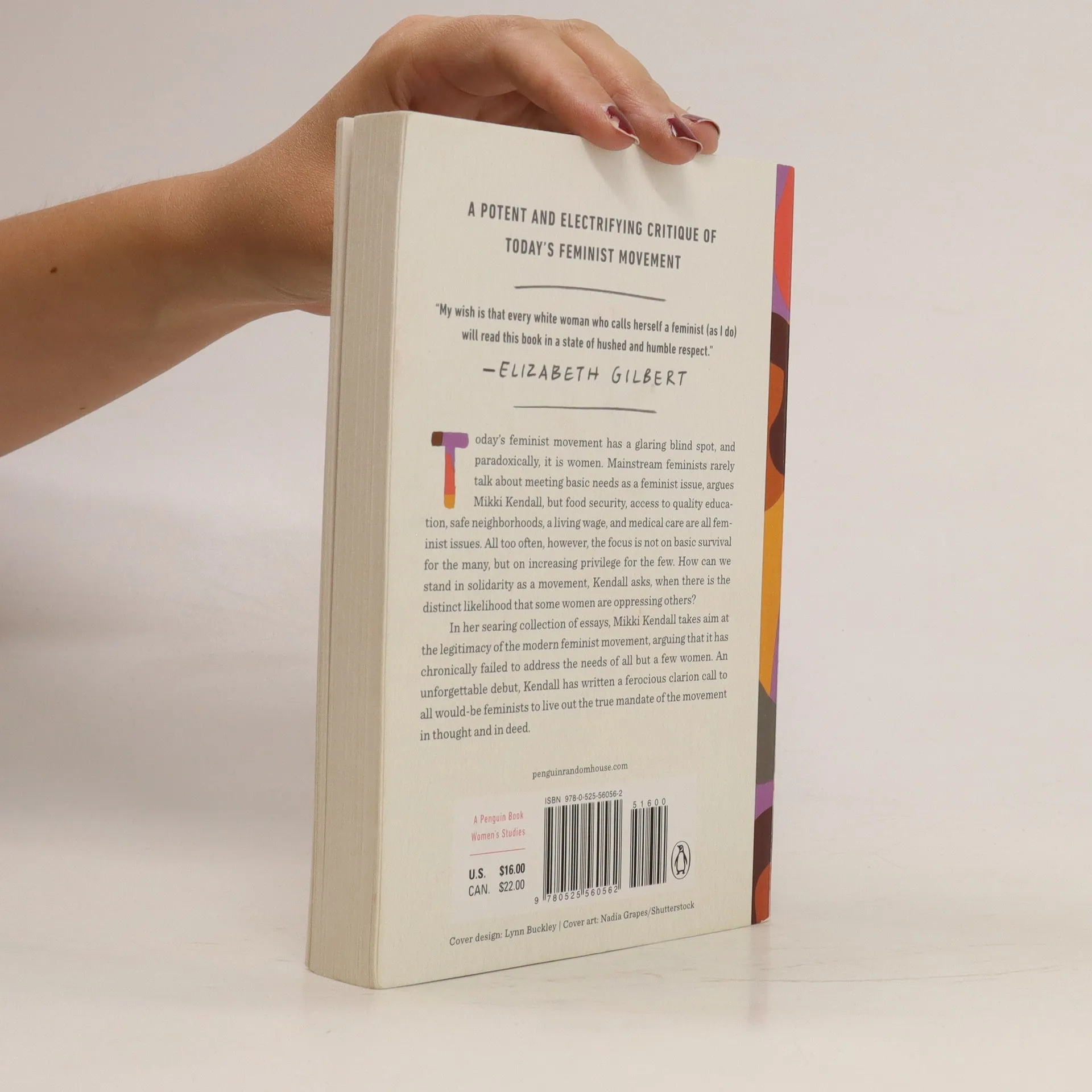
Today's feminist movement has a glaring blind spot, and paradoxically, it is women. Mainstream feminists rarely talk about meeting basic needs as a feminist issue, argues Mikki Kendall, but food insecurity, access to quality education, safe neighborhoods, a living wage, and medical care are all feminist issues. All too often, however, the focus is not on basic survival for the many, but on increasing privilege for the few. That feminists refuse to prioritize these issues has only exacerbated the age-old problem of both internecine discord and women who rebuff at carrying the title. Moreover, prominent white feminists broadly suffer from their own myopia with regard to how things like race, class, sexual orientation, and ability intersect with gender. How can we stand in solidarity as a movement, Kendall asks, when there is the distinct likelihood that some women are oppressing others?



Nákup knihy
Hood Feminism, Mikki Kendall
- Jazyk

- Rok vydania
- 2021
- Väzba
- (mäkká)
Platobné metódy
Tu nám chýba tvoja recenzia
- Titul
- Hood Feminism
- Jazyk
- anglicky
- Autori
- Mikki Kendall
- Vydavateľ
- Penguin Books
- Rok vydania
- 2021
- Väzba
- mäkká
- ISBN10
- 0525560564
- ISBN13
- 9780525560562
- Série
- Štítky
- Náučná literatúra, Spoločenské vedy, Skutočné príbehy, Politológia & Politika, Politika, USA, Publicistika & Eseje, Škola, Darčeky pre dedka, Darčeky pre ženy, Spoločnosť, Feminizmus, Rasa, rasizmus, Sociálna spravodlivosť, Chudoba, Prejudikáty
- Prvé vydanie
- 2020
- Pôvodný názov
- Hood Feminism: Notes from the Women That a Movement Forgot
- Hodnotenie
- 4,35 z 5
- Anotácia
- Today's feminist movement has a glaring blind spot, and paradoxically, it is women. Mainstream feminists rarely talk about meeting basic needs as a feminist issue, argues Mikki Kendall, but food insecurity, access to quality education, safe neighborhoods, a living wage, and medical care are all feminist issues. All too often, however, the focus is not on basic survival for the many, but on increasing privilege for the few. That feminists refuse to prioritize these issues has only exacerbated the age-old problem of both internecine discord and women who rebuff at carrying the title. Moreover, prominent white feminists broadly suffer from their own myopia with regard to how things like race, class, sexual orientation, and ability intersect with gender. How can we stand in solidarity as a movement, Kendall asks, when there is the distinct likelihood that some women are oppressing others?