

Viac o knihe
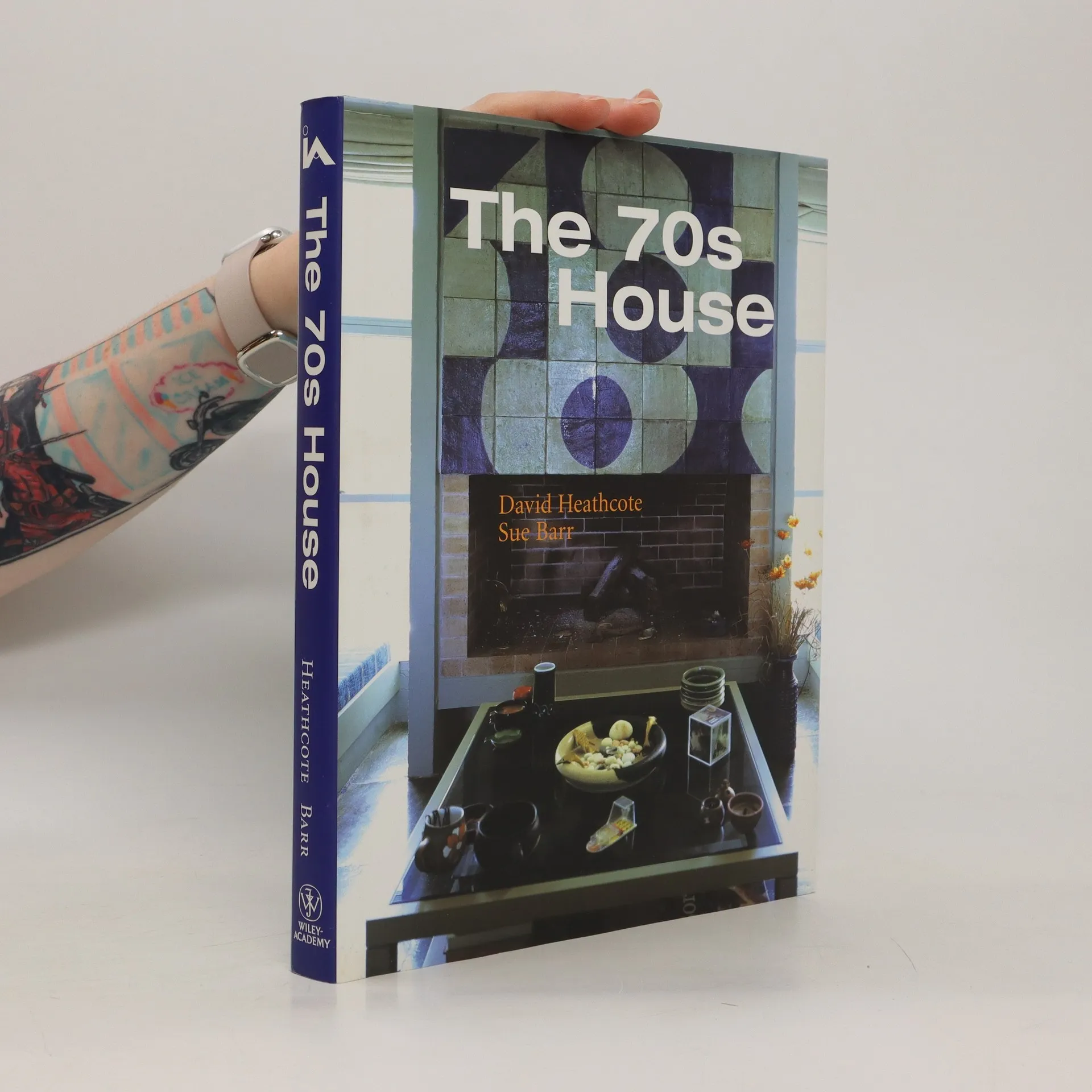
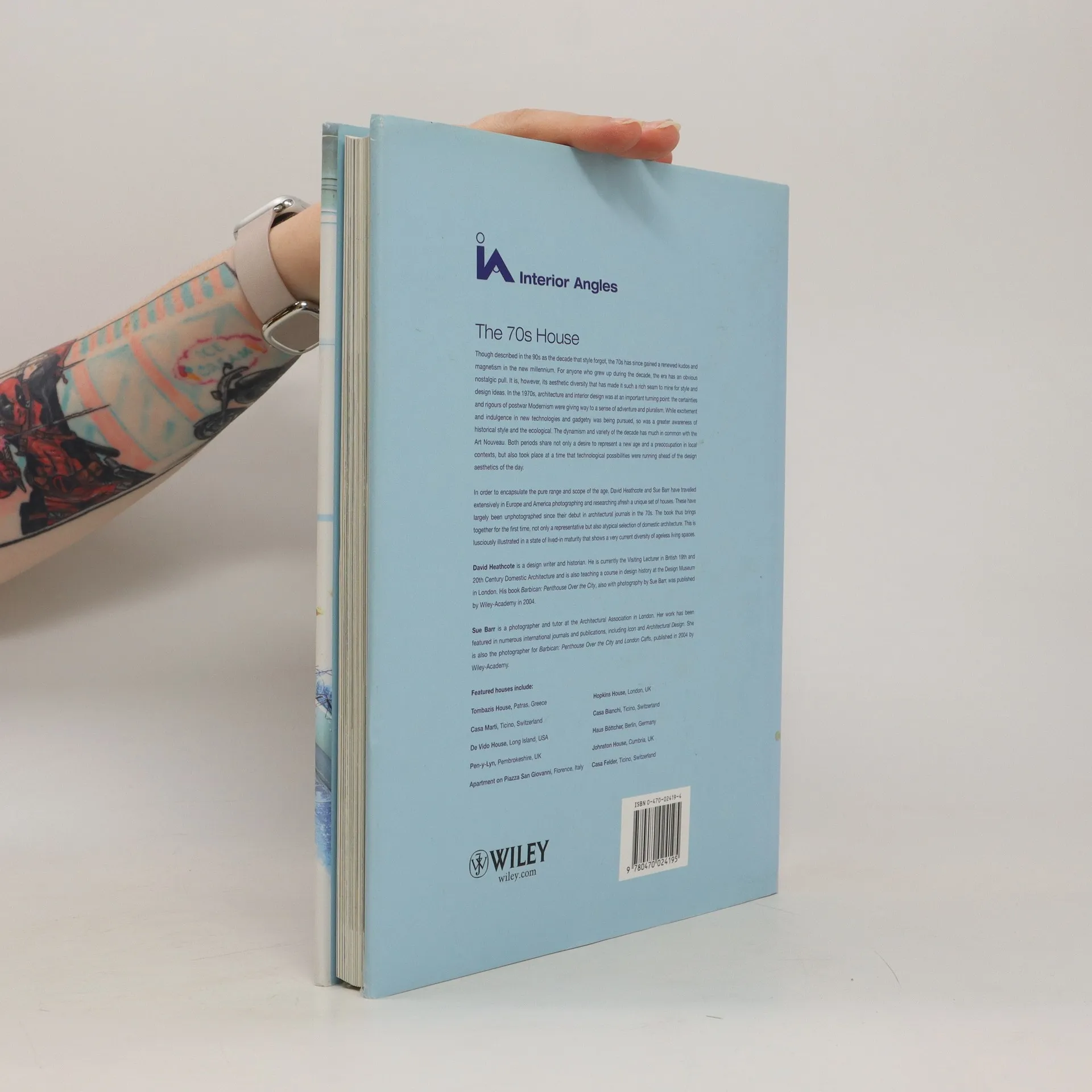
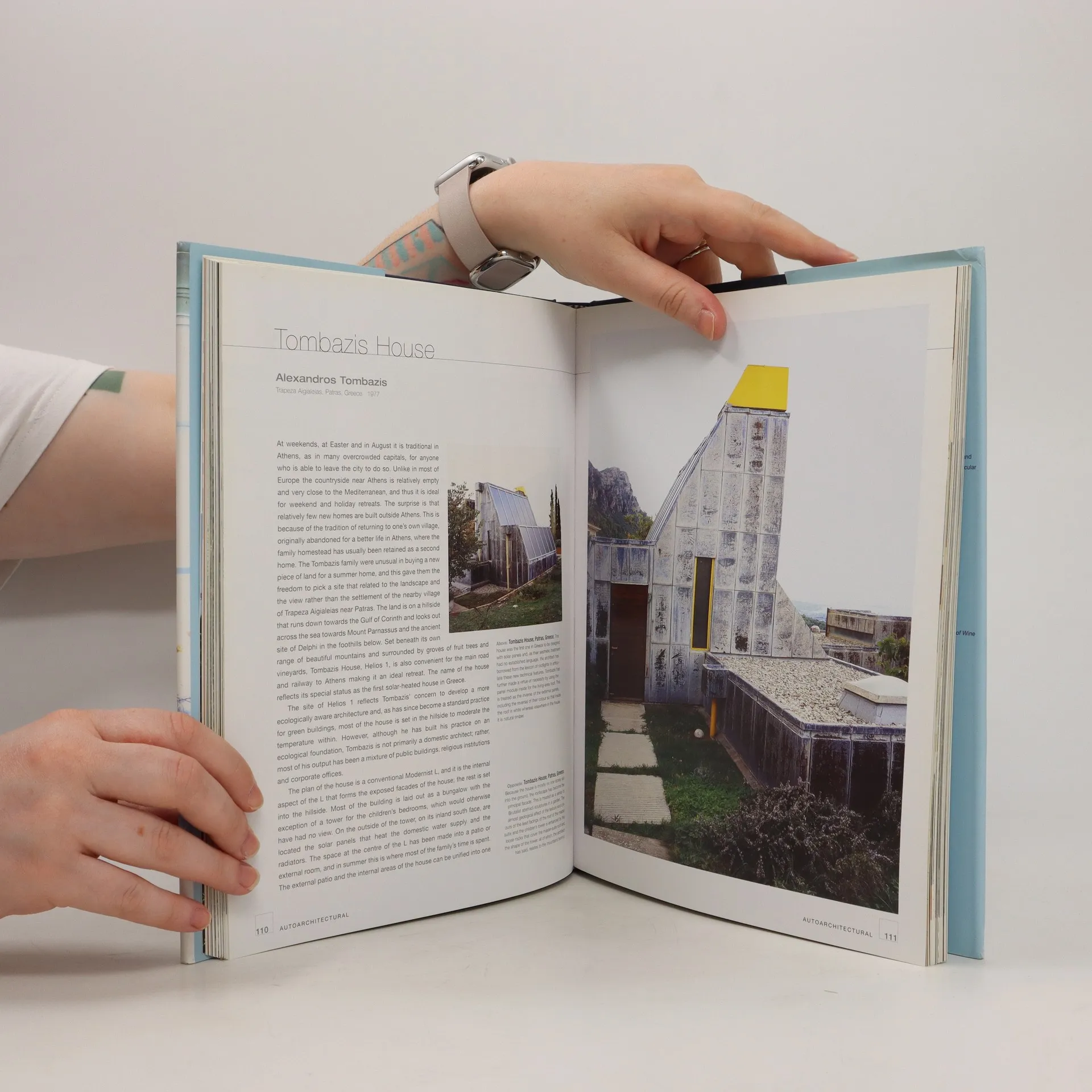
Often associated in the public's imagination with the excesses of Punk and Glam, the 70s was, in fact, an important watershed for interior domestic design. It marked an essential transition from the Modernist-dominated design culture of the 60s to an era in which style and the individualistic ethos of fashion design became the guiding principles. It can perhaps best be characterised by the idiosyncratic and inventive designs of Vernon Panton and Ettore Sottsass.In his book, David Heathcote provides a new and fundamentally positive interpretation of the period. He explains how the decade brought forward a plethora of highly diverse styles -- Brutalism, Ad Hocism, Eco/Craft Design, Revivalism/Reclaimism and Postmodernism. With the interest in all things futuristic being as much a part of the period as the Victorian Revival and the self-sufficiency/craft craze. Organised by individual style, this book, with its combination of newly commissioned photography and archive images, will be a
Nákup knihy
The 70s House, D. J. David J. Heathcote, Sue Barr
- Jazyk

- Rok vydania
- 2005
- Väzba
- (pevná)
Doručenie
Platobné metódy
Tu nám chýba tvoja recenzia
- Titul
- The 70s House
- Jazyk
- anglicky
- Autori
- D. J. David J. Heathcote, Sue Barr
- Vydavateľ
- John Wiley
- Rok vydania
- 2005
- Väzba
- pevná
- Počet strán
- 240
- ISBN10
- 0470024194
- ISBN13
- 9780470024195
- Série
- Kategórie
- Štítky
- Umenie
- Hodnotenie
- 3 z 5
- Anotácia
- Often associated in the public's imagination with the excesses of Punk and Glam, the 70s was, in fact, an important watershed for interior domestic design. It marked an essential transition from the Modernist-dominated design culture of the 60s to an era in which style and the individualistic ethos of fashion design became the guiding principles. It can perhaps best be characterised by the idiosyncratic and inventive designs of Vernon Panton and Ettore Sottsass.In his book, David Heathcote provides a new and fundamentally positive interpretation of the period. He explains how the decade brought forward a plethora of highly diverse styles -- Brutalism, Ad Hocism, Eco/Craft Design, Revivalism/Reclaimism and Postmodernism. With the interest in all things futuristic being as much a part of the period as the Victorian Revival and the self-sufficiency/craft craze. Organised by individual style, this book, with its combination of newly commissioned photography and archive images, will be a