



Viac o knihe
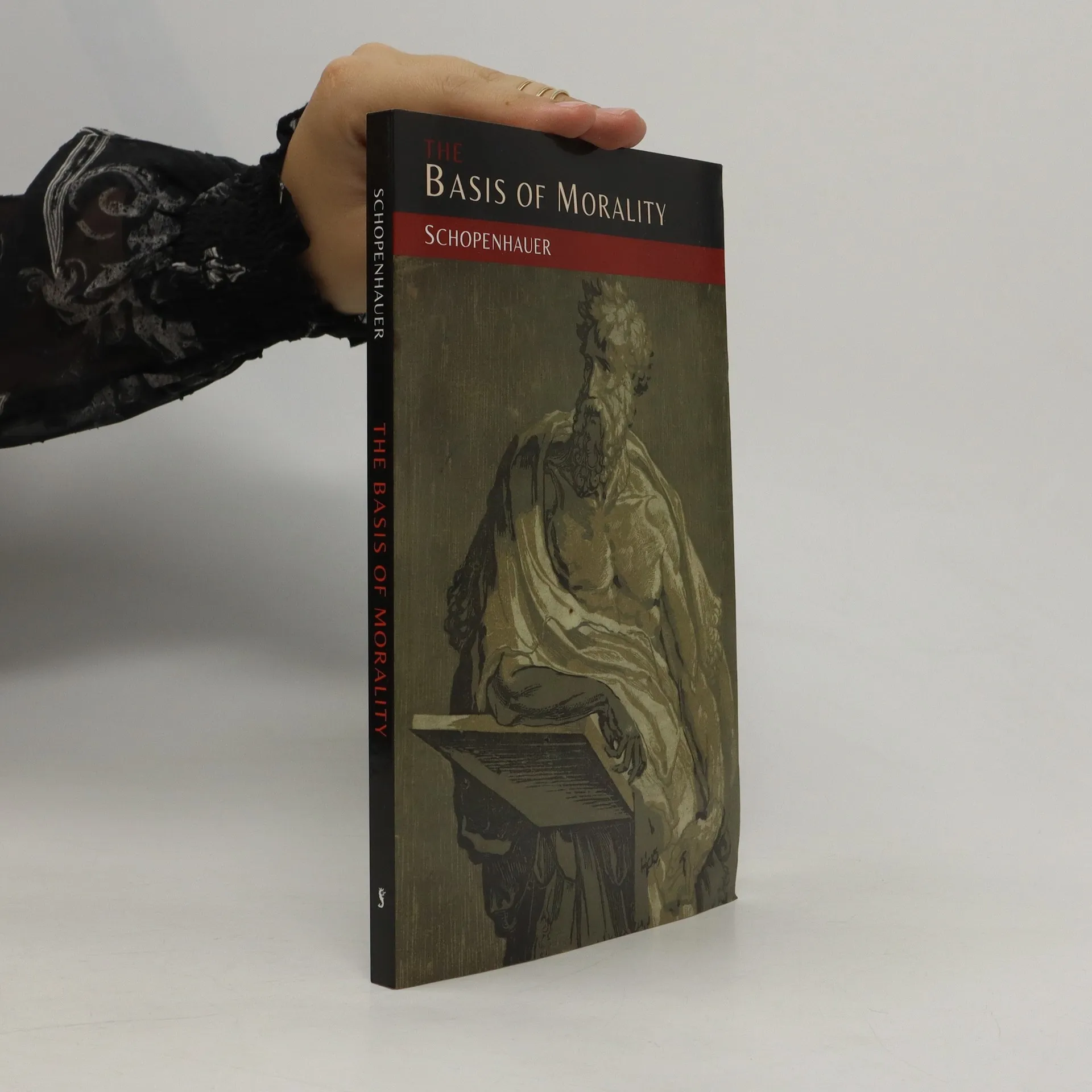
2015 Reprint of 1915 Edition. "The Basis of Morality" is one of Arthur Schopenhauer's major works in ethics, in which he argues that morality stems from compassion. Schopenhauer begins with a criticism of Kant's "Groundwork of the Metaphysic of Morals," which Schopenhauer considered to be the clearest explanation of Kantian ethics. Persuasive and humane, this classic of philosophy represents one of the nineteenth century's most significant treatises on ethics. "The Basis of Morality" offers Schopenhauer's fullest examination of traditional ethical themes, and it articulates a descriptive form of ethics that contradicts the rationally based prescriptive theories. Starting with his polemic against Kant's ethics of duty, Schopenhauer anticipates the latter-day critics of moral philosophy. Arguing that compassion forms the basis of morality, he outlines a perspective on ethics in which passion and desire correspond to different moral characters, behaviors, and worldviews. In conclusion, Schopenhauer defines his metaphysics of morals, employing Kant's transcendental idealism to illustrate both the inter-connectedness of being and the affinity of his ethics to Eastern thought.





Nákup knihy
The Basis of Morality, Arthur Schopenhauer
- Jazyk

- Rok vydania
- 2015
- Väzba
- (mäkká)
Platobné metódy
Tu nám chýba tvoja recenzia
- Jazyk
- anglicky
- Autori
- Arthur Schopenhauer
- Vydavateľ
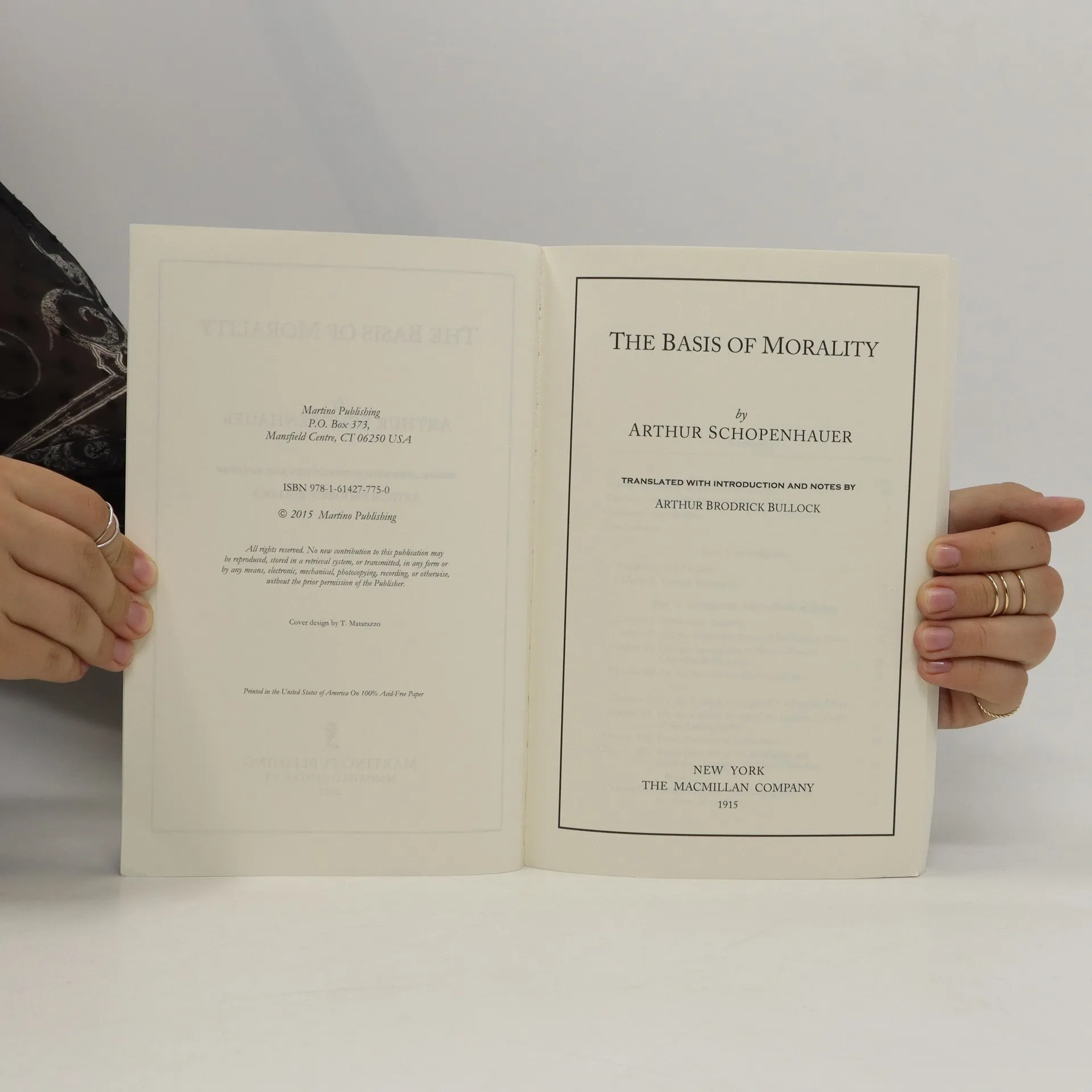
- The Macmillan Company
- Rok vydania
- 2015
- Väzba
- mäkká
- ISBN10
- 1614277753
- ISBN13
- 9781614277750
- Série
- Štítky
- Náučná literatúra, Spoločenské vedy, Ezoterika & Náboženstvo, Skutočné príbehy, Psychologická tematika, Náboženské témy, Filozofická tematika, Nemecká literatúra, Nemecko, Publicistika & Eseje, 19. storočie
- Pôvodný názov
- Die beiden Grundprobleme der Ethik
- Hodnotenie
- 4,2 z 5
- Anotácia
- 2015 Reprint of 1915 Edition. "The Basis of Morality" is one of Arthur Schopenhauer's major works in ethics, in which he argues that morality stems from compassion. Schopenhauer begins with a criticism of Kant's "Groundwork of the Metaphysic of Morals," which Schopenhauer considered to be the clearest explanation of Kantian ethics. Persuasive and humane, this classic of philosophy represents one of the nineteenth century's most significant treatises on ethics. "The Basis of Morality" offers Schopenhauer's fullest examination of traditional ethical themes, and it articulates a descriptive form of ethics that contradicts the rationally based prescriptive theories. Starting with his polemic against Kant's ethics of duty, Schopenhauer anticipates the latter-day critics of moral philosophy. Arguing that compassion forms the basis of morality, he outlines a perspective on ethics in which passion and desire correspond to different moral characters, behaviors, and worldviews. In conclusion, Schopenhauer defines his metaphysics of morals, employing Kant's transcendental idealism to illustrate both the inter-connectedness of being and the affinity of his ethics to Eastern thought.