

Parametre
Viac o knihe
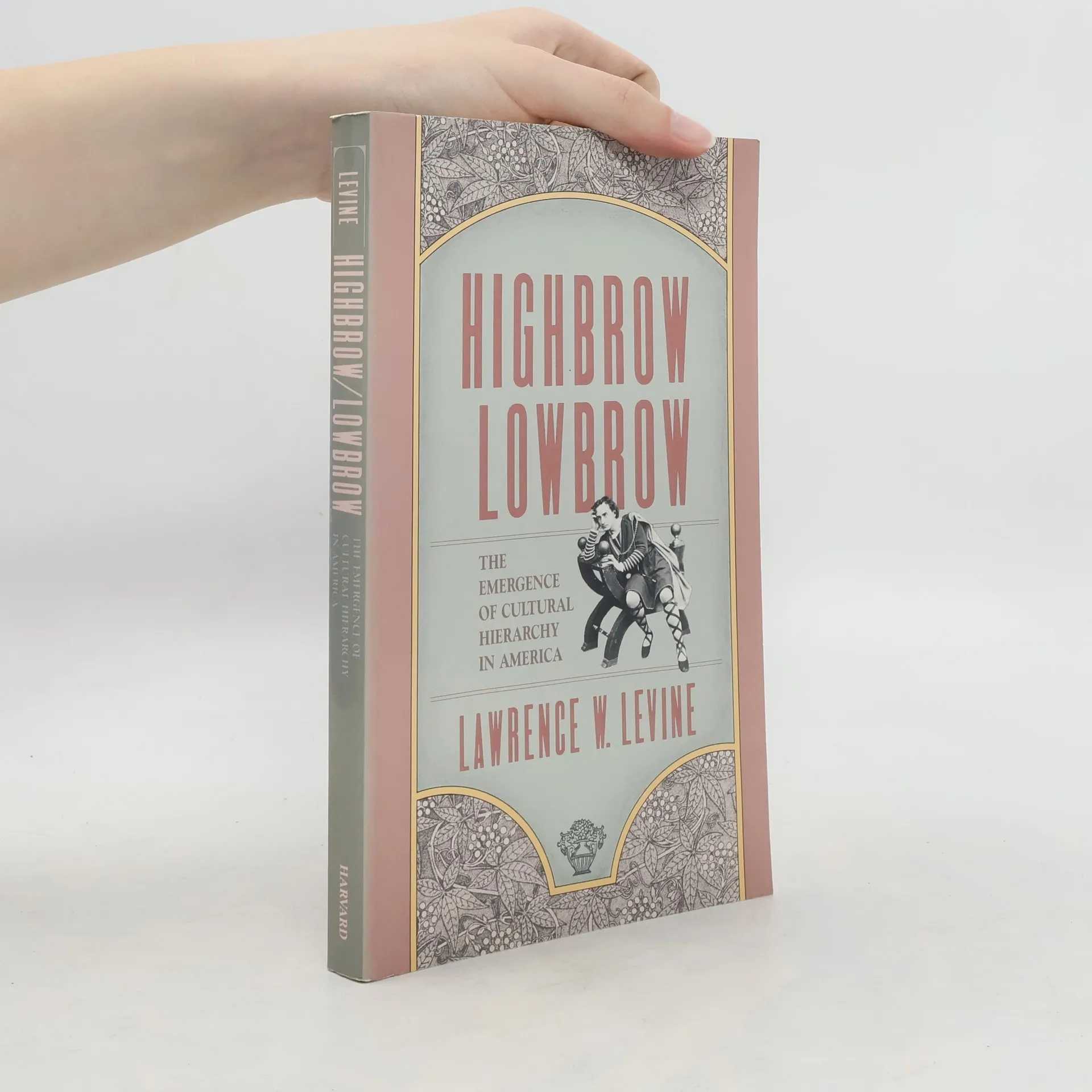
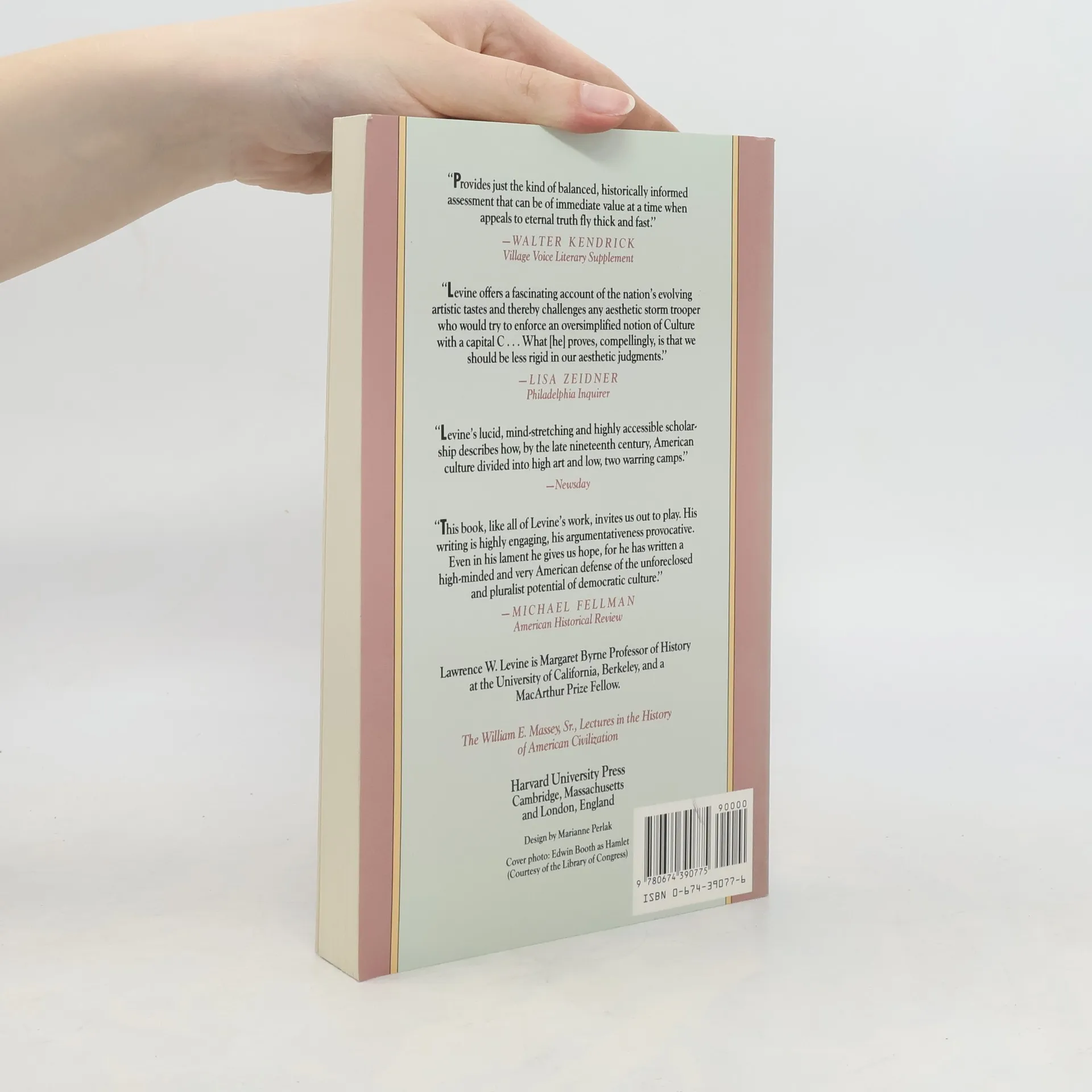
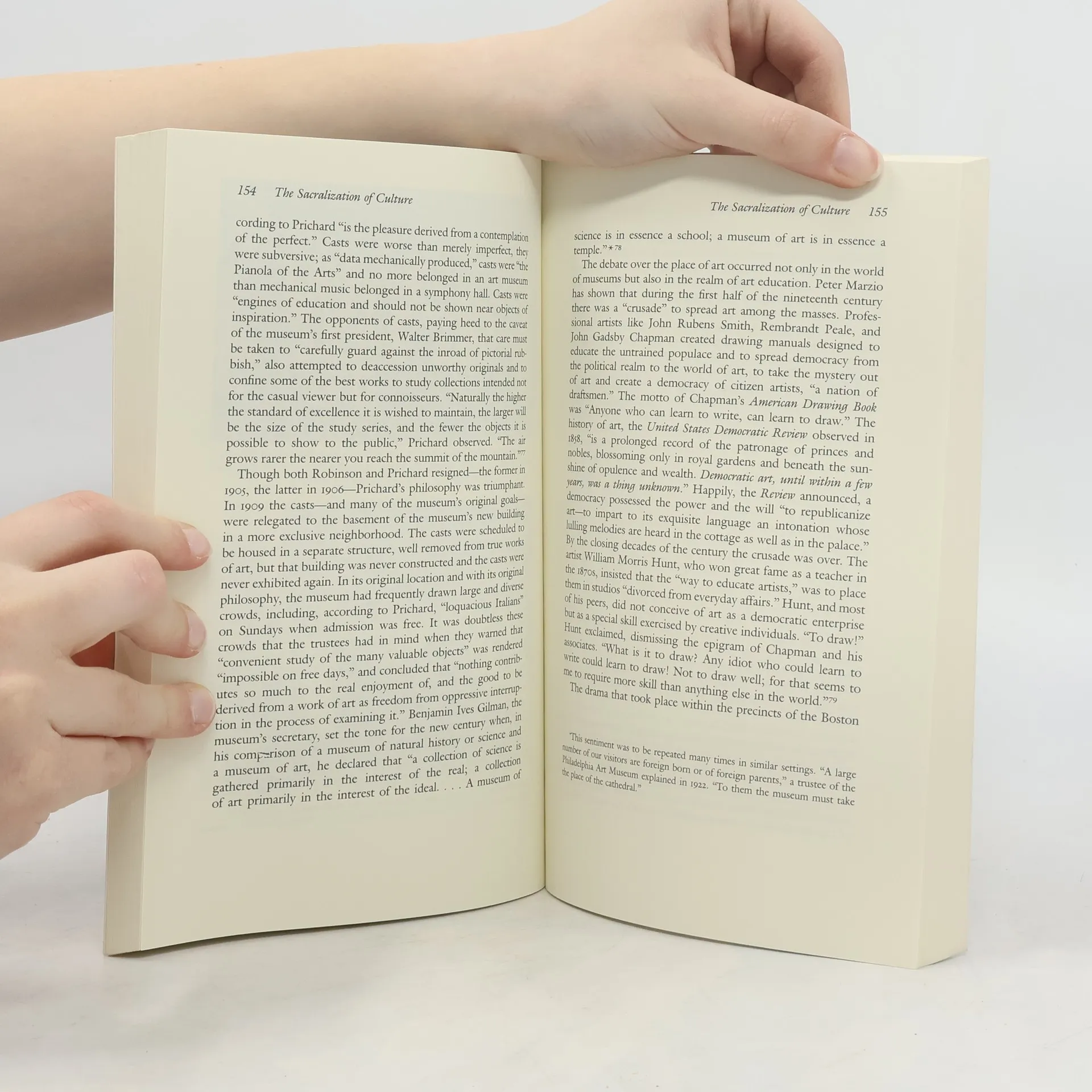
This wide-ranging study spans over a century, examining diverse forms of expressive culture, including Shakespeare, Central Park, symphonies, jazz, art museums, the Marx Brothers, opera, and vaudeville. A leading cultural historian reveals how variable and dynamic cultural boundaries have been, highlighting the fragility of the cultural categories we often accept as natural and eternal. In the nineteenth century, various expressive forms—such as Shakespearean drama, opera, orchestral music, and the writings of Dickens and Longfellow—held both high cultural status and mass popularity. Americans shared a public culture that was less hierarchically organized and fragmented compared to later generations. However, by the twentieth century, this cultural eclecticism began to wane, leading to a more sharply defined cultural space. The theater, once a microcosm of America, fragmented into distinct spaces catering to specific audiences and genres. This transition also affected concert halls, opera houses, and museums, resulting in a growing divide between "serious" and "popular," as well as "high" and "low" culture. Through this innovative historical exploration, the author traces the emergence of familiar categories like highbrow and lowbrow, enhancing our understanding of cultural change and the nature of culture in American society.
Nákup knihy
Highbrow, Lawrence W. Levine
- Jazyk

- Rok vydania
- 1988
- Väzba
- (mäkká)
Tu nám chýba tvoja recenzia
- Titul
- Highbrow
- Jazyk
- anglicky
- Autori
- Lawrence W. Levine
- Vydavateľ
- Harvard University Press
- Rok vydania
- 1988
- Väzba
- mäkká
- ISBN10
- 0674390776
- ISBN13
- 9780674390775
- Série
- Kategórie
- Štítky
- Hodnotenie
- 3,9 z 5
- Anotácia
- This wide-ranging study spans over a century, examining diverse forms of expressive culture, including Shakespeare, Central Park, symphonies, jazz, art museums, the Marx Brothers, opera, and vaudeville. A leading cultural historian reveals how variable and dynamic cultural boundaries have been, highlighting the fragility of the cultural categories we often accept as natural and eternal. In the nineteenth century, various expressive forms—such as Shakespearean drama, opera, orchestral music, and the writings of Dickens and Longfellow—held both high cultural status and mass popularity. Americans shared a public culture that was less hierarchically organized and fragmented compared to later generations. However, by the twentieth century, this cultural eclecticism began to wane, leading to a more sharply defined cultural space. The theater, once a microcosm of America, fragmented into distinct spaces catering to specific audiences and genres. This transition also affected concert halls, opera houses, and museums, resulting in a growing divide between "serious" and "popular," as well as "high" and "low" culture. Through this innovative historical exploration, the author traces the emergence of familiar categories like highbrow and lowbrow, enhancing our understanding of cultural change and the nature of culture in American society.