



Viac o knihe
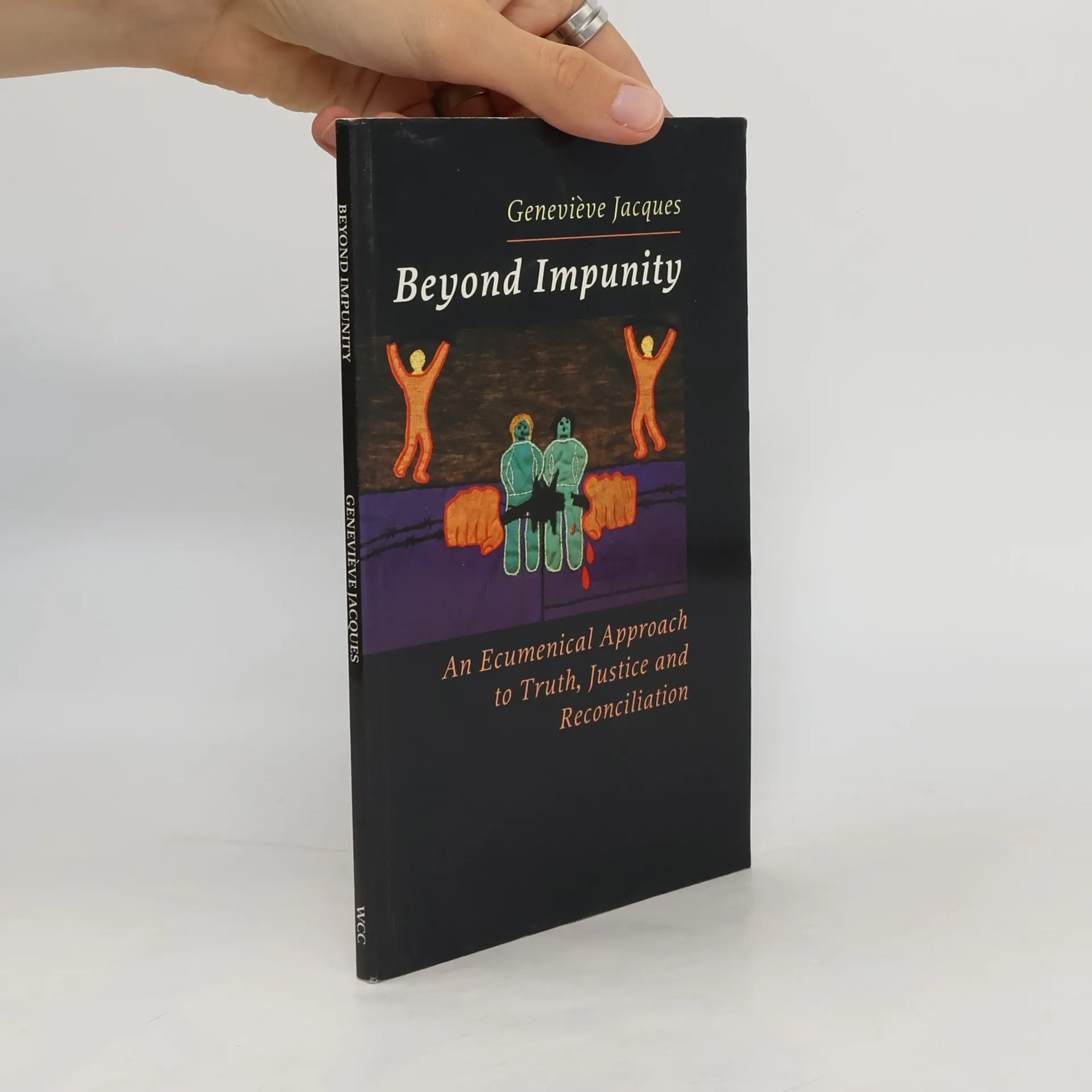
This study is part of an ongoing ecumenical debate on the complex legal, political and human problems surrounding the issue of impunity and efforts to establish and defend the rule of law in countries emerging from decades of oppressive rule. It explores the essential links between truth and memory, and justice and reconcilliation. The author demonstrates that the strongest driving force in the struggle against impunity is the need of victims to expose their experience and by doing so recover a shared memory and thus restore human dignity to themselves and make the perpretators accountable. Building on the work of the Truth and Reconcilliation Commission in South Africa and her experiences in Guatemala, the author introduces and elaborates on the concept of 'restorative justice' which seeks to recreate right relations through responsibility, accountability and the will to live together. This book renews discussion on the potential role of the Church as an agent of reconciliation to help build a culture of peace leading effectively beyond impunity.
Nákup knihy
Beyond Impunity, Geneviève Jacques
- Jazyk

- Rok vydania
- 2000
- Väzba
- (mäkká)
Tu nám chýba tvoja recenzia
- Titul
- Beyond Impunity
- Podtitul
- An Ecumenical Approach to Truth, Justice and Reconciliation
- Jazyk
- anglicky
- Autori
- Geneviève Jacques
- Vydavateľ
- World Council of Churches
- Rok vydania
- 2000
- Väzba
- mäkká
- Počet strán
- 61
- ISBN10
- 2825413216
- ISBN13
- 9782825413210
- Série
- Štítky
- Svetová literatúra
- Hodnotenie
- 3 z 5
- Anotácia
- This study is part of an ongoing ecumenical debate on the complex legal, political and human problems surrounding the issue of impunity and efforts to establish and defend the rule of law in countries emerging from decades of oppressive rule. It explores the essential links between truth and memory, and justice and reconcilliation. The author demonstrates that the strongest driving force in the struggle against impunity is the need of victims to expose their experience and by doing so recover a shared memory and thus restore human dignity to themselves and make the perpretators accountable. Building on the work of the Truth and Reconcilliation Commission in South Africa and her experiences in Guatemala, the author introduces and elaborates on the concept of 'restorative justice' which seeks to recreate right relations through responsibility, accountability and the will to live together. This book renews discussion on the potential role of the Church as an agent of reconciliation to help build a culture of peace leading effectively beyond impunity.