

Viac o knihe
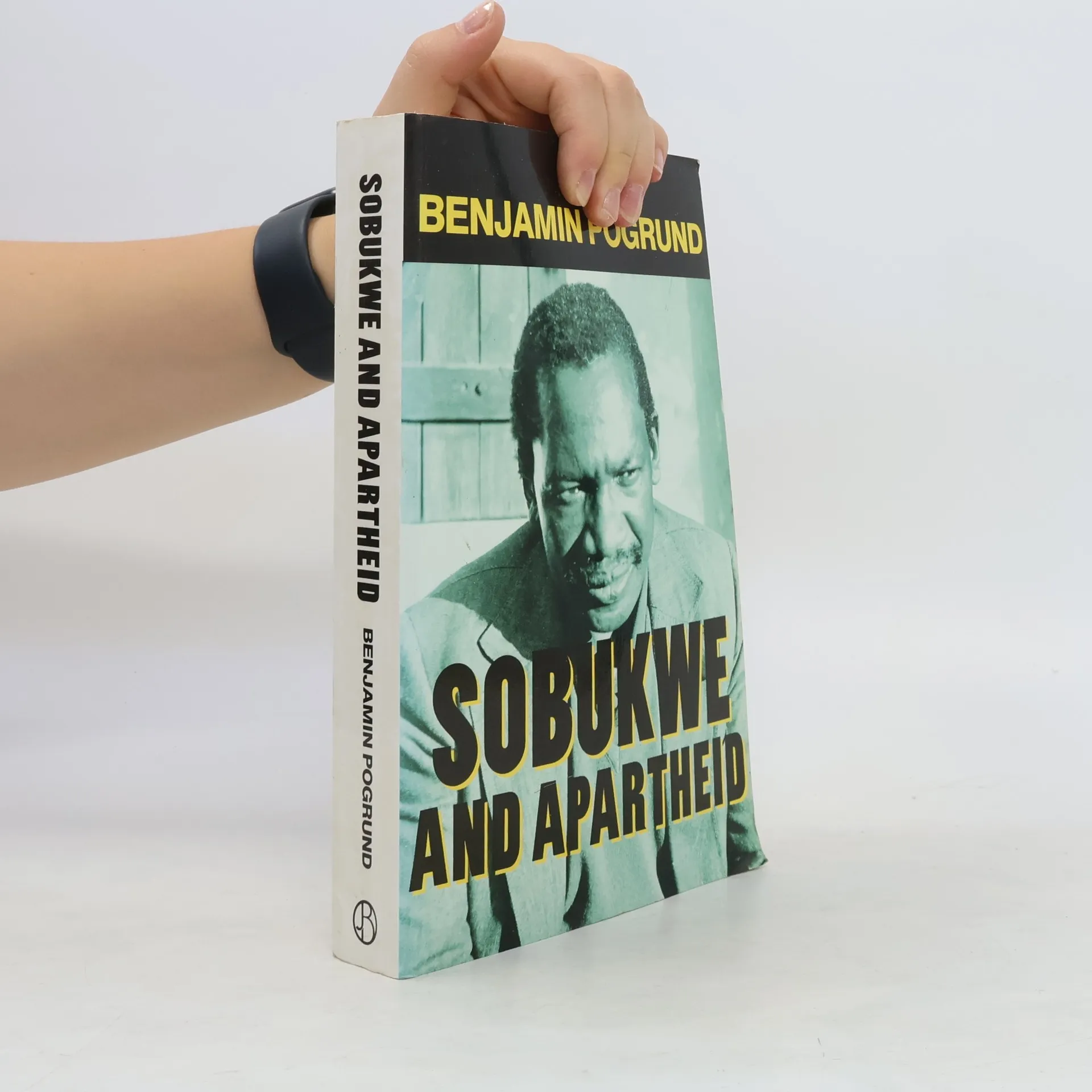
Archbishop Desmond Tutu remarked on Sobukwe's profound influence, stating that knowing him was a privilege and lamenting his tragic imprisonment and early death. This book serves as a testament to the complexities of black liberation politics and honors a remarkable man who voiced the voiceless. It is a compelling narrative, enriched by unique insights and documents, and reflects the authority of a journalist who challenged the regime by exposing South African prison conditions. Thirty years ago, Sobukwe spearheaded a mass protest against pass laws, urging blacks to demand arrest at police stations. This nonviolent demonstration turned tragic when police opened fire, resulting in sixty-nine deaths on March 21, 1960, marking Sobukwe's last day of freedom. He passed away nearly eighteen years later from lung cancer. As the leader of the Pan-Africanist Congress, Sobukwe was both a colleague and rival to notable figures like Tutu, Mandela, and Buthelezi. However, his contributions have been overshadowed by the anti-Apartheid leadership's lack of support for the Pan-Africanist vision. Telling Sobukwe's story now is crucial for understanding the dynamics among contemporary black leaders in South Africa.
Nákup knihy
Sobukwe and Apartheid, Benjamin Pogrund
- Jazyk

- Rok vydania
- 1990
- Väzba
- (mäkká)
Nikto zatiaľ neohodnotil.
- Titul
- Sobukwe and Apartheid
- Jazyk
- anglicky
- Autori
- Benjamin Pogrund
- Vydavateľ
- Jonathan Ball Publishers
- Rok vydania
- 1990
- Väzba
- mäkká
- Počet strán
- 406
- ISBN10
- 0947464204
- ISBN13
- 9780947464202
- Série
- Anotácia
- Archbishop Desmond Tutu remarked on Sobukwe's profound influence, stating that knowing him was a privilege and lamenting his tragic imprisonment and early death. This book serves as a testament to the complexities of black liberation politics and honors a remarkable man who voiced the voiceless. It is a compelling narrative, enriched by unique insights and documents, and reflects the authority of a journalist who challenged the regime by exposing South African prison conditions. Thirty years ago, Sobukwe spearheaded a mass protest against pass laws, urging blacks to demand arrest at police stations. This nonviolent demonstration turned tragic when police opened fire, resulting in sixty-nine deaths on March 21, 1960, marking Sobukwe's last day of freedom. He passed away nearly eighteen years later from lung cancer. As the leader of the Pan-Africanist Congress, Sobukwe was both a colleague and rival to notable figures like Tutu, Mandela, and Buthelezi. However, his contributions have been overshadowed by the anti-Apartheid leadership's lack of support for the Pan-Africanist vision. Telling Sobukwe's story now is crucial for understanding the dynamics among contemporary black leaders in South Africa.