

Viac o knihe
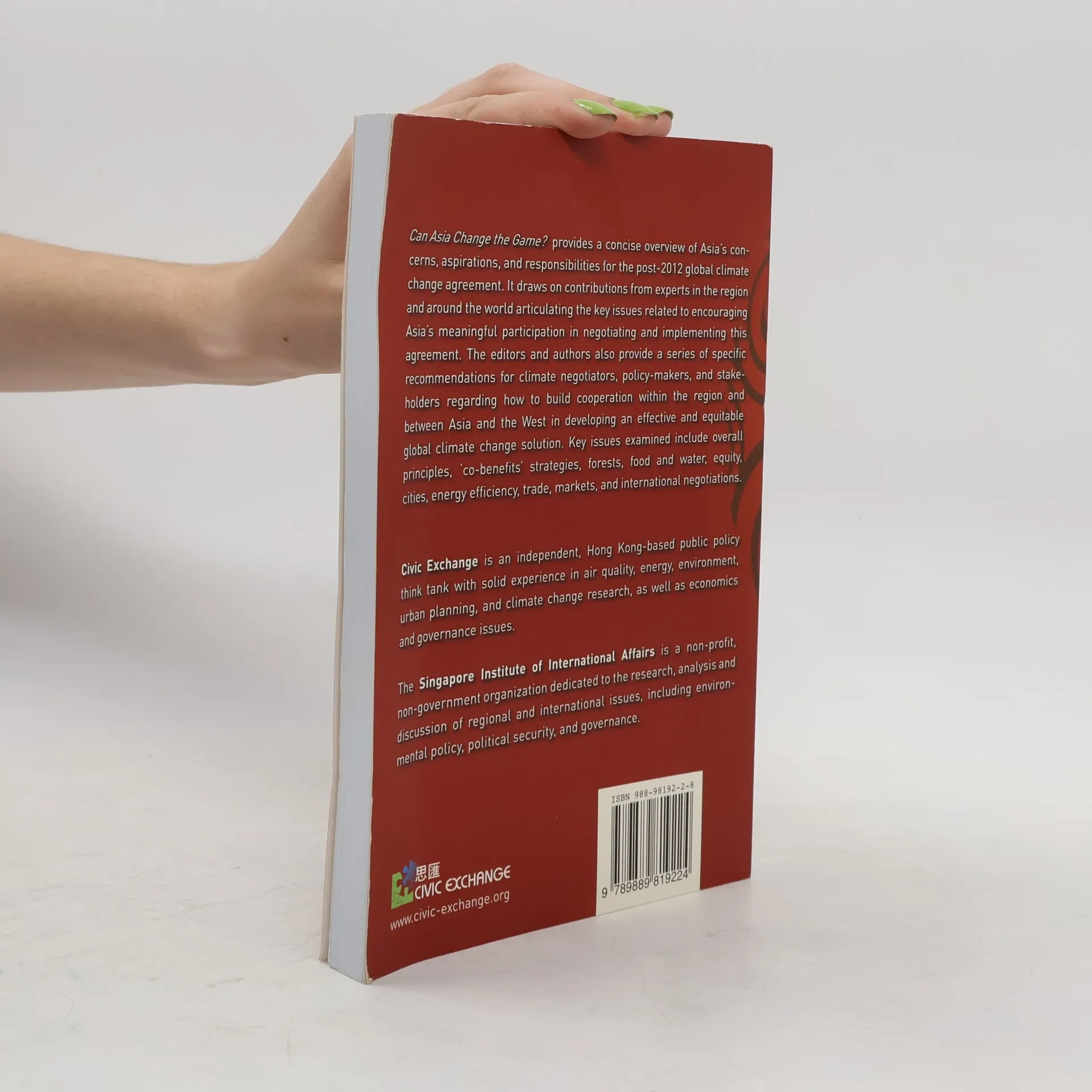
A concise overview of Asia's concerns, aspirations, and responsibilities for the post-2012 global climate change agreement. It draws on contributions from experts in the region and around the world articulating the key issues related to encouraging Asia's meaningful participation in negotiating and implementing this agreement. The editors and authors also provide a series of specific recommendations for climate negotiators, policy-makers, and stakeholders regarding how to build cooperation within the region and between Asia and the West in developing an effective and equitable climate change solution. Key issues examined include overall principles, 'co-benefits' strategies, forests, food and water, equity, cities, energy efficiency, trade, markets, and international negotiations.
Nákup knihy
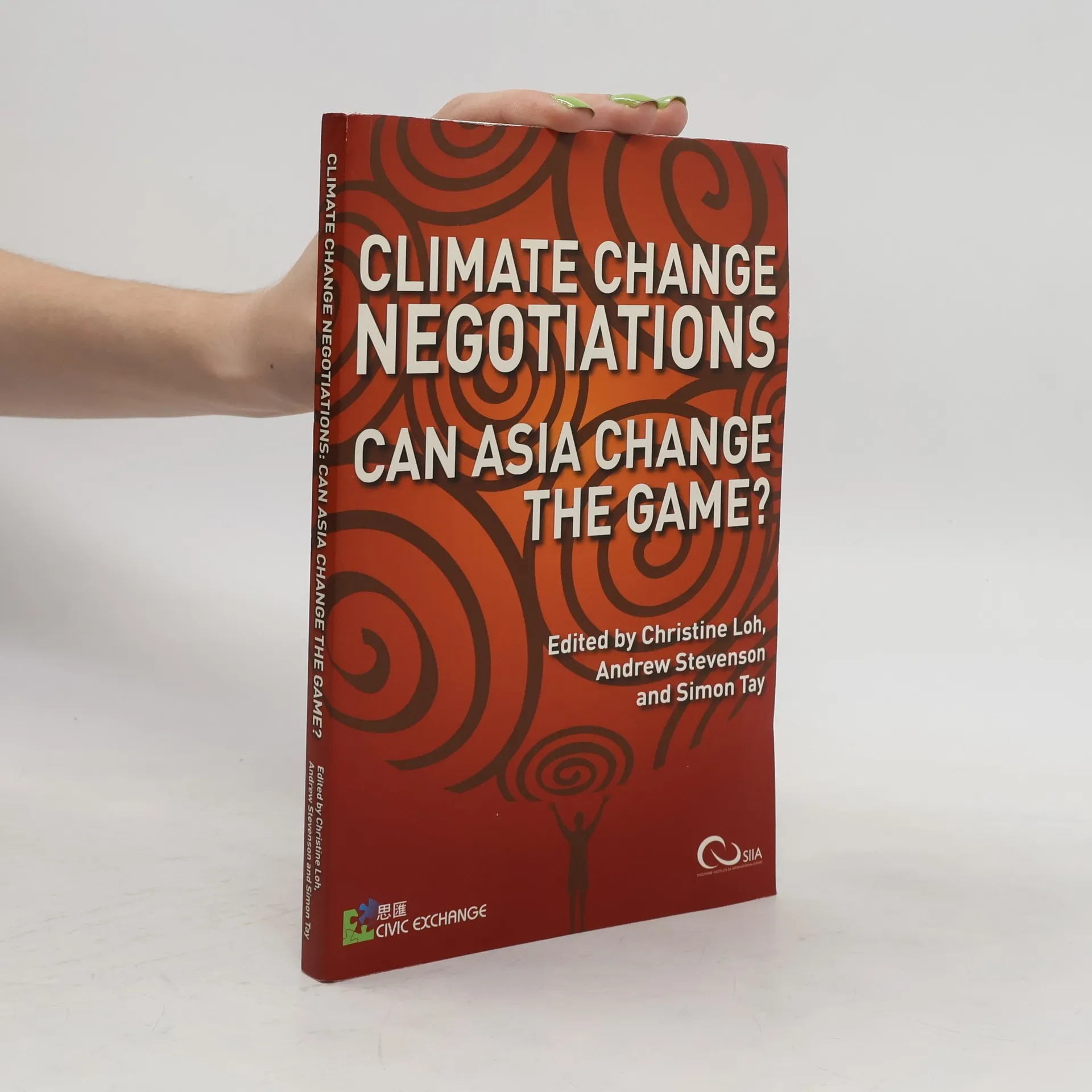
Climate Change Negotiations, Christine Loh, Andrew Stevenson, Simon Tay
- Jazyk

- Rok vydania
- 2008
Tu nám chýba tvoja recenzia
- Titul
- Climate Change Negotiations
- Podtitul
- Can Asia Change the Game?
- Jazyk
- anglicky
- Autori
- Christine Loh, Andrew Stevenson, Simon Tay
- Vydavateľ
- Civic Exchange
- Rok vydania
- 2008
- Počet strán
- 220
- ISBN10
- 9889819228
- ISBN13
- 9789889819224
- Série
- Hodnotenie
- 5 z 5
- Anotácia
- A concise overview of Asia's concerns, aspirations, and responsibilities for the post-2012 global climate change agreement. It draws on contributions from experts in the region and around the world articulating the key issues related to encouraging Asia's meaningful participation in negotiating and implementing this agreement. The editors and authors also provide a series of specific recommendations for climate negotiators, policy-makers, and stakeholders regarding how to build cooperation within the region and between Asia and the West in developing an effective and equitable climate change solution. Key issues examined include overall principles, 'co-benefits' strategies, forests, food and water, equity, cities, energy efficiency, trade, markets, and international negotiations.