

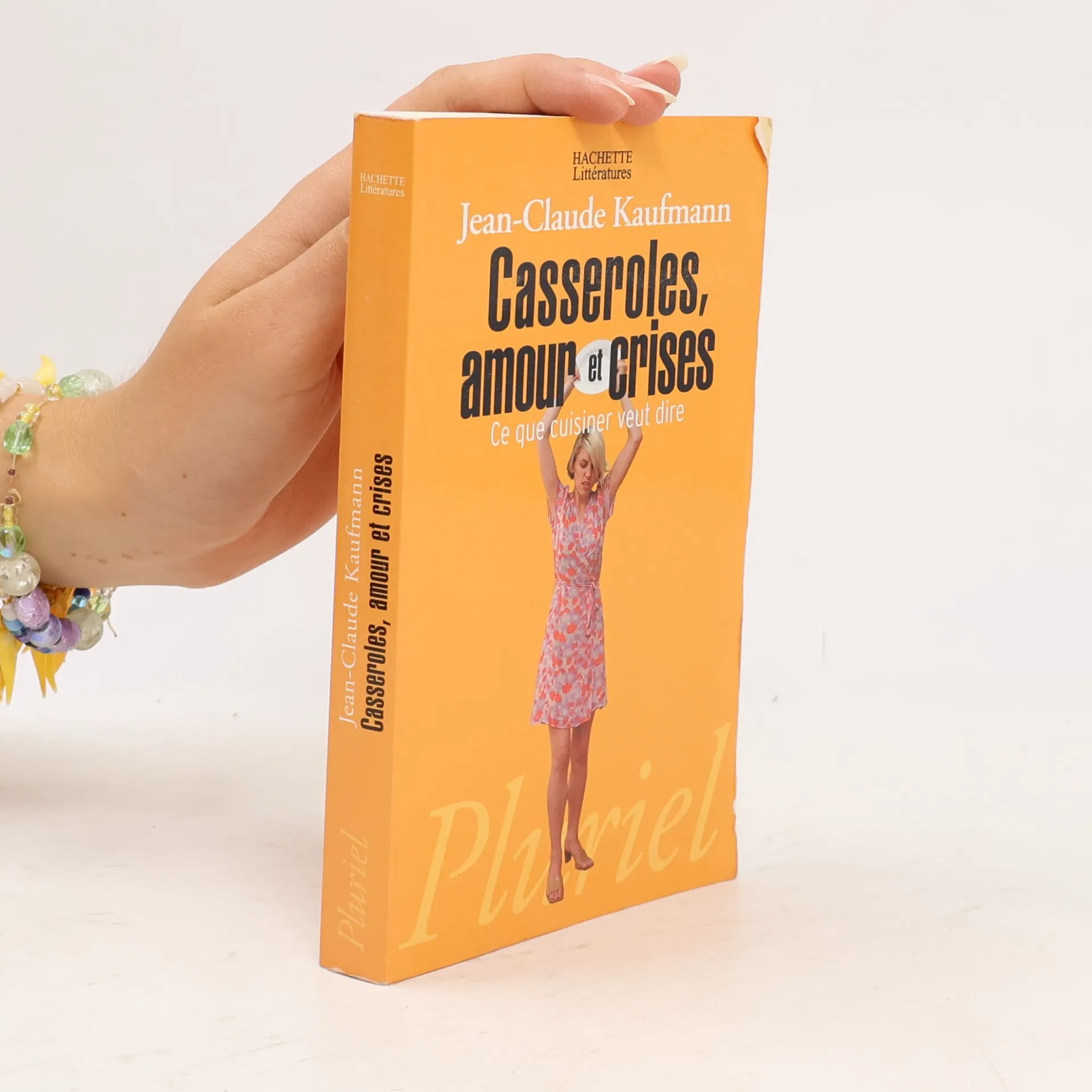
Casseroles, amour et crises
Ce que cuisiner veut dire
Autori
Hodnotenie knihy
Viac o knihe
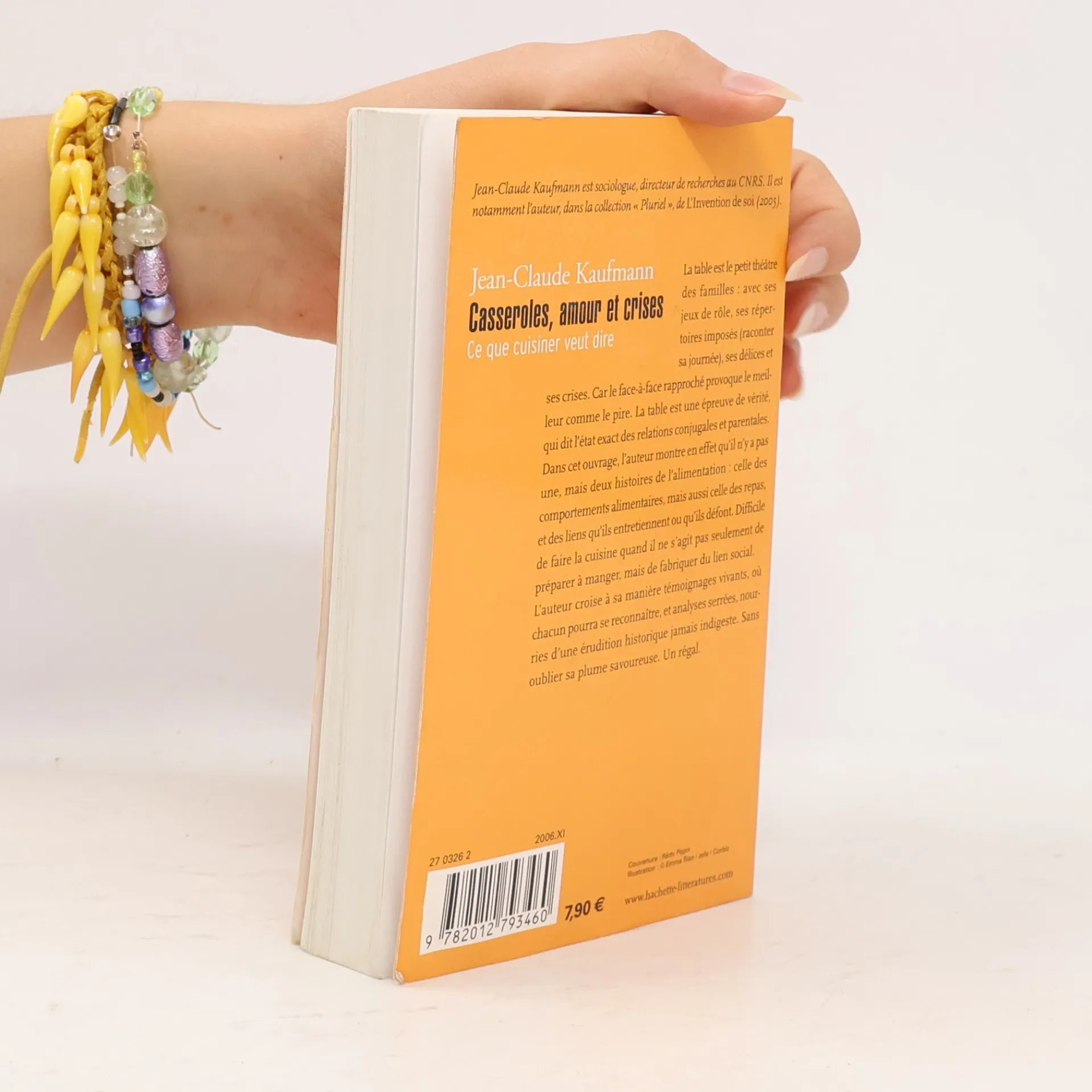
In 1785, James Boswell and Dr. Johnson sought a way to distinguish humans from animals, concluding that while animals possess memory and judgment, none can cook. Cooking, central to our lives, has often been overlooked by scholars. Boswell's insight highlights the kitchen as the heart of the home, with the dining table serving as a stage for family dynamics. The conversations that unfold—often starting with "How has your day been?"—reveal the complexities of relationships, exposing both joys and tensions. Eating together becomes an ordeal by truth, reflecting the state of conjugal and parental bonds. In this engaging exploration, French sociologist Jean-Claude Kaufmann delves into kitchens and dining rooms, unraveling the significance of food, cooking, and eating in family life. He offers a glimpse into the minds of cooks, revealing their often conflicting thoughts as they decide between quick meals and special creations. This decision-making process is intertwined with the forging of social relationships. Through a meticulous examination of everyday experiences, Kaufmann illustrates how we cultivate meaningful connections with our loved ones through the simple yet profound acts of creating and sharing meals.


Nákup knihy
Casseroles, amour et crises, Jean Claude Kaufmann
- Jazyk

- Rok vydania
- 2006
- Väzba
- (mäkká),
- Stav knihy
- Dobrá
- Cena
- 0,39 €
Doručenie
Platobné metódy
Tu nám chýba tvoja recenzia
- Titul
- Casseroles, amour et crises
- Podtitul
- Ce que cuisiner veut dire
- Jazyk
- francúzsky
- Autori
- Jean Claude Kaufmann
- Vydavateľ
- Hachette littératures
- Rok vydania
- 2006
- Väzba
- mäkká
- Počet strán
- 342
- ISBN10
- 2012793460
- ISBN13
- 9782012793460
- Série
- Kategórie
- Štítky
- Kuchárky, Vysokoškolské učebnice
- Pôvodný názov
- Casseroles, amour et crises
- Hodnotenie
- 3,15 z 5
- Anotácia
- In 1785, James Boswell and Dr. Johnson sought a way to distinguish humans from animals, concluding that while animals possess memory and judgment, none can cook. Cooking, central to our lives, has often been overlooked by scholars. Boswell's insight highlights the kitchen as the heart of the home, with the dining table serving as a stage for family dynamics. The conversations that unfold—often starting with "How has your day been?"—reveal the complexities of relationships, exposing both joys and tensions. Eating together becomes an ordeal by truth, reflecting the state of conjugal and parental bonds. In this engaging exploration, French sociologist Jean-Claude Kaufmann delves into kitchens and dining rooms, unraveling the significance of food, cooking, and eating in family life. He offers a glimpse into the minds of cooks, revealing their often conflicting thoughts as they decide between quick meals and special creations. This decision-making process is intertwined with the forging of social relationships. Through a meticulous examination of everyday experiences, Kaufmann illustrates how we cultivate meaningful connections with our loved ones through the simple yet profound acts of creating and sharing meals.