

Viac o knihe
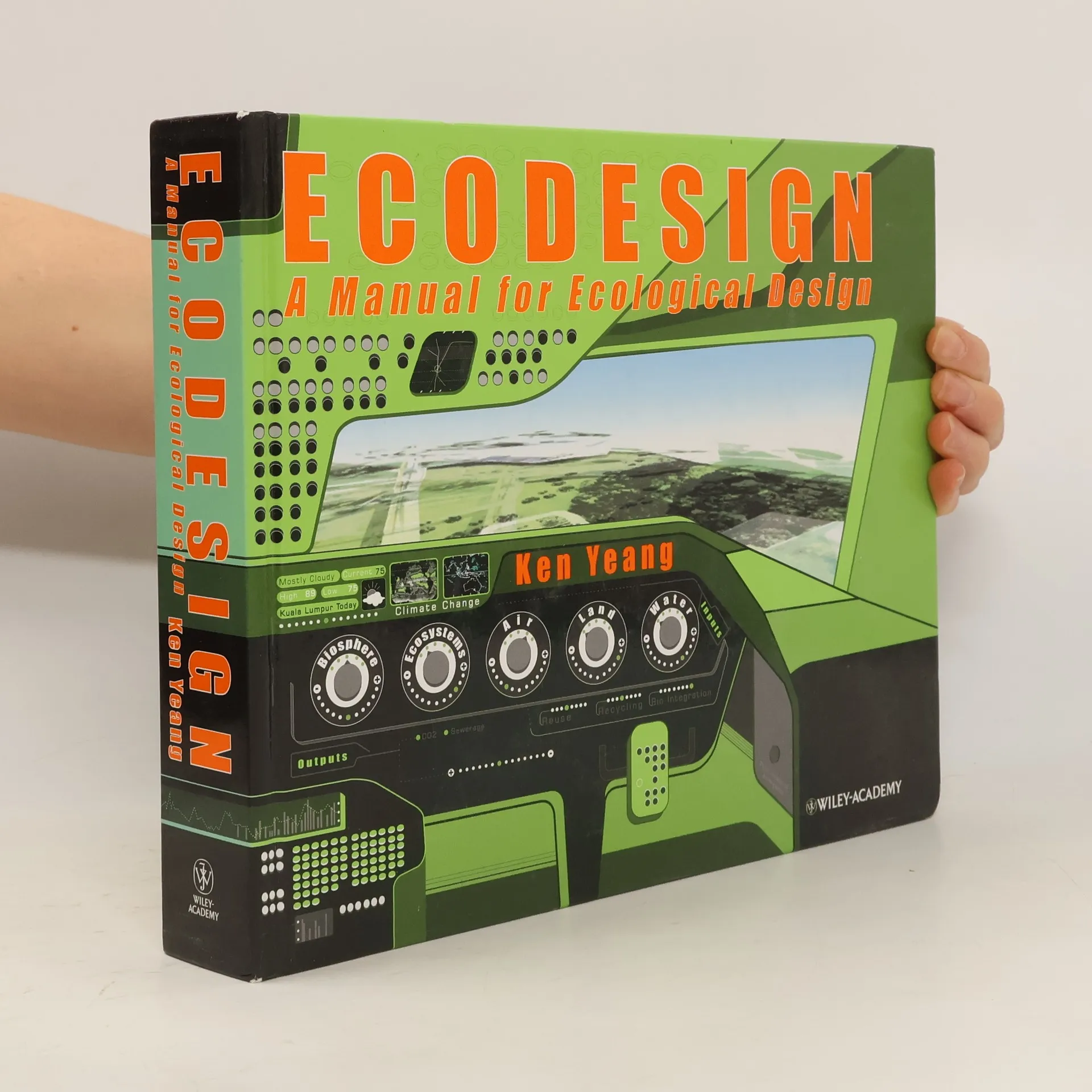
Addressing the environmental impact of our built environment is crucial for a sustainable future. Ken Yeang emphasizes the need for a radical shift in our design approach and perception of architecture to combat the fears of ecological devastation in this millennium. He advocates for an environmentalist perspective that views our surroundings as a collection of materials, often sourced from distant locations, concentrated in specific areas for living, working, and leisure. This concentration affects local ecology and necessitates careful disposal within the biosphere. The manual provides designers with practical guidance on creating green, sustainable architecture. It aims to develop ecosystem-like structures that harmonize with the natural environment, respecting local ecology and contributing positively to biodiversity. The focus is on low consumption of non-renewable resources, utilizing materials with minimal ecological impact, and promoting disassembly, reuse, and recycling—mimicking natural processes. Each aspect of this approach is explored in detail, highlighting its influence on design and planning. The text offers a comprehensive set of strategies for ecological design, along with in-depth analysis and research material that is unique in the field, equipping designers to create structures that can seamlessly reintegrate into the natural world at the end of their lifecycle.
Nákup knihy
Ecodesign, Ken Yeang
- Jazyk

- Rok vydania
- 2006
- Väzba
- (pevná)
Tu nám chýba tvoja recenzia
- Titul
- Ecodesign
- Podtitul
- A Manual for Ecological Design
- Jazyk
- anglicky
- Autori
- Ken Yeang
- Vydavateľ
- Academy Press
- Rok vydania
- 2006
- Väzba
- pevná
- Počet strán
- 500
- ISBN10
- 0470852917
- ISBN13
- 9780470852910
- Série
- Štítky
- Architektúra, Udržateľnosť
- Hodnotenie
- 4,25 z 5
- Anotácia
- Addressing the environmental impact of our built environment is crucial for a sustainable future. Ken Yeang emphasizes the need for a radical shift in our design approach and perception of architecture to combat the fears of ecological devastation in this millennium. He advocates for an environmentalist perspective that views our surroundings as a collection of materials, often sourced from distant locations, concentrated in specific areas for living, working, and leisure. This concentration affects local ecology and necessitates careful disposal within the biosphere. The manual provides designers with practical guidance on creating green, sustainable architecture. It aims to develop ecosystem-like structures that harmonize with the natural environment, respecting local ecology and contributing positively to biodiversity. The focus is on low consumption of non-renewable resources, utilizing materials with minimal ecological impact, and promoting disassembly, reuse, and recycling—mimicking natural processes. Each aspect of this approach is explored in detail, highlighting its influence on design and planning. The text offers a comprehensive set of strategies for ecological design, along with in-depth analysis and research material that is unique in the field, equipping designers to create structures that can seamlessly reintegrate into the natural world at the end of their lifecycle.