

Viac o knihe
All civilizations, ancient and modern, are founded on agriculture. In this fascinating account of one of the most fundamental aspects of humankind's march from prehistory to the present day, the author considers the evidence for the origin and evolution of agriculture in various parts of the world and presents a balanced view based on the archaeology, botany, genetics, ecology and anthropology of domesticates and their wild relatives. The book describes the basic agricultural systems that emerged from areas yielding traces of the earliest plant and animal domestication and considers their drastic modification in recent times. The present situation is reviewed and the possible risks of a system that now relies on a relatively small number of species to supply the majority of our food are discussed in a concluding chapter. This book will interest professionals in the fields of agriculture, archaeology, and anthropology.
Nákup knihy
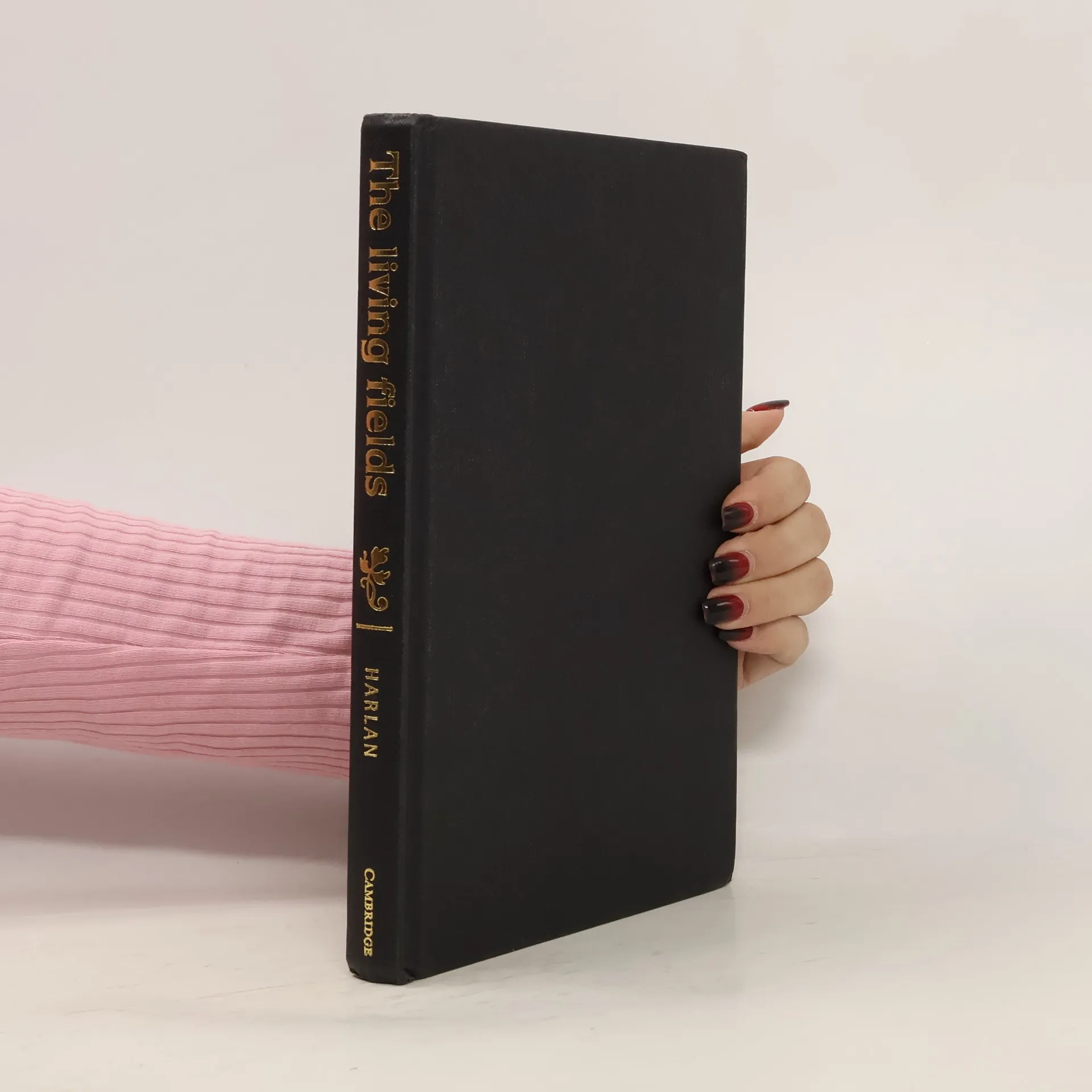
The Living Fields, Jack Rodney Harlan
- Jazyk

- Rok vydania
- 1995
- Väzba
- (pevná)
Tu nám chýba tvoja recenzia
- Titul
- The Living Fields
- Podtitul
- Our Agricultural Heritage
- Jazyk
- anglicky
- Autori
- Jack Rodney Harlan
- Vydavateľ
- Cambridge University Press
- Rok vydania
- 1995
- Väzba
- pevná
- Počet strán
- 288
- ISBN10
- 0521401127
- ISBN13
- 9780521401128
- Série
- Kategórie
- Štítky
- Historické téma, Príroda, Prírodné vedy
- Hodnotenie
- 4,5 z 5
- Anotácia
- All civilizations, ancient and modern, are founded on agriculture. In this fascinating account of one of the most fundamental aspects of humankind's march from prehistory to the present day, the author considers the evidence for the origin and evolution of agriculture in various parts of the world and presents a balanced view based on the archaeology, botany, genetics, ecology and anthropology of domesticates and their wild relatives. The book describes the basic agricultural systems that emerged from areas yielding traces of the earliest plant and animal domestication and considers their drastic modification in recent times. The present situation is reviewed and the possible risks of a system that now relies on a relatively small number of species to supply the majority of our food are discussed in a concluding chapter. This book will interest professionals in the fields of agriculture, archaeology, and anthropology.