

Viac o knihe
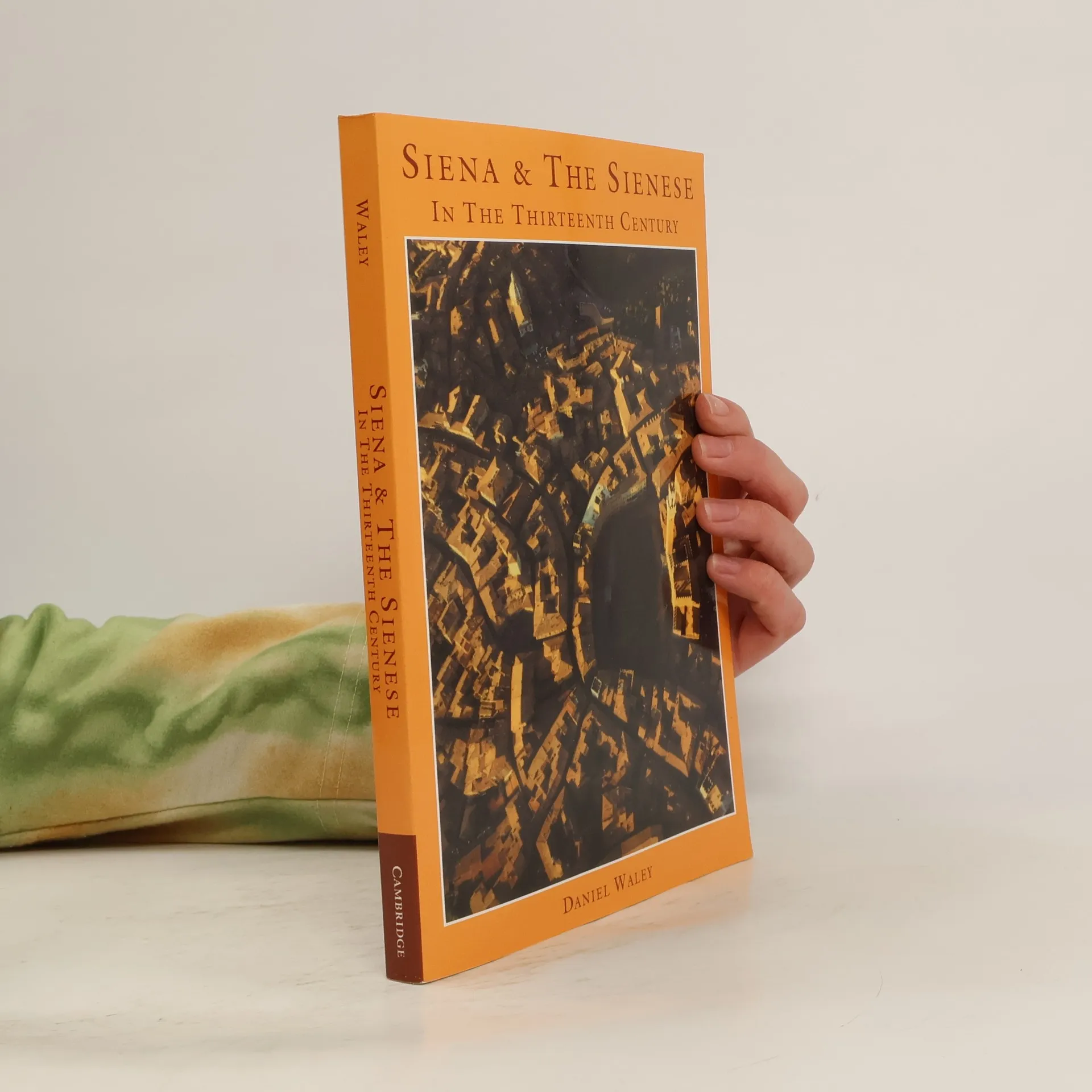
This 1991 book portrays the life and institutions of a great medieval Italian city, Siena, through the surviving records and buildings of the period. Laws, council minutes, records of the commune's revenue and expenditure, wills and other charters from the thirteenth century are among the plentiful material which makes up the picture of the city republic's institutions and those who ran them. The main themes are the political institutions of the city, and the involvement of the citizens in them. The religion of the Sienese is also investigated. This is a portrait of a special, but not untypical, society which was engaged in an experiment in oligarchic self-government. Although the milieu was urban, Siena's bankers and tradesmen, craftsmen and those involved in transport and agricultural labour, were in many cases landowners: the city was dependent on and greatly involved with its rural environment. The precocity of the commune's governmental methods and the wealth of information that has survived mean that the medieval life of this famous and beautiful Tuscan city can be depicted in full and convincing detail.


Nákup knihy
Siena and the Sienese in the Thirteenth Century, Daniel Philip Waley
- Jazyk

- Rok vydania
- 2006
- Väzba
- (mäkká)
Platobné metódy
Tu nám chýba tvoja recenzia
- Jazyk
- anglicky
- Autori
- Daniel Philip Waley
- Vydavateľ
- Cambridge University Press
- Rok vydania
- 2006
- Väzba
- mäkká
- Počet strán
- 248
- ISBN10
- 0521024692
- ISBN13
- 9780521024693
- Série
- Štítky
- Náučná literatúra, História, Taliansko, Južná Európa, Európa, Stredovek, Dejiny Európy, Historické pramene
- Hodnotenie
- 4,5 z 5
- Anotácia
- This 1991 book portrays the life and institutions of a great medieval Italian city, Siena, through the surviving records and buildings of the period. Laws, council minutes, records of the commune's revenue and expenditure, wills and other charters from the thirteenth century are among the plentiful material which makes up the picture of the city republic's institutions and those who ran them. The main themes are the political institutions of the city, and the involvement of the citizens in them. The religion of the Sienese is also investigated. This is a portrait of a special, but not untypical, society which was engaged in an experiment in oligarchic self-government. Although the milieu was urban, Siena's bankers and tradesmen, craftsmen and those involved in transport and agricultural labour, were in many cases landowners: the city was dependent on and greatly involved with its rural environment. The precocity of the commune's governmental methods and the wealth of information that has survived mean that the medieval life of this famous and beautiful Tuscan city can be depicted in full and convincing detail.