

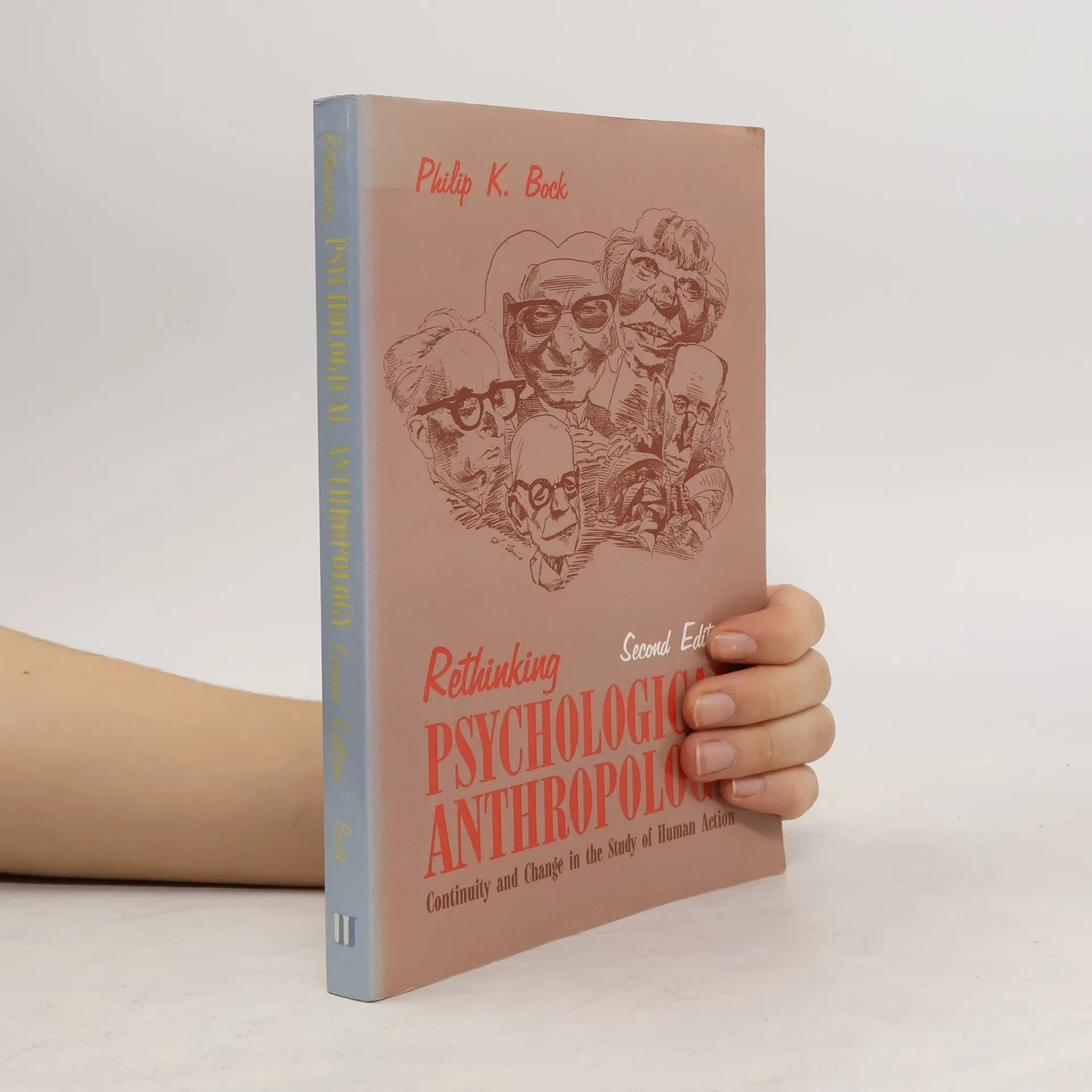
Rethinking Psychological Anthropology
Continuity and Change in the Study of Human Action - Second Edition
Autori
Hodnotenie knihy
Viac o knihe
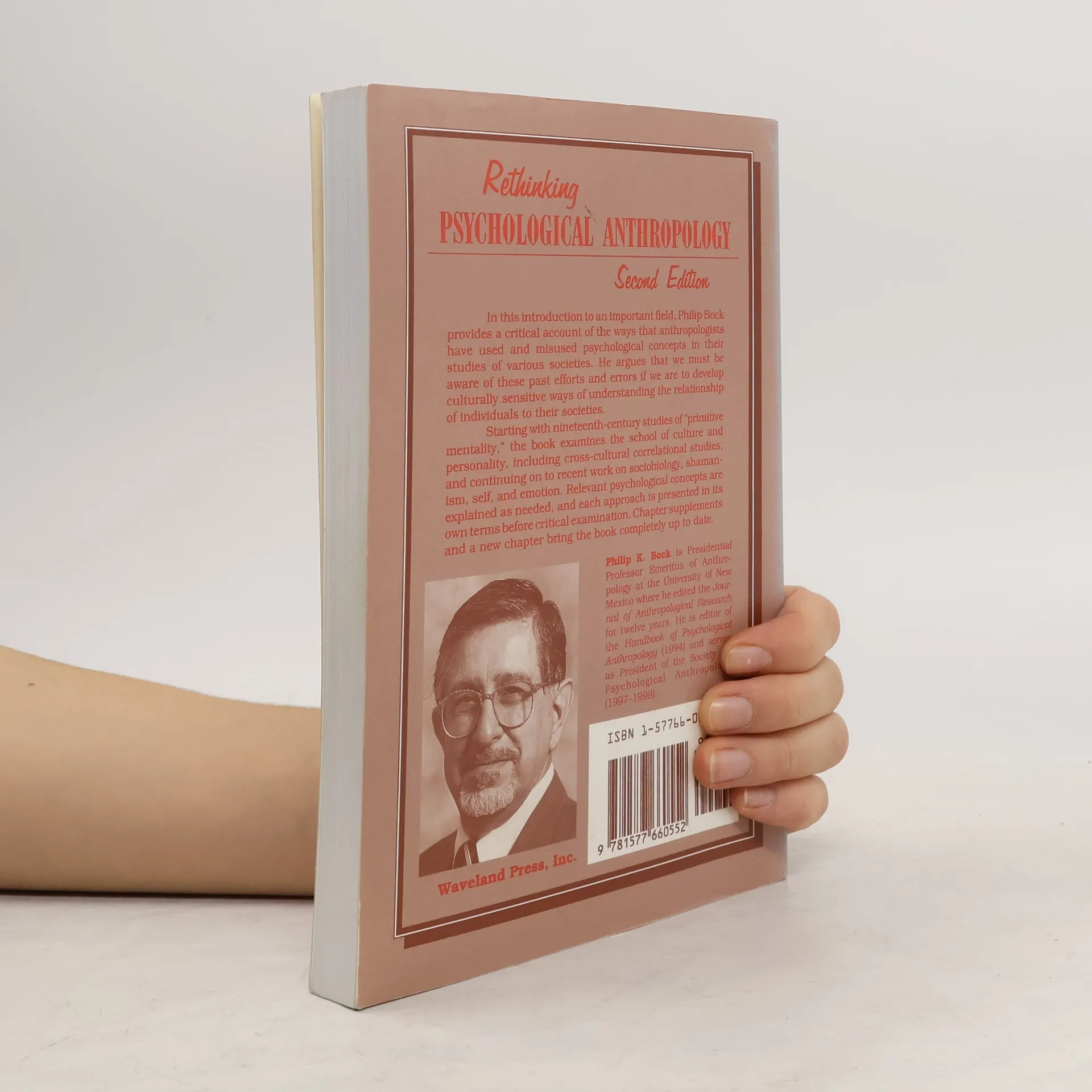
In this introduction to an important field, Philip Bock provides a critical account of the ways that anthropologists have used and misused psychological concepts in their studies of various societies. He argues that we must be aware of these past efforts and errors if we are to develop culturally sensitive ways of understanding the relationship of individuals to their societies. Starting with nineteenth-century studies of "primitive mentality," the book examines the school of culture and personality, including cross-cultural correlational studies, and continuing on to recent work on sociobiology, shamanism, self, and emotion. Relevant psycho- logical concepts are explained as needed, and each approach is presented in its own terms before critical examination. Chapter supplements and a new chapter bring the book completely up to date.


Nákup knihy
Rethinking Psychological Anthropology, Philip K. Bock
- Jazyk

- Rok vydania
- 1999
- product-detail.submit-box.info.binding
- (mäkká)
Platobné metódy
Tu nám chýba tvoja recenzia
- Podtitul
- Continuity and Change in the Study of Human Action - Second Edition
- Jazyk
- anglicky
- Autori
- Philip K. Bock
- Vydavateľ
- Waveland Press
- Rok vydania
- 1999
- Väzba
- mäkká
- Počet strán
- 309
- ISBN10
- 1577660552
- ISBN13
- 9781577660552
- Série
- Hodnotenie
- 3,55 z 5
- Anotácia
- In this introduction to an important field, Philip Bock provides a critical account of the ways that anthropologists have used and misused psychological concepts in their studies of various societies. He argues that we must be aware of these past efforts and errors if we are to develop culturally sensitive ways of understanding the relationship of individuals to their societies. Starting with nineteenth-century studies of "primitive mentality," the book examines the school of culture and personality, including cross-cultural correlational studies, and continuing on to recent work on sociobiology, shamanism, self, and emotion. Relevant psycho- logical concepts are explained as needed, and each approach is presented in its own terms before critical examination. Chapter supplements and a new chapter bring the book completely up to date.