

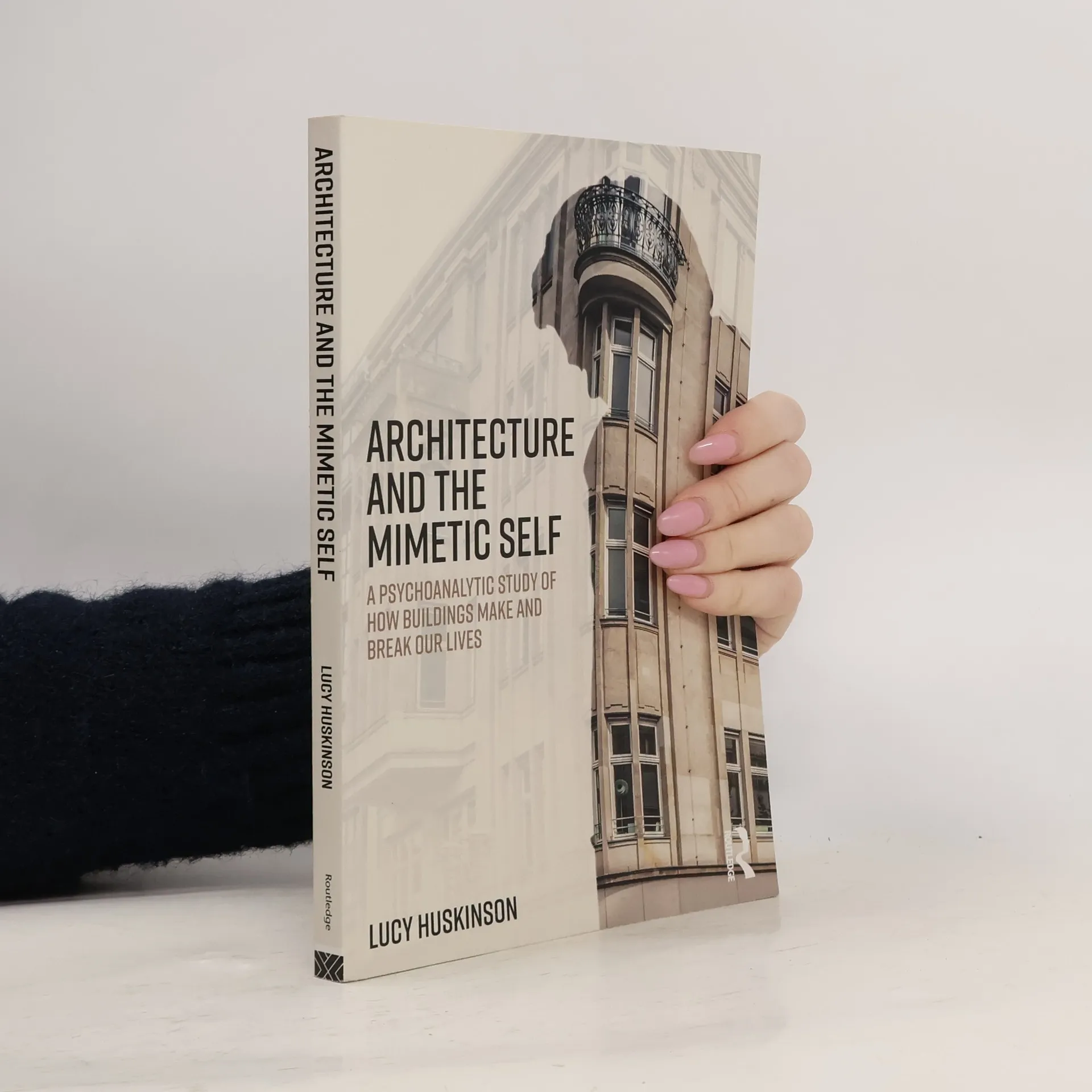


Architecture and the Mimetic Self
A Psychoanalytic Study of How Buildings Make and Break Our Lives
Autori
Hodnotenie knihy
Parametre
- 266 stránok
- 10 hodin čítania
Viac o knihe
Buildings profoundly shape our identity and sense of self, often in ways that architects and planners may overlook. This work serves as a theoretical guide to our unconscious behaviors regarding architecture, explaining our attraction to specific design elements. It highlights how even uninspiring structures can be adapted to meet our unconscious expectations, and conversely, how failing to do so can impact our wellbeing. Traditional criteria for architectural design focus on utilitarian and aesthetic principles such as function, efficiency, cost, and visual appeal, but these often neglect the deeper needs of occupants. Misunderstandings abound, as our responses to architecture are frequently difficult to quantify and largely unconscious. By merging psychoanalytic thought with architectural theory, this text shifts the focus from interpersonal human relations to the essential connections we form with our nonhuman environments. It offers insights into the unconscious behaviors relevant for assessing architectural design and illustrates how our interactions with the built environment contribute to a broader psychoanalytic understanding of human relationships and identity. This exploration will resonate with psychoanalysts, architects, and anyone interested in the intersections of psychology and architecture.
Nákup knihy
Architecture and the Mimetic Self, Lucy Huskinson
- Jazyk

- Rok vydania
- 2018
- Väzba
- (mäkká)
Doručenie
Platobné metódy
Tu nám chýba tvoja recenzia
- Titul
- Architecture and the Mimetic Self
- Podtitul
- A Psychoanalytic Study of How Buildings Make and Break Our Lives
- Jazyk
- anglicky
- Autori
- Lucy Huskinson
- Vydavateľ
- Routledge
- Rok vydania
- 2018
- Väzba
- mäkká
- Počet strán
- 266
- ISBN10
- 0415693047
- ISBN13
- 9780415693042
- Série
- Kategórie
- Štítky
- Psychologická tematika, Príručky a návody, Umenie, Architektúra, USA, Medicína, Odborná literatúra, Duševné zdravie, Psychoterapia, Psychoanalýza, Kritika, Telo, Klinická psychológia, Psychologické aspekty, Teória architektúry, Bytie, Nevedomie
- Hodnotenie
- 3,65 z 5
- Anotácia
- Buildings profoundly shape our identity and sense of self, often in ways that architects and planners may overlook. This work serves as a theoretical guide to our unconscious behaviors regarding architecture, explaining our attraction to specific design elements. It highlights how even uninspiring structures can be adapted to meet our unconscious expectations, and conversely, how failing to do so can impact our wellbeing. Traditional criteria for architectural design focus on utilitarian and aesthetic principles such as function, efficiency, cost, and visual appeal, but these often neglect the deeper needs of occupants. Misunderstandings abound, as our responses to architecture are frequently difficult to quantify and largely unconscious. By merging psychoanalytic thought with architectural theory, this text shifts the focus from interpersonal human relations to the essential connections we form with our nonhuman environments. It offers insights into the unconscious behaviors relevant for assessing architectural design and illustrates how our interactions with the built environment contribute to a broader psychoanalytic understanding of human relationships and identity. This exploration will resonate with psychoanalysts, architects, and anyone interested in the intersections of psychology and architecture.