


Viac o knihe
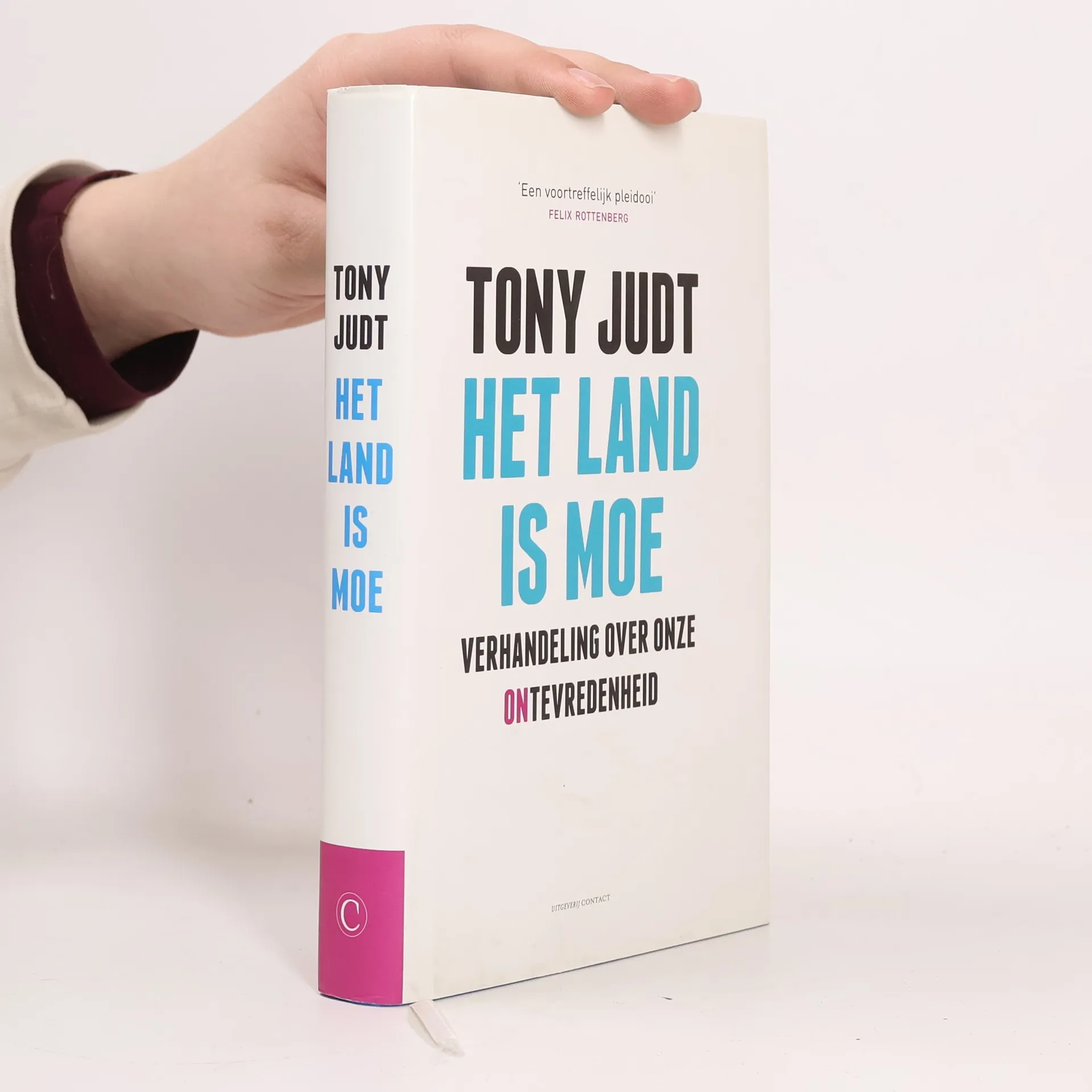
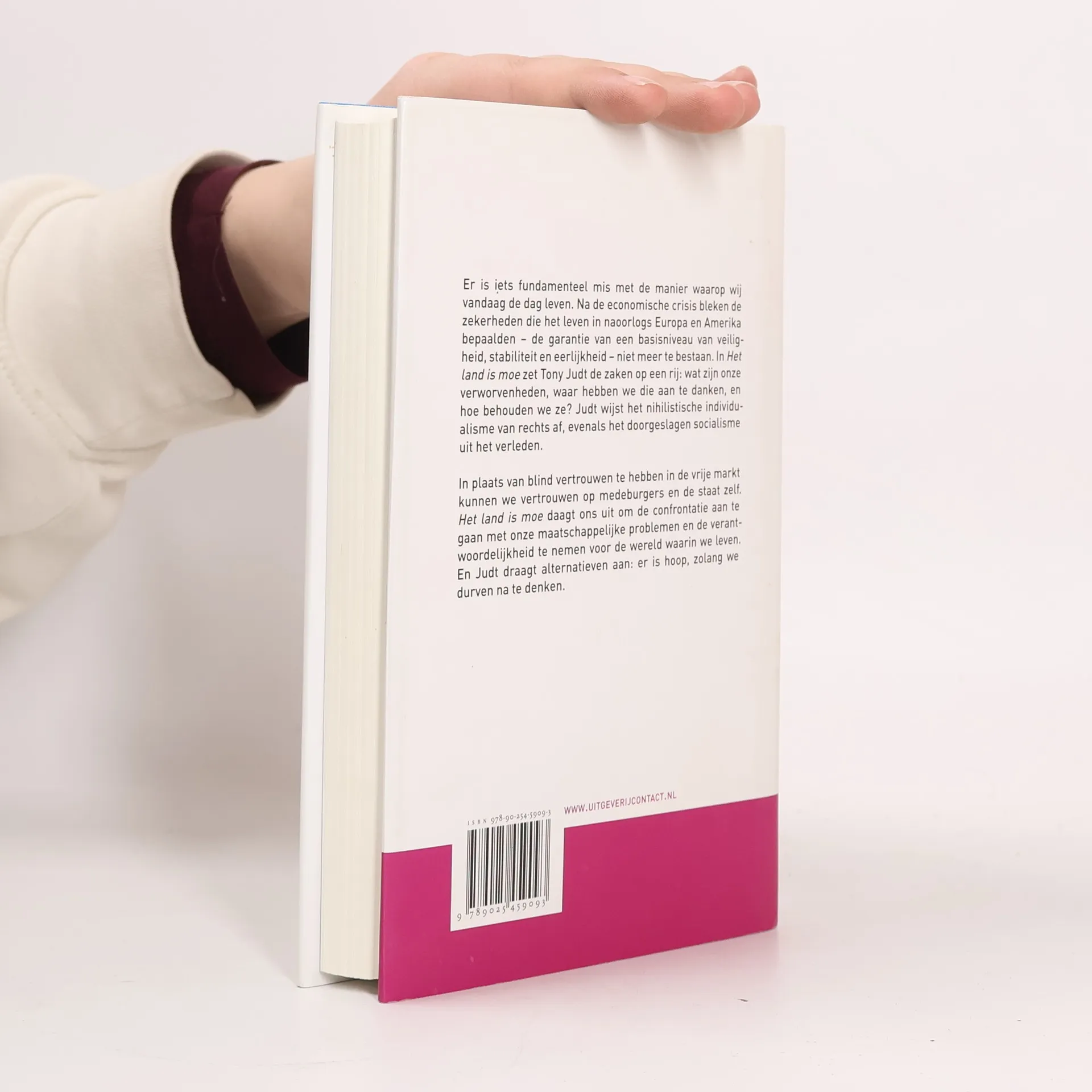
Something is profoundly wrong with our contemporary way of living. In this insightful work, Tony Judt, a prominent historian and thinker, examines how we've reached this confusing moment. He articulates the collective unease regarding the current state of affairs, particularly highlighted by the 2008 economic collapse, which exposed the fragility of the postwar social contract that promised security, stability, and fairness. This contract is now absent from public discourse. Judt provides the necessary language to address our shared needs, opposing the nihilistic individualism of the far right and the outdated socialism of the past. To move forward, we must draw lessons from our recent history and embrace social democracy, prioritizing fairness over mere efficiency. Social democrats advocate for an enhanced role of the state in our lives without compromising our freedoms. Rather than placing blind faith in the market, as we have done for the past three decades, they emphasize trust in citizens and the state. This work challenges us to confront societal issues and take responsibility for our world. Hope persists, and by reintroducing alternatives to the status quo, Judt revitalizes our political dialogue, equipping us with the tools to envision a new governance and way of life.
Nákup knihy
Het Land is Moe, Tony Robert Judt, Wybrand Scheffer
- Jazyk

- Rok vydania
- 2010
- Väzba
- (pevná),
- Stav knihy
- Dobrá
- Cena
- 0,33 €
Doručenie
Platobné metódy
Tu nám chýba tvoja recenzia
- Titul
- Het Land is Moe
- Podtitul
- Verhandeling over onze Ontevredenheid - Druk 3
- Jazyk
- holandsky
- Autori
- Tony Robert Judt, Wybrand Scheffer
- Vydavateľ
- Contact
- Rok vydania
- 2010
- Väzba
- pevná
- Počet strán
- 238
- ISBN10
- 9025459099
- ISBN13
- 9789025459093
- Série
- Kategórie
- Hodnotenie
- 3,9 z 5
- Anotácia
- Something is profoundly wrong with our contemporary way of living. In this insightful work, Tony Judt, a prominent historian and thinker, examines how we've reached this confusing moment. He articulates the collective unease regarding the current state of affairs, particularly highlighted by the 2008 economic collapse, which exposed the fragility of the postwar social contract that promised security, stability, and fairness. This contract is now absent from public discourse. Judt provides the necessary language to address our shared needs, opposing the nihilistic individualism of the far right and the outdated socialism of the past. To move forward, we must draw lessons from our recent history and embrace social democracy, prioritizing fairness over mere efficiency. Social democrats advocate for an enhanced role of the state in our lives without compromising our freedoms. Rather than placing blind faith in the market, as we have done for the past three decades, they emphasize trust in citizens and the state. This work challenges us to confront societal issues and take responsibility for our world. Hope persists, and by reintroducing alternatives to the status quo, Judt revitalizes our political dialogue, equipping us with the tools to envision a new governance and way of life.