

Viac o knihe
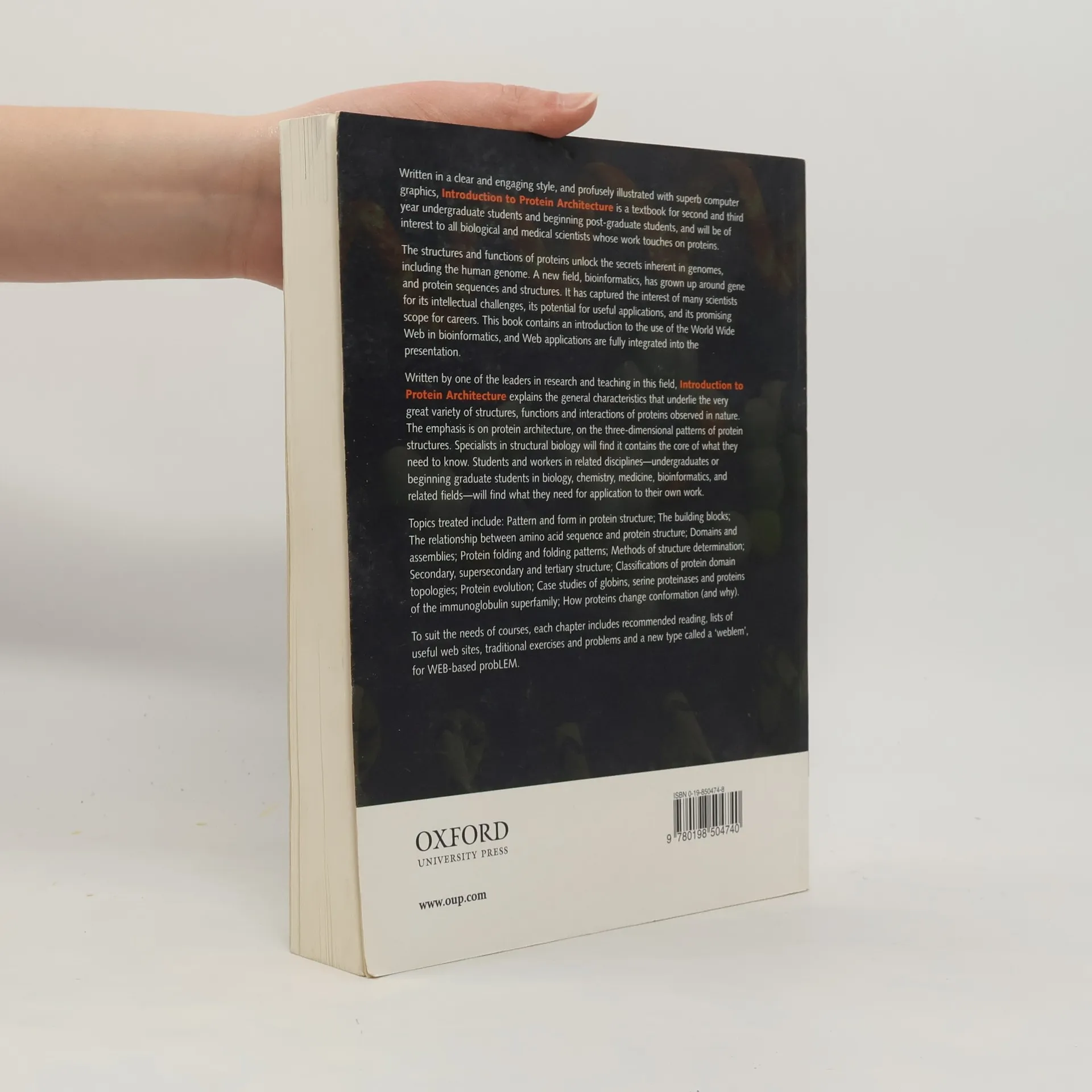
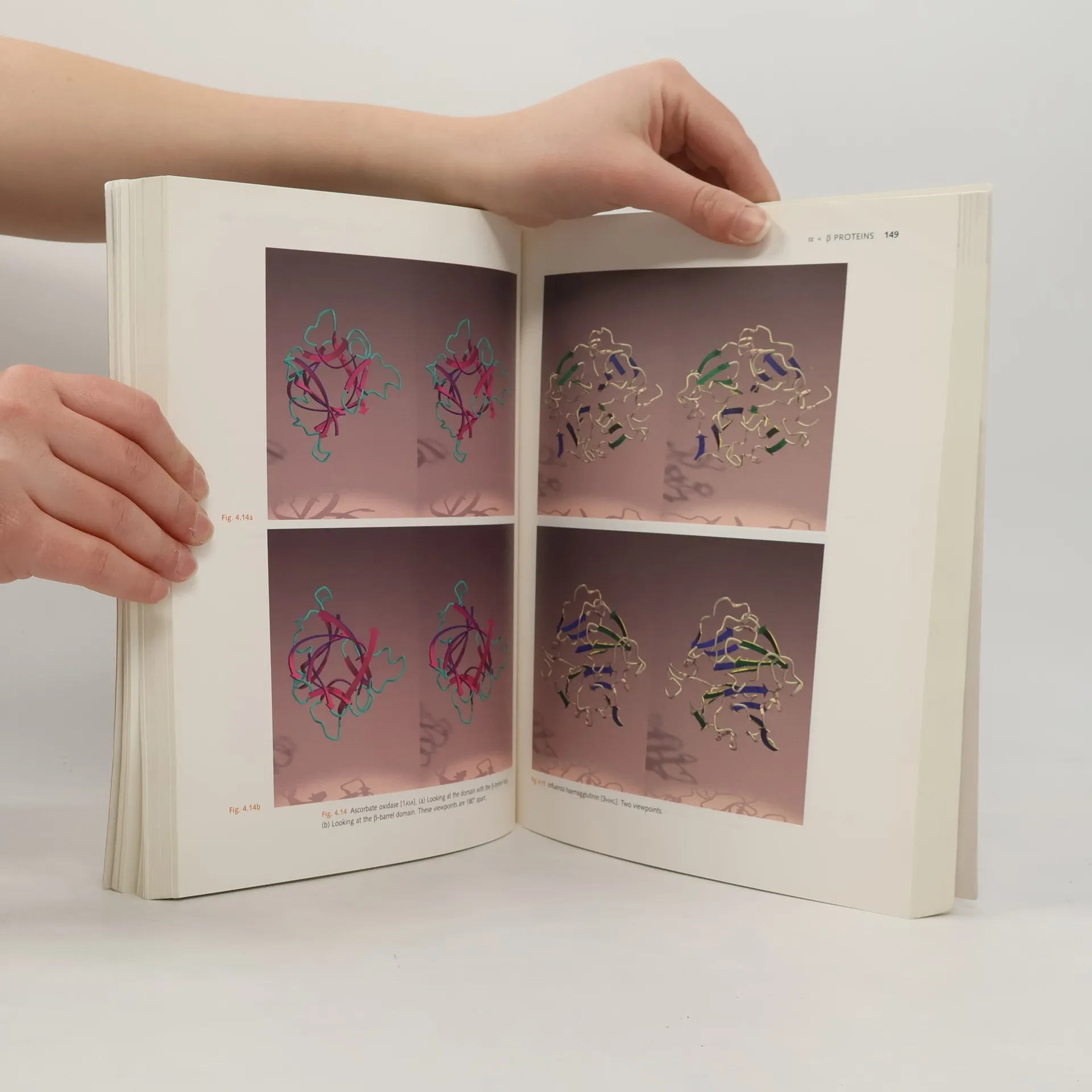
Written in a clear and engaging style, this textbook is designed for second and third year undergraduate students, as well as beginning post-graduate students, and will interest all biological and medical scientists whose work involves proteins. It emphasizes protein architecture, focusing on proteins as three-dimensional patterns. The emerging field of bioinformatics, which revolves around gene and protein sequences and structures, has attracted many scientists due to its intellectual challenges and potential applications. The book introduces the use of the World Wide Web in bioinformatics and is authored by a leader in the field. It explains the general characteristics of proteins that contribute to the diverse folding patterns found in nature. For specialists in structural biology, it provides essential information, while students in biology, chemistry, medicine, and related fields will find applicable knowledge for their work. Key topics include patterns and forms in protein structure, the relationship between amino acid sequences and protein structure, classifications of protein folding patterns, protein evolution, and conformational changes in proteins. Each chapter includes recommended readings, useful web resources, traditional exercises, and innovative web-based exercises called weblems.
Nákup knihy
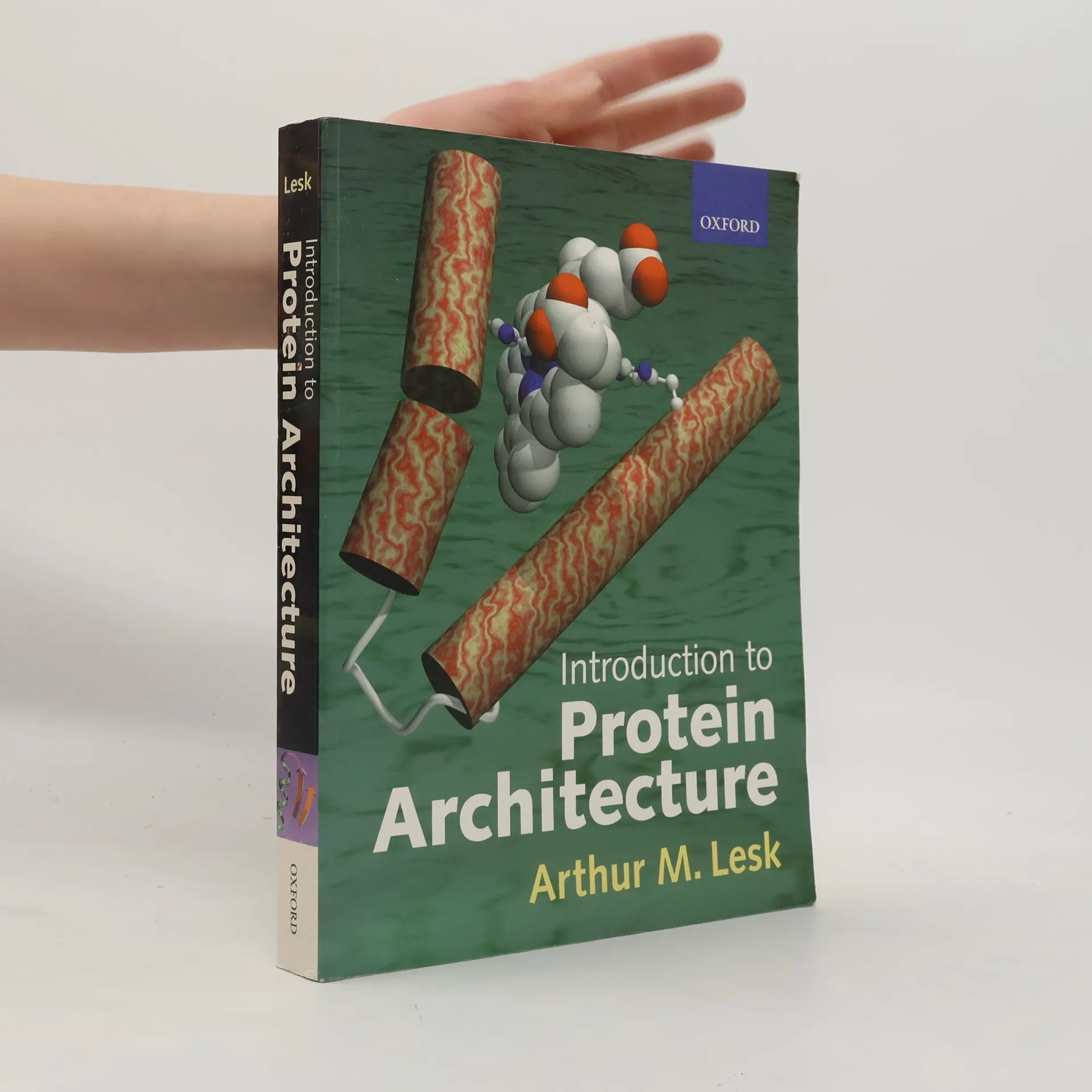
Introduction to Protein Architecture, Arthur Lesk
- Jazyk

- Rok vydania
- 2000
- Väzba
- (mäkká)
Tu nám chýba tvoja recenzia
- Titul
- Introduction to Protein Architecture
- Podtitul
- The Structural Biology of Proteins
- Jazyk
- anglicky
- Autori
- Arthur Lesk
- Vydavateľ
- Oxford University Press
- Rok vydania
- 2000
- Väzba
- mäkká
- Počet strán
- 360
- ISBN10
- 0198504748
- ISBN13
- 9780198504740
- Série
- Hodnotenie
- 3,65 z 5
- Anotácia
- Written in a clear and engaging style, this textbook is designed for second and third year undergraduate students, as well as beginning post-graduate students, and will interest all biological and medical scientists whose work involves proteins. It emphasizes protein architecture, focusing on proteins as three-dimensional patterns. The emerging field of bioinformatics, which revolves around gene and protein sequences and structures, has attracted many scientists due to its intellectual challenges and potential applications. The book introduces the use of the World Wide Web in bioinformatics and is authored by a leader in the field. It explains the general characteristics of proteins that contribute to the diverse folding patterns found in nature. For specialists in structural biology, it provides essential information, while students in biology, chemistry, medicine, and related fields will find applicable knowledge for their work. Key topics include patterns and forms in protein structure, the relationship between amino acid sequences and protein structure, classifications of protein folding patterns, protein evolution, and conformational changes in proteins. Each chapter includes recommended readings, useful web resources, traditional exercises, and innovative web-based exercises called weblems.