

Parametre
- 208 stránok
- 8 hodin čítania
Viac o knihe
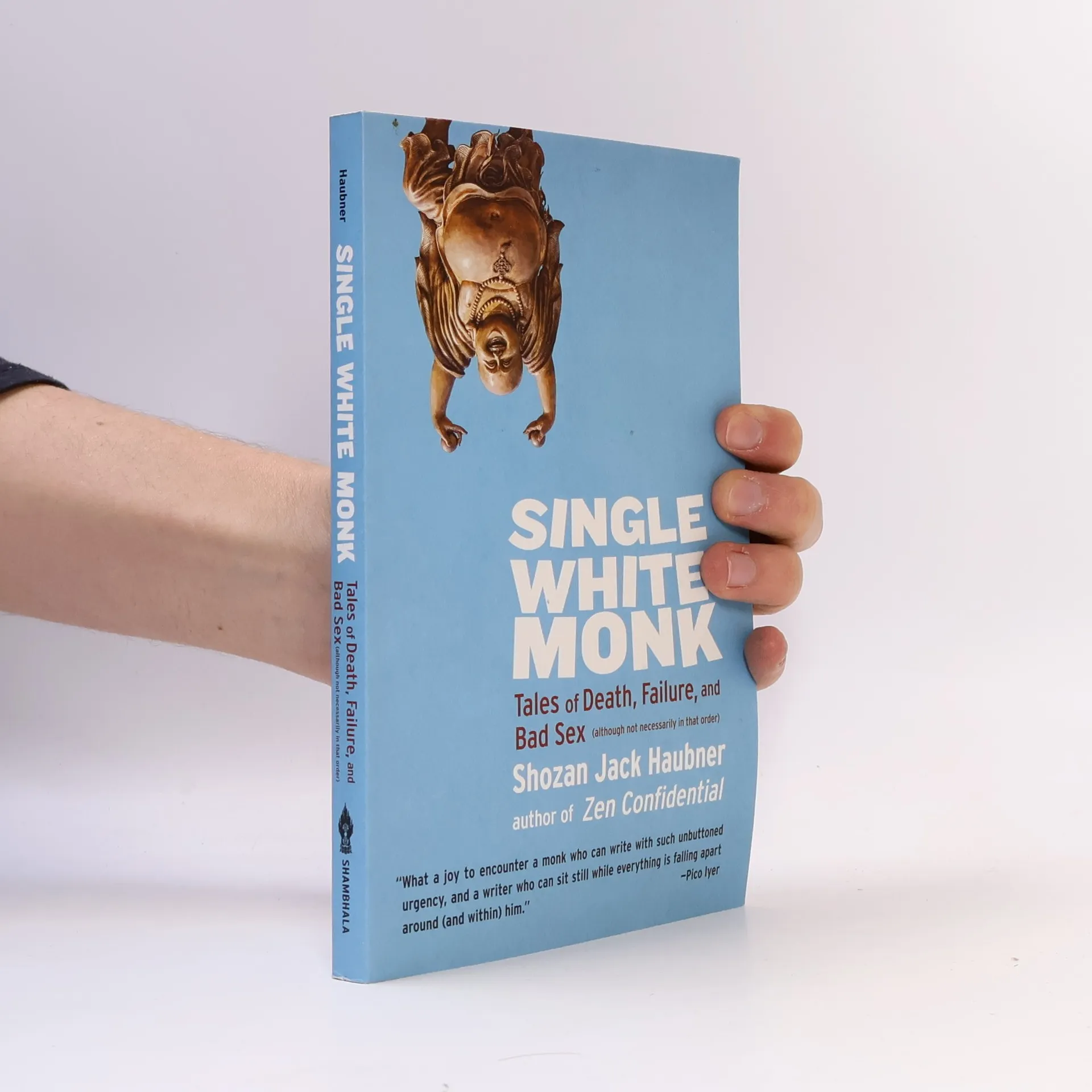
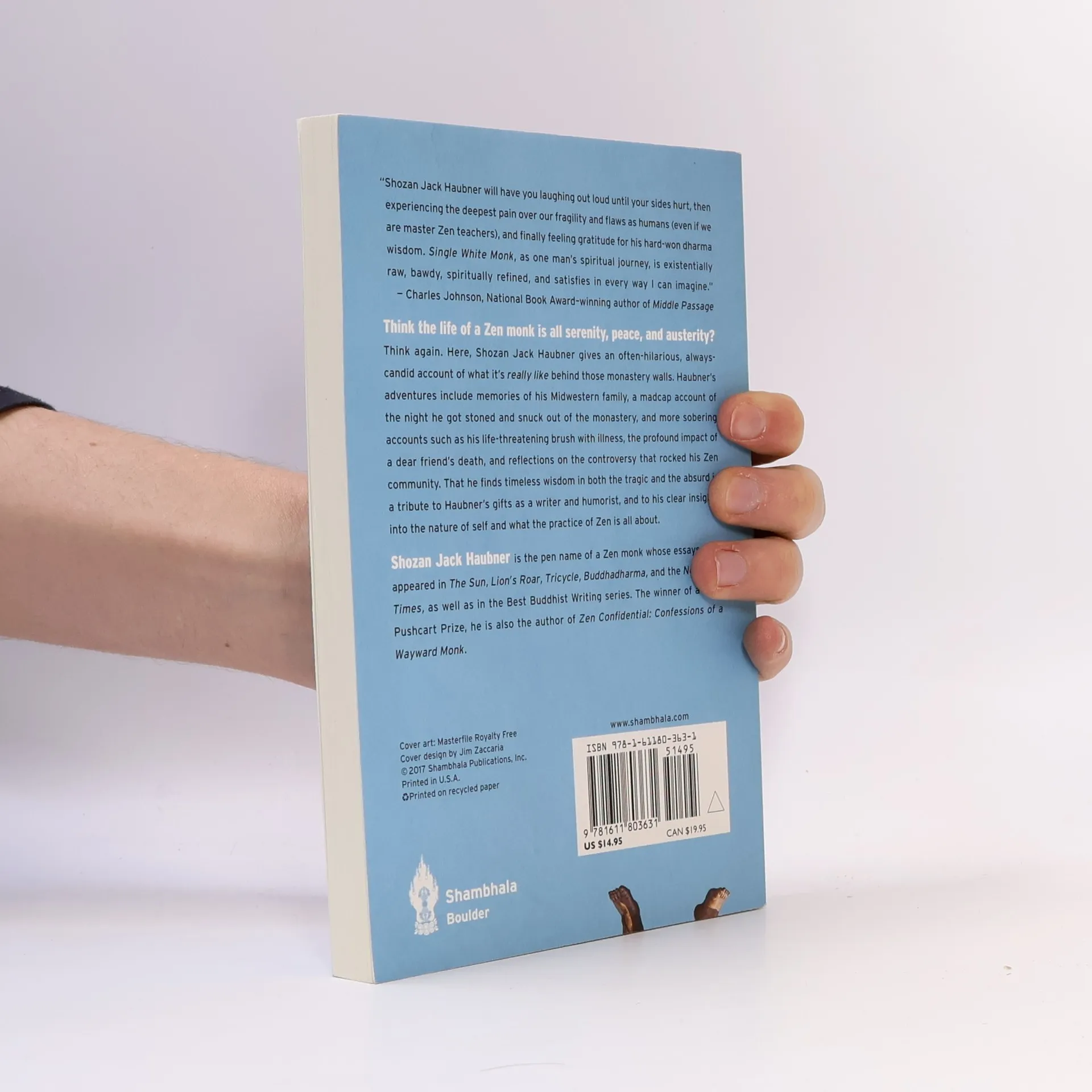
Think the life of a Zen monk is all serenity, peace, and austerity? Think again. Here, Shozan Jack Haubner gives an often-hilarious, always-candid account of what it’s really like behind those monastery walls. Haubner’s adventures include memories of his dysfunctional Midwestern family that drove him ultimately to declare, “I think I should be a monk!” to a madcap account of the night he got stoned and snuck out of the monastery, alongside more sobering accounts such as his life-threatening brush with illness, the profound impact of a dear friend’s death, and reflections on the controversy that rocked his Zen community. That he finds timeless wisdom in both the tragic and the absurd is a tribute to Haubner's gifts as a writer and humorist, and to his clear insights into the nature of self and what the practice of Zen is all about.
Nákup knihy
Single White Monk, Shozan Jack Haubner
- Jazyk

- Rok vydania
- 2017
- Väzba
- (mäkká)
Tu nám chýba tvoja recenzia
- Titul
- Single White Monk
- Jazyk
- anglicky
- Autori
- Shozan Jack Haubner
- Vydavateľ
- Shambhala Publications Inc
- Rok vydania
- 2017
- Väzba
- mäkká
- Počet strán
- 208
- ISBN10
- 1611803632
- ISBN13
- 9781611803631
- Série
- Kategórie
- Štítky
- Náboženské témy, Humor, Filozofická tematika, Spiritualita, USA, Vzťahy, Komedie, Písanie, Kultúra, Zen, Buddha
- Hodnotenie
- 3,5 z 5
- Anotácia
- Think the life of a Zen monk is all serenity, peace, and austerity? Think again. Here, Shozan Jack Haubner gives an often-hilarious, always-candid account of what it’s really like behind those monastery walls. Haubner’s adventures include memories of his dysfunctional Midwestern family that drove him ultimately to declare, “I think I should be a monk!” to a madcap account of the night he got stoned and snuck out of the monastery, alongside more sobering accounts such as his life-threatening brush with illness, the profound impact of a dear friend’s death, and reflections on the controversy that rocked his Zen community. That he finds timeless wisdom in both the tragic and the absurd is a tribute to Haubner's gifts as a writer and humorist, and to his clear insights into the nature of self and what the practice of Zen is all about.