



Parametre
- 727 stránok
- 26 hodin čítania
Viac o knihe
Climate change presents perhaps the most profound challenge ever confronted by human society. This volume is a definitive analysis drawing on the best thinking on questions of how climate change affects human systems, and how societies can, do, and should respond. Key topics covered include the history of the issues, social and political reception of climate science, the denial of that science by individuals and organized interests, the nature of the social disruptions caused by climate change, the economics of those disruptions and possible responses to them, questions of human security and social justice, obligations to future generations, policy instruments for reducing greenhouse gas emissions, and governance at local, regional, national, international, and global levels.
Nákup knihy
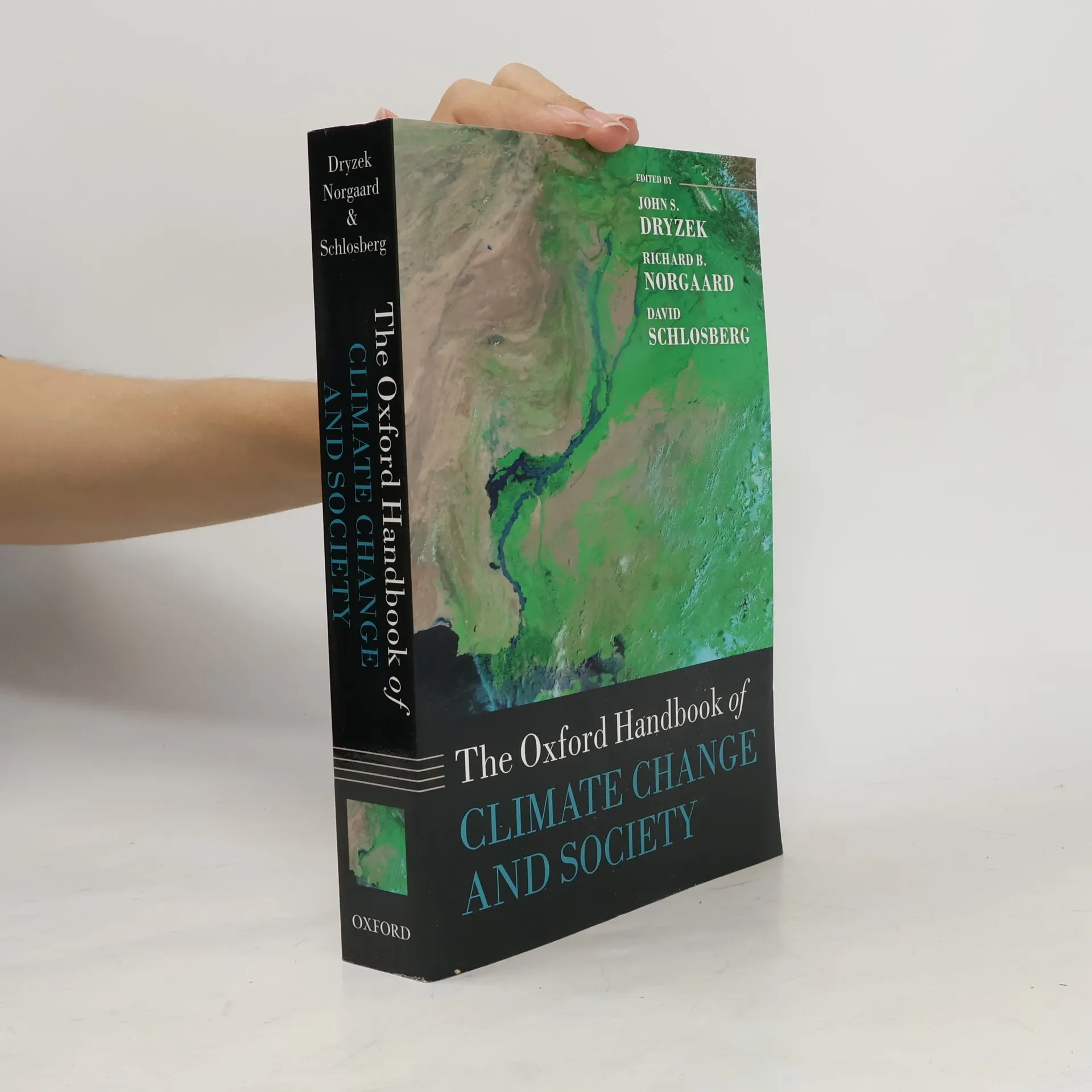
The Oxford Handbook of Climate Change and Society, John S Dryzek, Richard B. Norgaard, David Schlosberg
- Jazyk

- Rok vydania
- 2013
- Väzba
- (mäkká)
Nikto zatiaľ neohodnotil.
- Titul
- The Oxford Handbook of Climate Change and Society
- Jazyk
- anglicky
- Vydavateľ
- Oxford University Press
- Rok vydania
- 2013
- Väzba
- mäkká
- Počet strán
- 727
- ISBN10
- 0199683425
- ISBN13
- 9780199683420
- Série
- Kategórie
- Štítky
- Príroda, Príručky a návody, Politika, Veda, Ekologická tematika, Politické teórie, Medzinárodné vzťahy, Klimatické zmeny, Občianske právo, Právo životného prostredia
- Anotácia
- Climate change presents perhaps the most profound challenge ever confronted by human society. This volume is a definitive analysis drawing on the best thinking on questions of how climate change affects human systems, and how societies can, do, and should respond. Key topics covered include the history of the issues, social and political reception of climate science, the denial of that science by individuals and organized interests, the nature of the social disruptions caused by climate change, the economics of those disruptions and possible responses to them, questions of human security and social justice, obligations to future generations, policy instruments for reducing greenhouse gas emissions, and governance at local, regional, national, international, and global levels.