


Viac o knihe
This gripping account chronicles the three-decade saga of A. Q. Khan and Pakistan's nuclear program, highlighting the U.S. complicity in nuclear proliferation. In December 1975, Khan, a young Pakistani scientist in Holland, stole classified blueprints to develop a nuclear bomb, initially driven by patriotic motives to counter India's nuclear capabilities. However, as the investigation unfolds, it reveals how Khan's ambitions evolved into the largest clandestine network selling nuclear secrets, supported by the Pakistani military and funded by the U.S., Saudi Arabia, Libya, and China. Alarmingly, the authors disclose that the U.S. government was aware of sales of nuclear technology to Iran, North Korea, and Libya, as Pakistan served as a crucial ally against the Soviet Union and in the "war against terror." Successive U.S. administrations, from Carter to Bush, ignored Pakistan's nuclear activities, manipulating intelligence and misleading Congress and the public about Pakistan's intentions. This complicity has contributed to global instability, reframing current tensions with Iran and North Korea. Through extensive interviews across multiple countries, this work of investigative journalism urges a critical reassessment of national priorities and highlights Pakistan's role as a rogue state at the center of nuclear proliferation.
Nákup knihy
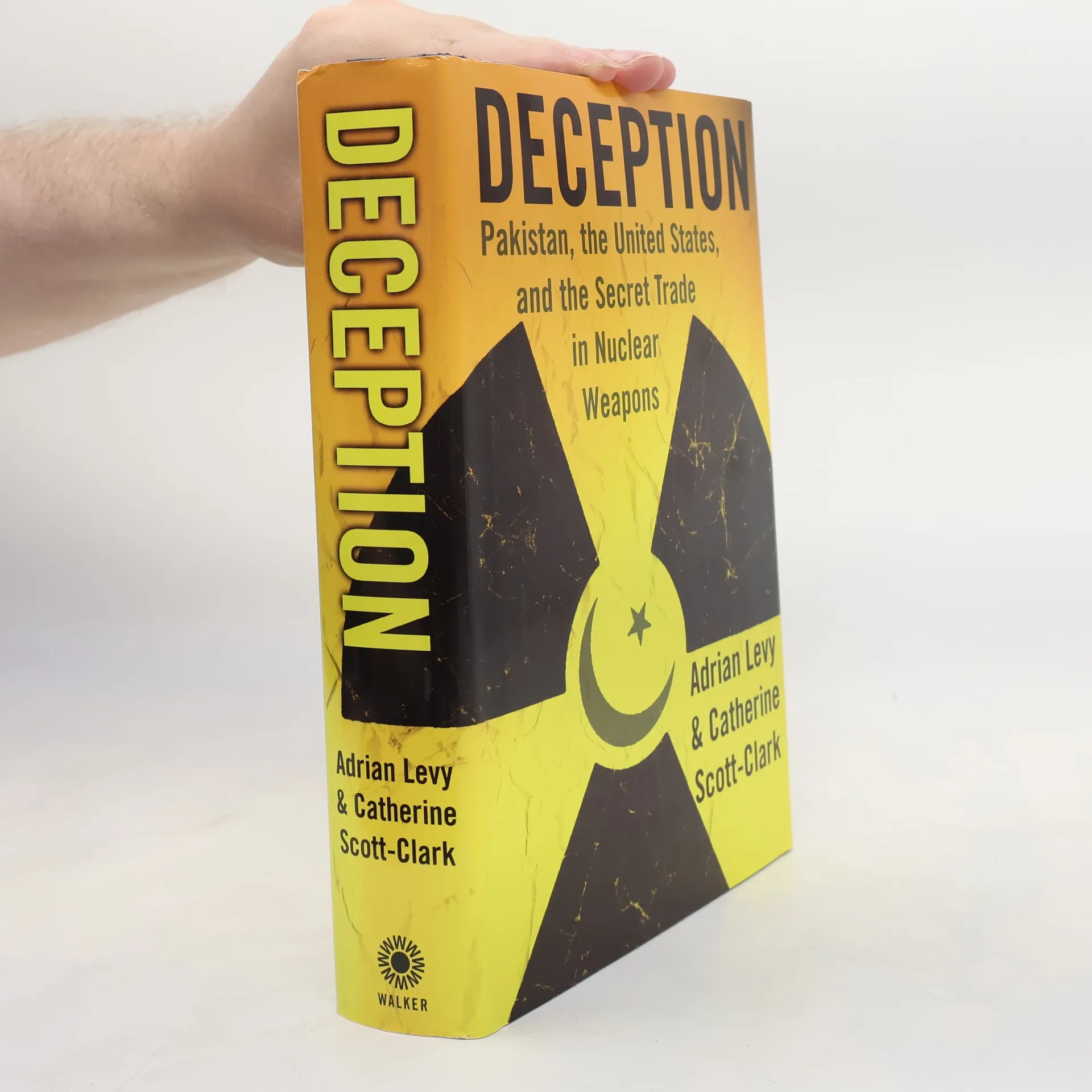
Deception, Adrian Levy, Catherine Scott-Clark
- Jazyk

- Rok vydania
- 2007
- Väzba
- (pevná)
Doručenie
Platobné metódy
Nikto zatiaľ neohodnotil.
- Titul
- Deception
- Podtitul
- Pakistan, the United States, and the Secret Trade in Nuclear Weapons
- Jazyk
- anglicky
- Autori
- Adrian Levy, Catherine Scott-Clark
- Vydavateľ
- Walker Books
- Rok vydania
- 2007
- Väzba
- pevná
- Počet strán
- 586
- ISBN10
- 0802715540
- ISBN13
- 9780802715548
- Série
- Kategórie
- Štítky
- Politika, Vojny, Špionáž, Terorizmus, Pakistán
- Anotácia
- This gripping account chronicles the three-decade saga of A. Q. Khan and Pakistan's nuclear program, highlighting the U.S. complicity in nuclear proliferation. In December 1975, Khan, a young Pakistani scientist in Holland, stole classified blueprints to develop a nuclear bomb, initially driven by patriotic motives to counter India's nuclear capabilities. However, as the investigation unfolds, it reveals how Khan's ambitions evolved into the largest clandestine network selling nuclear secrets, supported by the Pakistani military and funded by the U.S., Saudi Arabia, Libya, and China. Alarmingly, the authors disclose that the U.S. government was aware of sales of nuclear technology to Iran, North Korea, and Libya, as Pakistan served as a crucial ally against the Soviet Union and in the "war against terror." Successive U.S. administrations, from Carter to Bush, ignored Pakistan's nuclear activities, manipulating intelligence and misleading Congress and the public about Pakistan's intentions. This complicity has contributed to global instability, reframing current tensions with Iran and North Korea. Through extensive interviews across multiple countries, this work of investigative journalism urges a critical reassessment of national priorities and highlights Pakistan's role as a rogue state at the center of nuclear proliferation.