

Viac o knihe
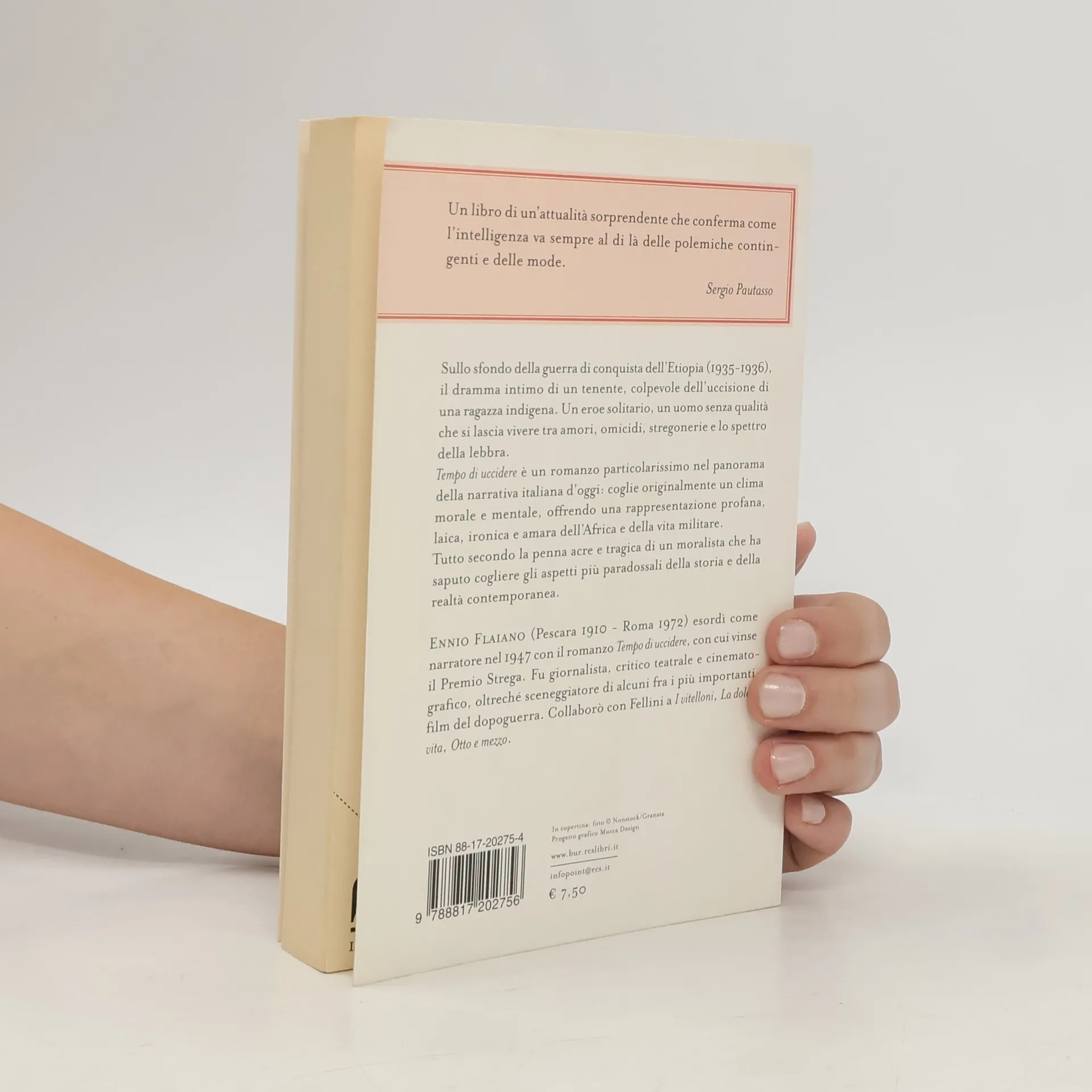
This fine novel, Flaiano's only full-length work of fiction, was published under the title <i>Tempo di uccidere</i> in 1947 and won that year's Strega Prize. Translated into English it appeared as <i>The Short Cut</i> in the United States in 1950. Since then, it may be ventured, the course of our national affairs has only rendered us that much more able to appreciate the plight of the young Italian officer whose story the book tells. We are in Abyssinia during that helpless country's conquest in 1935 and 1936 by a major European power. . . . Bothered by a toothache, the hero, on his way to the base in search of a dentist, takes a short cut through a sinister valley, loses his way, comes upon a native woman bathing in a stream. She submits to him; he stays with her; day ends. During the night he fires at what he imagines is a marauding animal; the bullet ricochets, strikes the woman, mortally wounds her. Unsure what to do, unable to go for help, he shoots her while she lies sleeping. The rest of <i>The Short Cut</i> records the lieutenant's efforts to evade and reason away responsibility, even to assuage guilt by committing another crime, but at last to recognize that the long chain of chance circumstances were perhaps in himself, were himself. Albert Guerard remarks that "Had Dostoevsky lived to write The Short Cut he would certainly have offered the lieutenant grace and conversion. But the lieutenant has neither Sonia nor God. The crime remains alive for him in an odor, once an odor of cyclamens and tuberoses in a closed room, but at last an odor of brilliantine, that worn by a second lieutenant and 'walking conscience': 'An extremely nasty kind of brilliantine, which the heat of the valley was making sickly, sweet, putrid with long-withered flowers, a poisonous odor. I hastened my step but that stinking trail preceded me.'" "The final intolerable punishment that threatens the lieutenant is, as for Raskolnikov, impunity."
Nákup knihy
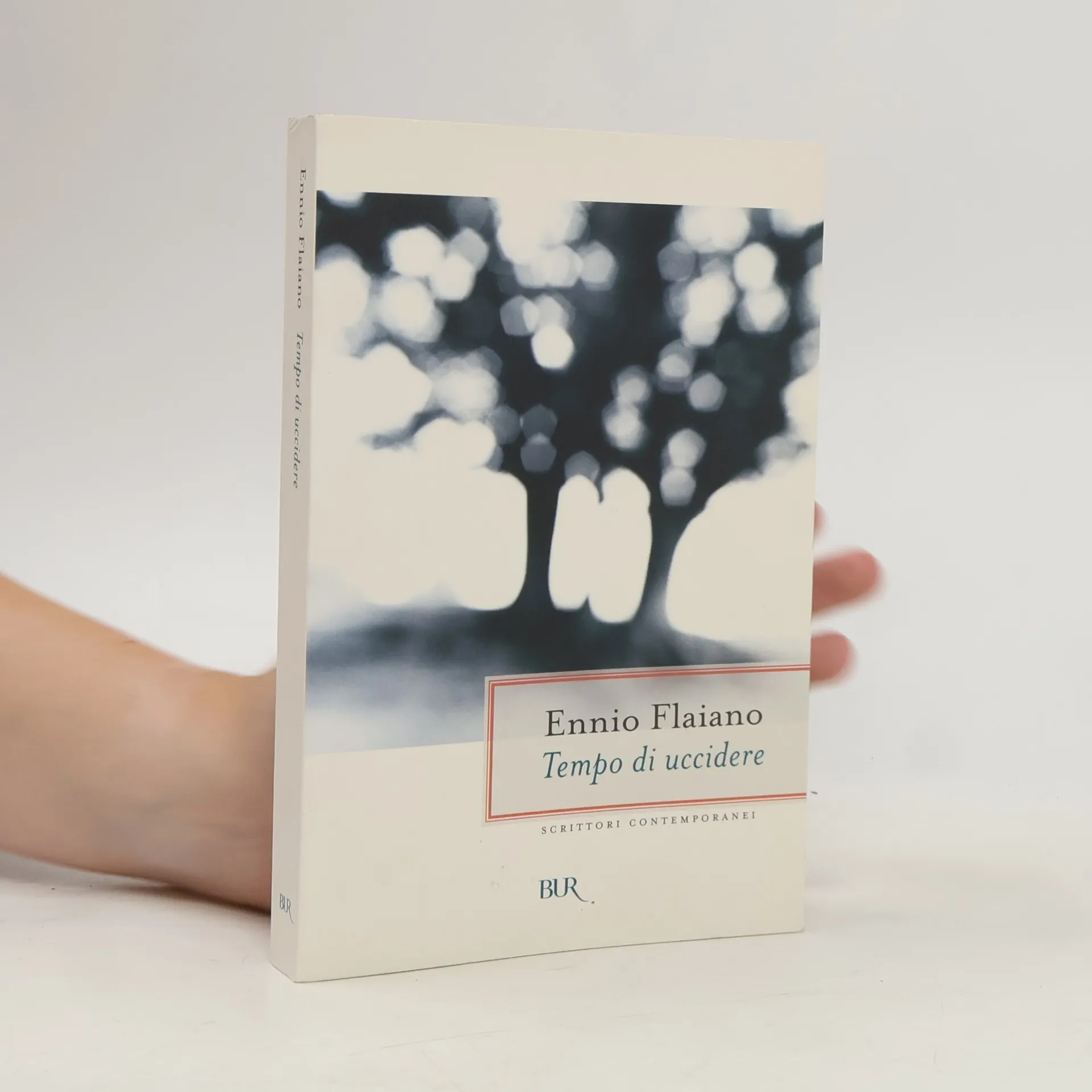
Tempo di uccidere, Ennio Flaiano
- Jazyk

- Rok vydania
- 2000
- product-detail.submit-box.info.binding
- (mäkká),
- Stav knihy
- Veľmi dobrá
- Cena
- 18,49 €
Platobné metódy
Nikto zatiaľ neohodnotil.
- Titul
- Tempo di uccidere
- Jazyk
- taliansky
- Autori
- Ennio Flaiano
- Vydavateľ
- BUR
- Rok vydania
- 2000
- Väzba
- mäkká
- Počet strán
- 282
- ISBN10
- 8817202754
- ISBN13
- 9788817202756
- Série
- Štítky
- Beletria, Klasika, Vojny, Taliansko, Talianska literatúra
- Anotácia
- This fine novel, Flaiano's only full-length work of fiction, was published under the title <i>Tempo di uccidere</i> in 1947 and won that year's Strega Prize. Translated into English it appeared as <i>The Short Cut</i> in the United States in 1950. Since then, it may be ventured, the course of our national affairs has only rendered us that much more able to appreciate the plight of the young Italian officer whose story the book tells. We are in Abyssinia during that helpless country's conquest in 1935 and 1936 by a major European power. . . . Bothered by a toothache, the hero, on his way to the base in search of a dentist, takes a short cut through a sinister valley, loses his way, comes upon a native woman bathing in a stream. She submits to him; he stays with her; day ends. During the night he fires at what he imagines is a marauding animal; the bullet ricochets, strikes the woman, mortally wounds her. Unsure what to do, unable to go for help, he shoots her while she lies sleeping. The rest of <i>The Short Cut</i> records the lieutenant's efforts to evade and reason away responsibility, even to assuage guilt by committing another crime, but at last to recognize that the long chain of chance circumstances were perhaps in himself, were himself. Albert Guerard remarks that "Had Dostoevsky lived to write The Short Cut he would certainly have offered the lieutenant grace and conversion. But the lieutenant has neither Sonia nor God. The crime remains alive for him in an odor, once an odor of cyclamens and tuberoses in a closed room, but at last an odor of brilliantine, that worn by a second lieutenant and 'walking conscience': 'An extremely nasty kind of brilliantine, which the heat of the valley was making sickly, sweet, putrid with long-withered flowers, a poisonous odor. I hastened my step but that stinking trail preceded me.'" "The final intolerable punishment that threatens the lieutenant is, as for Raskolnikov, impunity."