



Viac o knihe
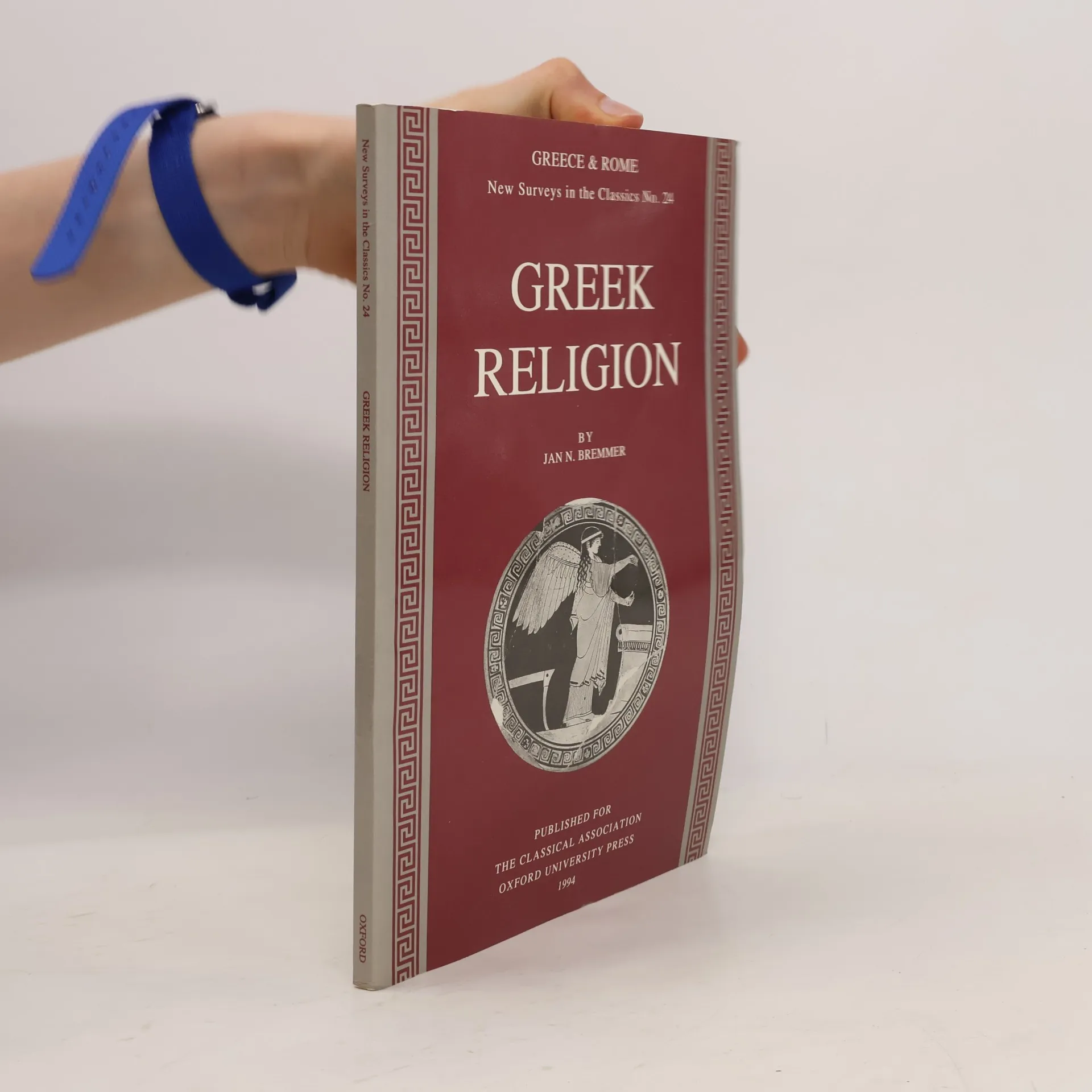
In this brief but highly informative book Jan Bremmer presents an outline of Greek religion in the classical period. After a survey of its main characteristics, he offers a clear and innovative view of the great gods and heroes as well as their sanctuaries and also the main myths, rituals and mysteries: from Athena to Zeus, from sacrifice to the puritan Orphics, from the Indo-European roots to the influence of the ancient Near East. The approach pays attention to the sociological, anthropological and psychological aspects of Greek religion and also to the gender roles. By analyzing the often modern origin of many of the notions employed in the analysis of Greek religion, it also shows the difference between the polytheism of the Greeks and the place of religion in modern Western society. Its excellent bibliography makes this book a very useful tool for students and teachers alike.

Nákup knihy
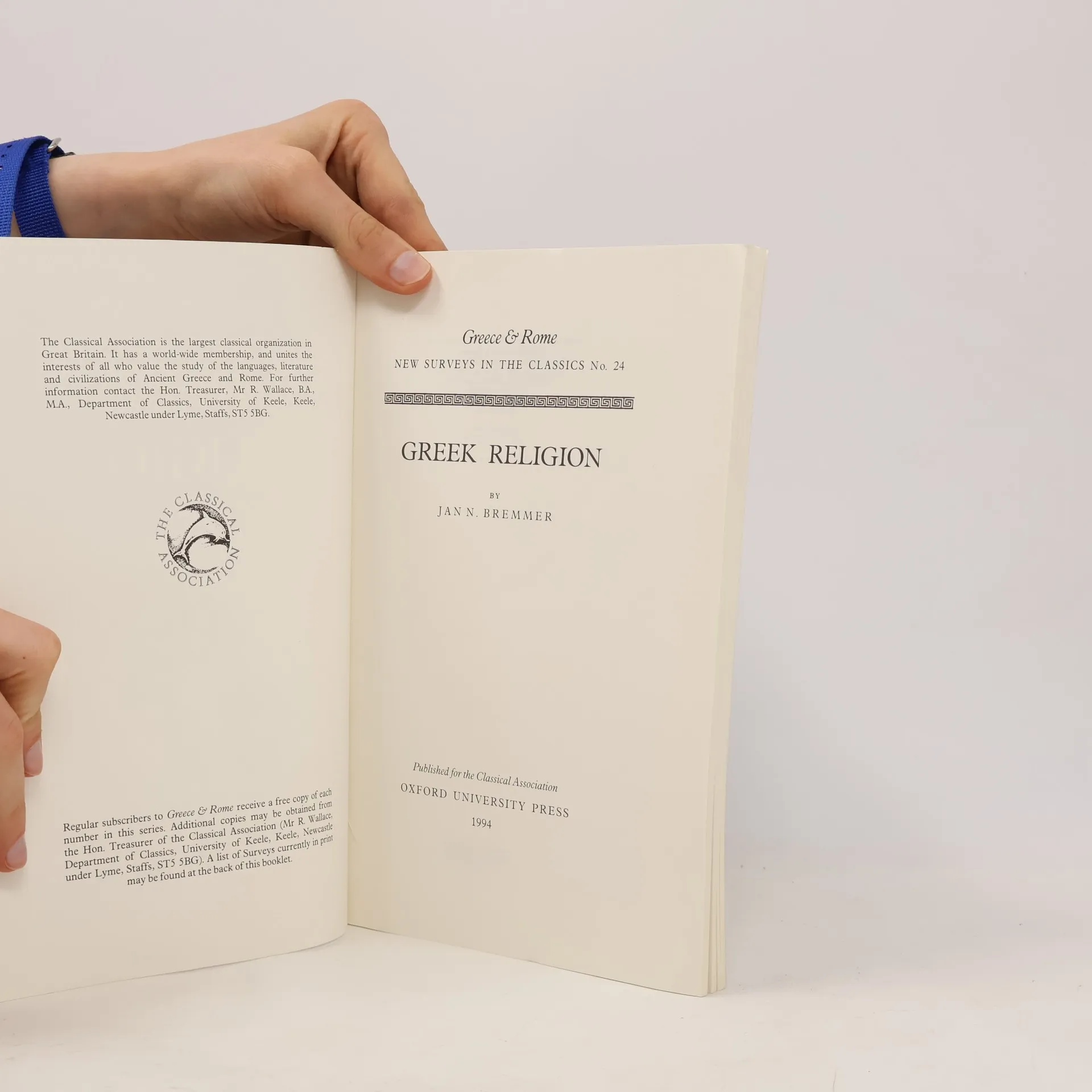
New Surveys in the Classics - 24: Greek Religion, Jan N. Bremmer
- Jazyk

- Rok vydania
- 1994
- Väzba
- (mäkká)
Tu nám chýba tvoja recenzia
- Titul
- New Surveys in the Classics - 24: Greek Religion
- Jazyk
- anglicky
- Autori
- Jan N. Bremmer
- Vydavateľ
- Oxford University Press
- Rok vydania
- 1994
- Väzba
- mäkká
- Počet strán
- 132
- ISBN10
- 0199220735
- ISBN13
- 9780199220731
- Série
- Štítky
- Historické téma, Náboženské témy
- Hodnotenie
- 3,4 z 5
- Anotácia
- In this brief but highly informative book Jan Bremmer presents an outline of Greek religion in the classical period. After a survey of its main characteristics, he offers a clear and innovative view of the great gods and heroes as well as their sanctuaries and also the main myths, rituals and mysteries: from Athena to Zeus, from sacrifice to the puritan Orphics, from the Indo-European roots to the influence of the ancient Near East. The approach pays attention to the sociological, anthropological and psychological aspects of Greek religion and also to the gender roles. By analyzing the often modern origin of many of the notions employed in the analysis of Greek religion, it also shows the difference between the polytheism of the Greeks and the place of religion in modern Western society. Its excellent bibliography makes this book a very useful tool for students and teachers alike.