





Parametre
- 320 stránok
- 12 hodin čítania
Viac o knihe
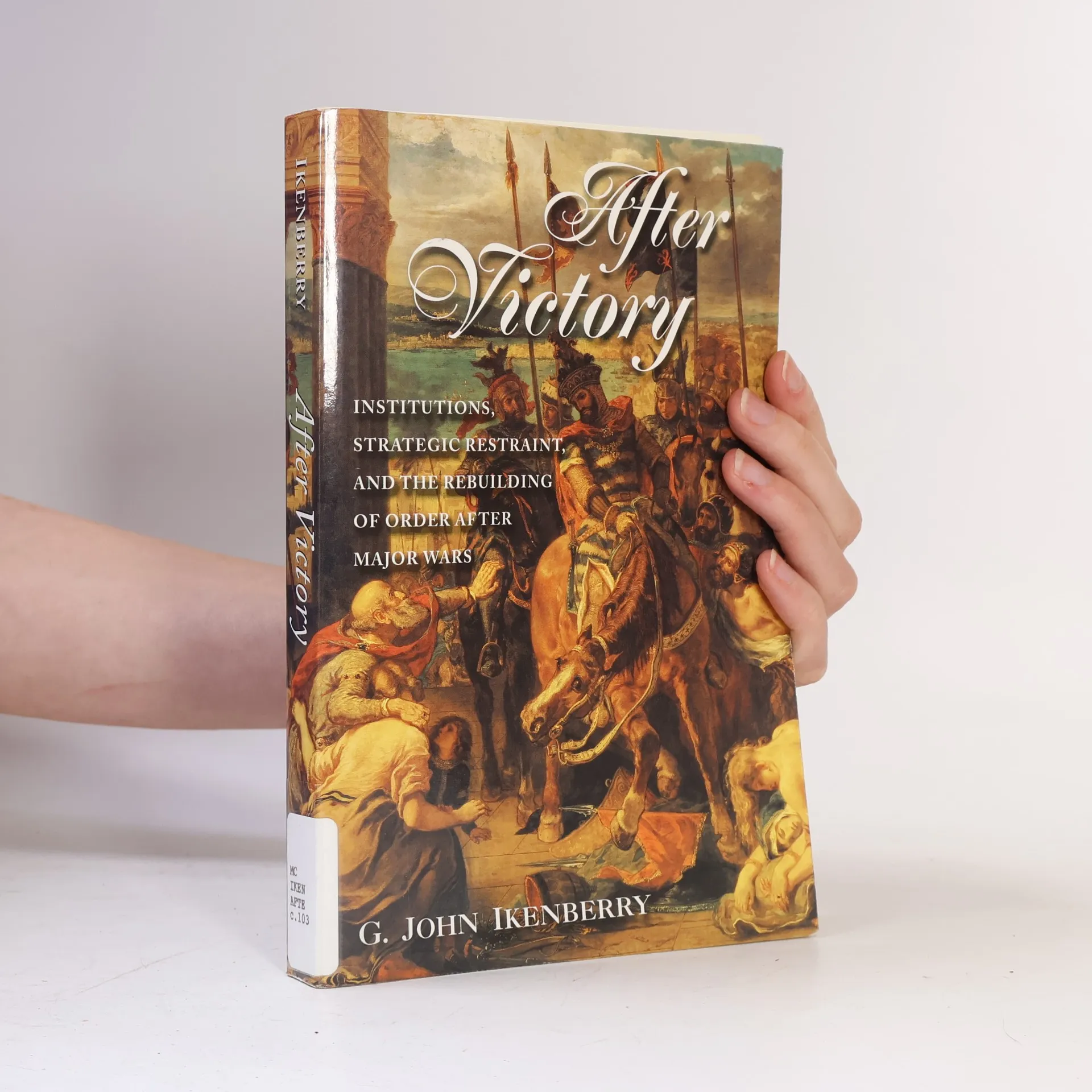
The end of the Cold War marked a significant turning point, akin to the aftermath of major historical conflicts like the Napoleonic Wars and the World Wars. John Ikenberry explores what victorious states do with their newfound power and how they construct order. He argues that while powerful nations aim to foster stable and cooperative relations, the resulting order depends on their capacity to make commitments and limit their own power. The spread of democracy in the twentieth century and the innovative use of international institutions—both linked to the rise of the United States—have contributed to an order that transcends traditional balance of power politics, exhibiting "constitutional" traits. The open nature of the American political system, combined with a network of multilateral institutions, enables the U.S. to practice strategic restraint and maintain stable relations among industrial democracies, even amidst rapid changes and significant power disparities. By integrating comparative politics with international relations and blending historical insights with theoretical frameworks, this work appeals to those interested in global order, the influence of institutions in world politics, and the implications of past postwar settlements for contemporary issues, including the U.S. role in a unipolar world.
Nákup knihy
Princeton Studies in International History and Politics: After Victory, G. John Ikenberry
- Jazyk

- Rok vydania
- 2000
- product-detail.submit-box.info.binding
- (mäkká),
- Stav knihy
- Poškodená
- Cena
- 4,90 €
Platobné metódy
Nikto zatiaľ neohodnotil.
- Podtitul
- Order and Power in International Politics
- Jazyk
- anglicky
- Autori
- G. John Ikenberry
- Vydavateľ
- Princeton University Press
- Rok vydania
- 2000
- Väzba
- mäkká
- Počet strán
- 320
- ISBN10
- 0691050910
- ISBN13
- 9780691050911
- Série
- Štítky
- Náučná literatúra, Spoločenské vedy, Politológia & Politika, Politika, Vojny, Medzinárodné vzťahy
- Anotácia
- The end of the Cold War marked a significant turning point, akin to the aftermath of major historical conflicts like the Napoleonic Wars and the World Wars. John Ikenberry explores what victorious states do with their newfound power and how they construct order. He argues that while powerful nations aim to foster stable and cooperative relations, the resulting order depends on their capacity to make commitments and limit their own power. The spread of democracy in the twentieth century and the innovative use of international institutions—both linked to the rise of the United States—have contributed to an order that transcends traditional balance of power politics, exhibiting "constitutional" traits. The open nature of the American political system, combined with a network of multilateral institutions, enables the U.S. to practice strategic restraint and maintain stable relations among industrial democracies, even amidst rapid changes and significant power disparities. By integrating comparative politics with international relations and blending historical insights with theoretical frameworks, this work appeals to those interested in global order, the influence of institutions in world politics, and the implications of past postwar settlements for contemporary issues, including the U.S. role in a unipolar world.