




Viac o knihe
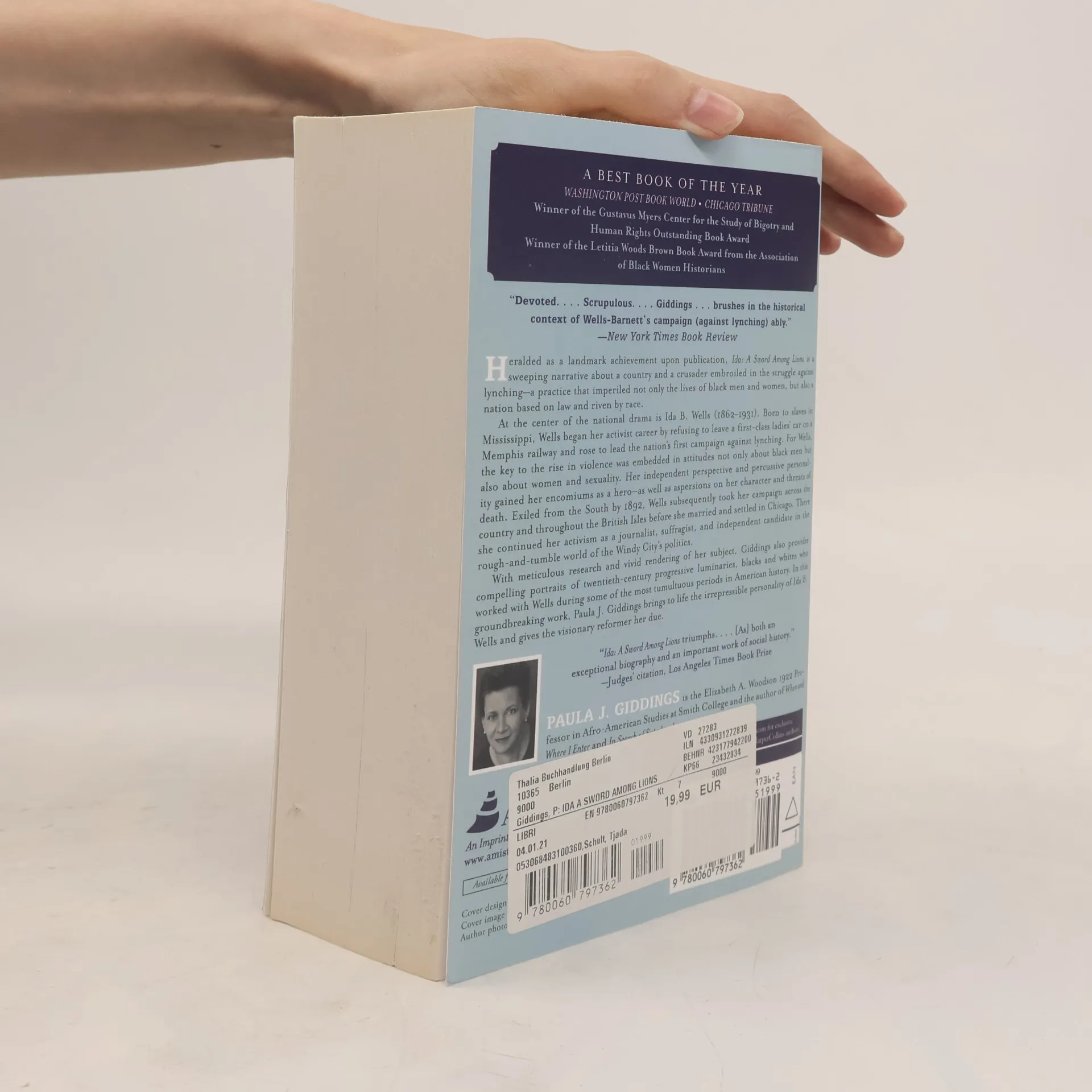
Heralded as a landmark achievement upon publication, this sweeping narrative explores the struggle against lynching, a practice that threatened the lives of black individuals and the integrity of a nation divided by race. Central to this national drama is Ida B. Wells (1862-1931), who was born to slaves in Mississippi. Her activism began when she refused to leave a first-class ladies' car on a Memphis railway, leading her to spearhead the nation’s first campaign against lynching. Wells identified the rise in violence as rooted in societal attitudes towards black men, women, and sexuality. Her fierce independence and dynamic personality earned her both accolades and threats, leading to her exile from the South in 1892. She took her campaign across the U.S. and the British Isles before settling in Chicago, where she continued her work as a journalist, suffragist, and independent political candidate. With meticulous research, Giddings offers vivid portraits of Wells and her collaborations with notable progressive figures during tumultuous times in American history. This groundbreaking work brings to life the indomitable spirit of Ida B. Wells, honoring her legacy as a visionary reformer.

Platobné metódy
Nikto zatiaľ neohodnotil.
- Titul
- Ida
- Podtitul
- A Sword Among Lions
- Jazyk
- anglicky
- Autori
- Paula J. Giddings
- Vydavateľ
- Amistad
- Rok vydania
- 2009
- Väzba
- mäkká
- Počet strán
- 800
- ISBN10
- 0060797363
- ISBN13
- 9780060797362
- Série
- Anotácia
- Heralded as a landmark achievement upon publication, this sweeping narrative explores the struggle against lynching, a practice that threatened the lives of black individuals and the integrity of a nation divided by race. Central to this national drama is Ida B. Wells (1862-1931), who was born to slaves in Mississippi. Her activism began when she refused to leave a first-class ladies' car on a Memphis railway, leading her to spearhead the nation’s first campaign against lynching. Wells identified the rise in violence as rooted in societal attitudes towards black men, women, and sexuality. Her fierce independence and dynamic personality earned her both accolades and threats, leading to her exile from the South in 1892. She took her campaign across the U.S. and the British Isles before settling in Chicago, where she continued her work as a journalist, suffragist, and independent political candidate. With meticulous research, Giddings offers vivid portraits of Wells and her collaborations with notable progressive figures during tumultuous times in American history. This groundbreaking work brings to life the indomitable spirit of Ida B. Wells, honoring her legacy as a visionary reformer.