

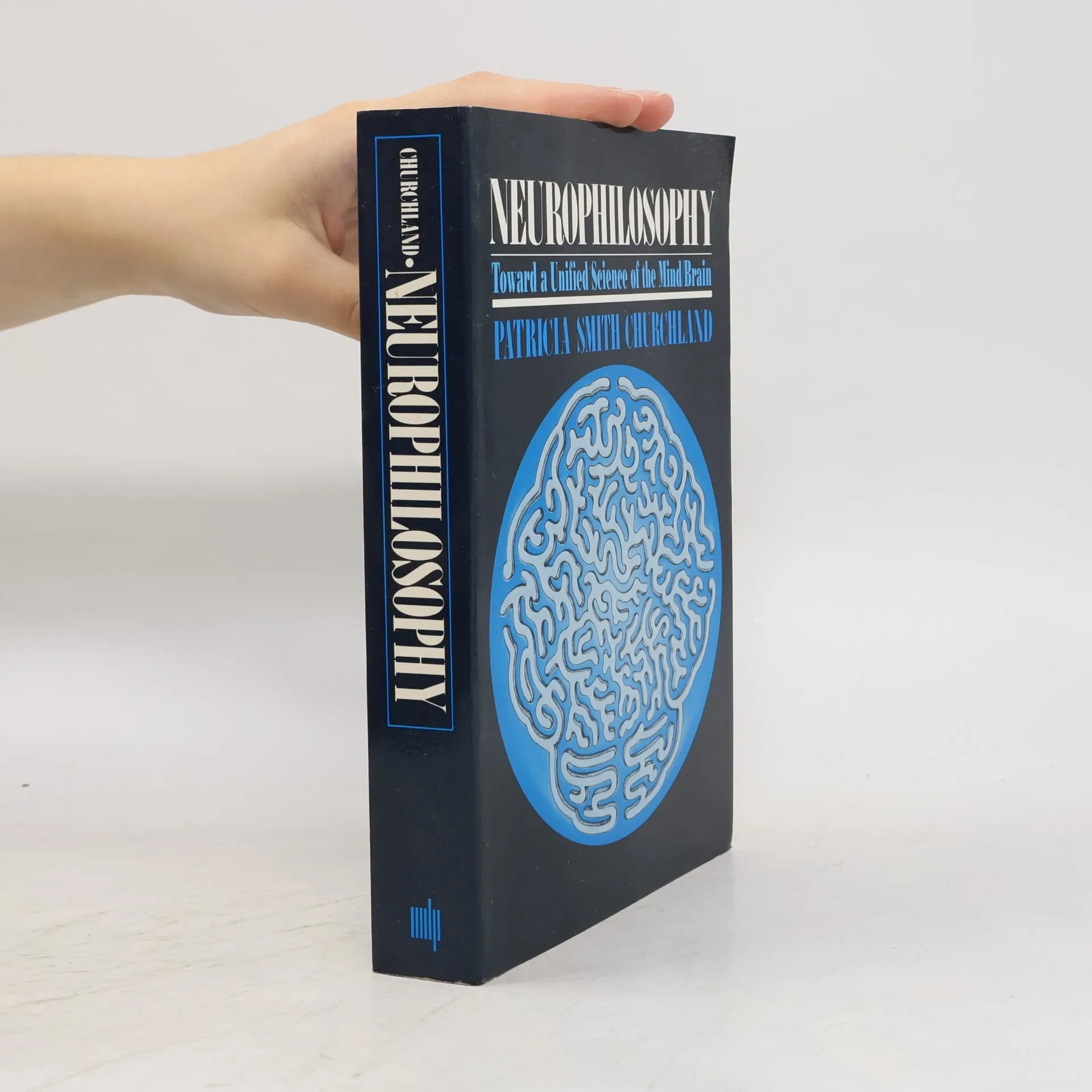
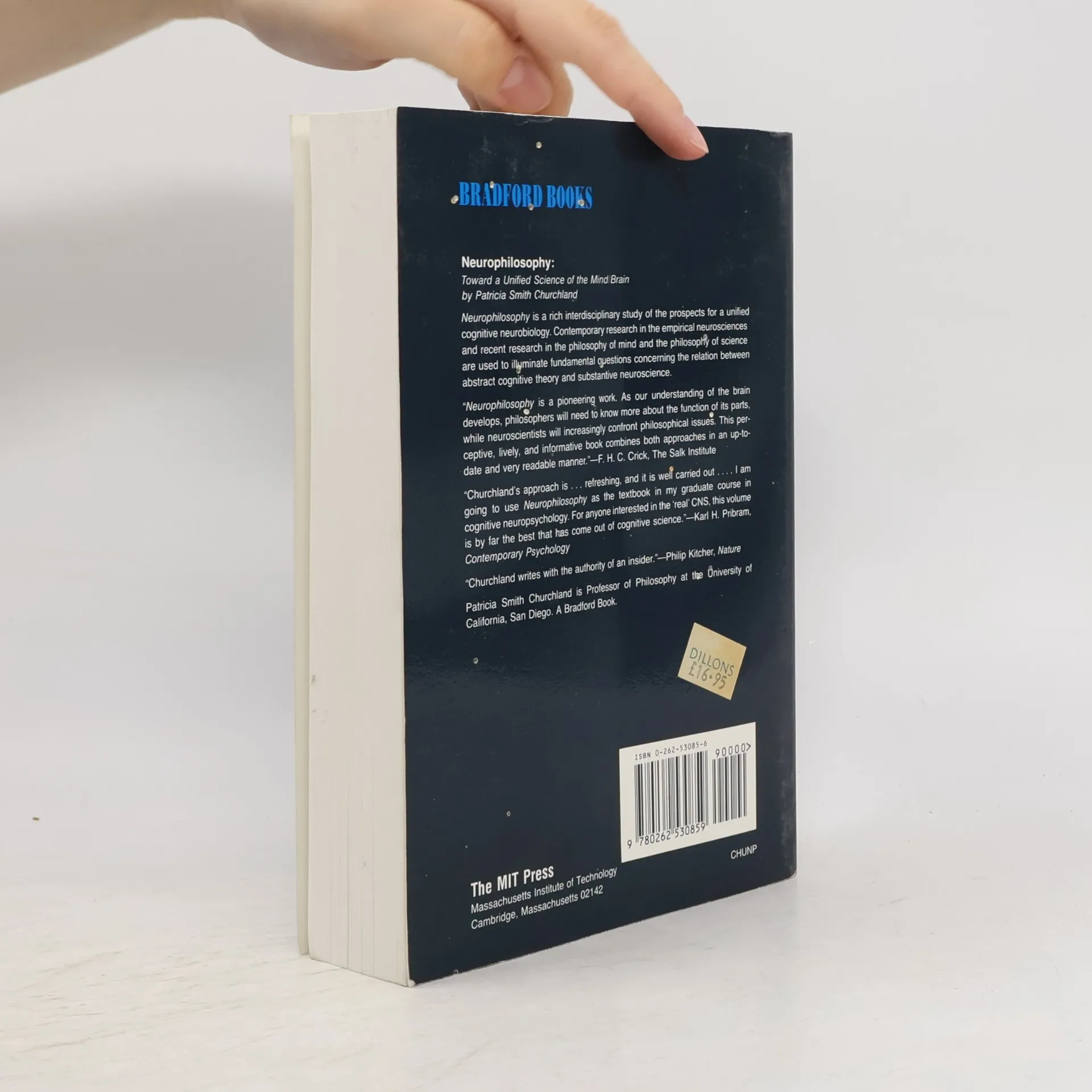

Viac o knihe
Five chapters in the book's first part, "Some Elementary Neuroscience," sketch the history of the science of nervous systems and provide a general introduction to neurophysiology, neuroanatomy, and neuropsychology. In the second part, "Recent Developments in the Philosophy of Science," chapters place the mind-body problem within the wider context of the philosophy of science. Drawing on recent research in this area, a general account of intertheoretic reduction is explained, arguments for a reductionist strategy are developed, and traditional objections from dualists and other anti reductionists are answered in novel ways. The third part, "A Neurophilosophical Perspective," concludes the book with a presentation and discussion of some of the most promising theoretical developments currently under exploration in functional neurobiology and in the connectionist models within artificial intelligence research.Patricia Churchland is Professor of Philosophy, University of California, San Diego. A Bradford Book.
Nákup knihy
Neurophilosophy, Patricia Smith Churchland
- Jazyk

- Rok vydania
- 1989
- Väzba
- (mäkká),
- Stav knihy
- Dobrá
- Cena
- 10,99 €
Platobné metódy
Nikto zatiaľ neohodnotil.
- Titul
- Neurophilosophy
- Podtitul
- Toward a Unified Science of the Mind/Brain
- Jazyk
- anglicky
- Vydavateľ
- Bradford Book
- Rok vydania
- 1989
- Väzba
- mäkká
- Počet strán
- 560
- ISBN10
- 0262530856
- ISBN13
- 9780262530859
- Série
- Štítky
- Psychologická tematika, Veda, USA, Medicína, Neuroveda, Mozog, Neuropsychológia
- Anotácia
- Five chapters in the book's first part, "Some Elementary Neuroscience," sketch the history of the science of nervous systems and provide a general introduction to neurophysiology, neuroanatomy, and neuropsychology. In the second part, "Recent Developments in the Philosophy of Science," chapters place the mind-body problem within the wider context of the philosophy of science. Drawing on recent research in this area, a general account of intertheoretic reduction is explained, arguments for a reductionist strategy are developed, and traditional objections from dualists and other anti reductionists are answered in novel ways. The third part, "A Neurophilosophical Perspective," concludes the book with a presentation and discussion of some of the most promising theoretical developments currently under exploration in functional neurobiology and in the connectionist models within artificial intelligence research.Patricia Churchland is Professor of Philosophy, University of California, San Diego. A Bradford Book.