



Viac o knihe
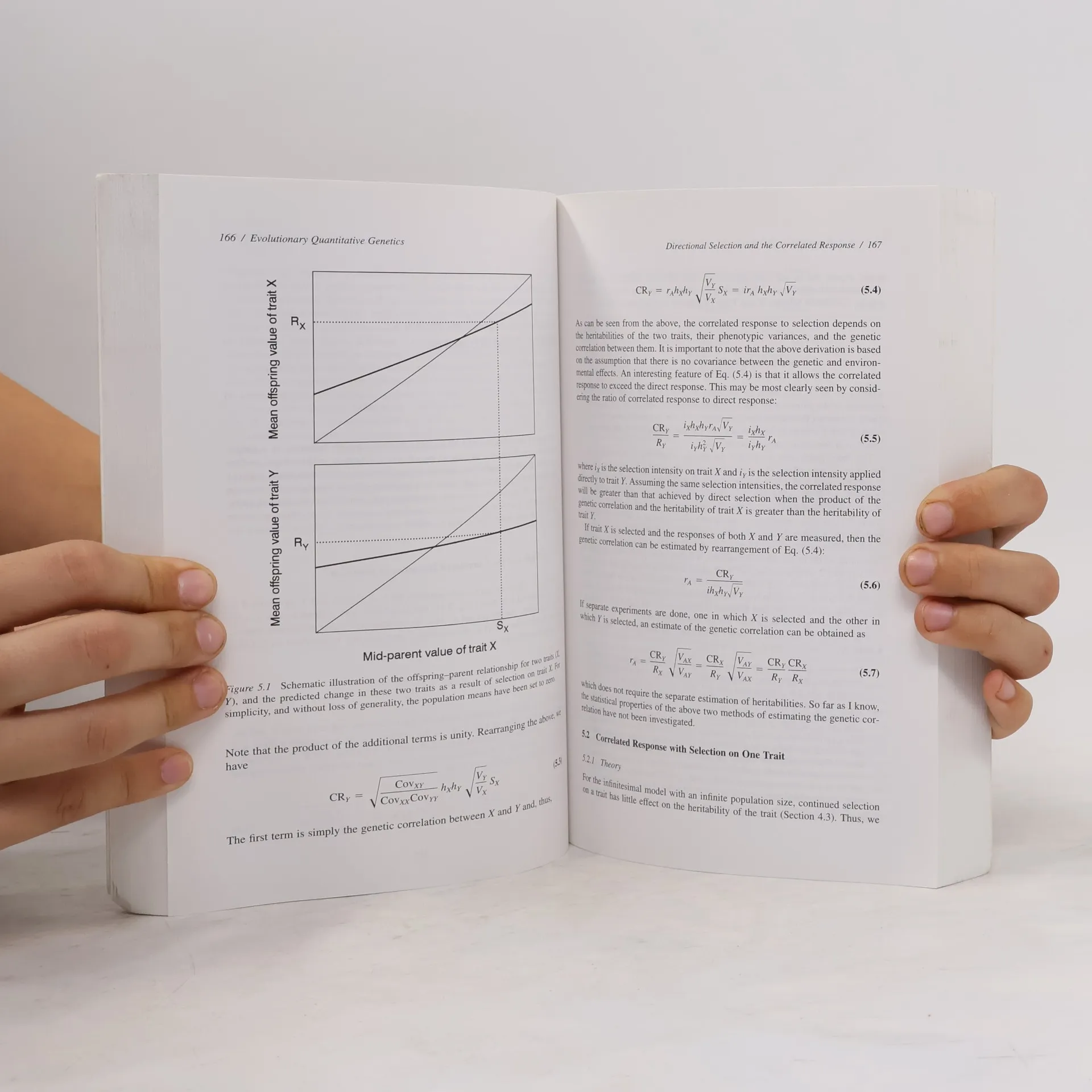
The impetus for this book arose from my previous work, which included a chapter on quantitative genetic theory. While that book focused on the evolution of life histories and related traits, quantitative genetic variation was a recurring theme. Much emphasis was placed on optimality theory, a successful method for analyzing life history variation. However, there are questions where optimality approaches fall short, particularly regarding genetic variation, which is crucial for further evolution. This book serves as a natural extension of the first, approaching the topic from the perspective of understanding the evolution of quantitative traits in wild populations rather than from a breeding standpoint. The subject is extensive, supported by a substantial body of research. I present the underlying assumptions and results, along with references for those interested in the mathematics involved. My focus is on what quantitative genetics reveals about evolutionary processes, concentrating on research areas most relevant to field studies.
Nákup knihy
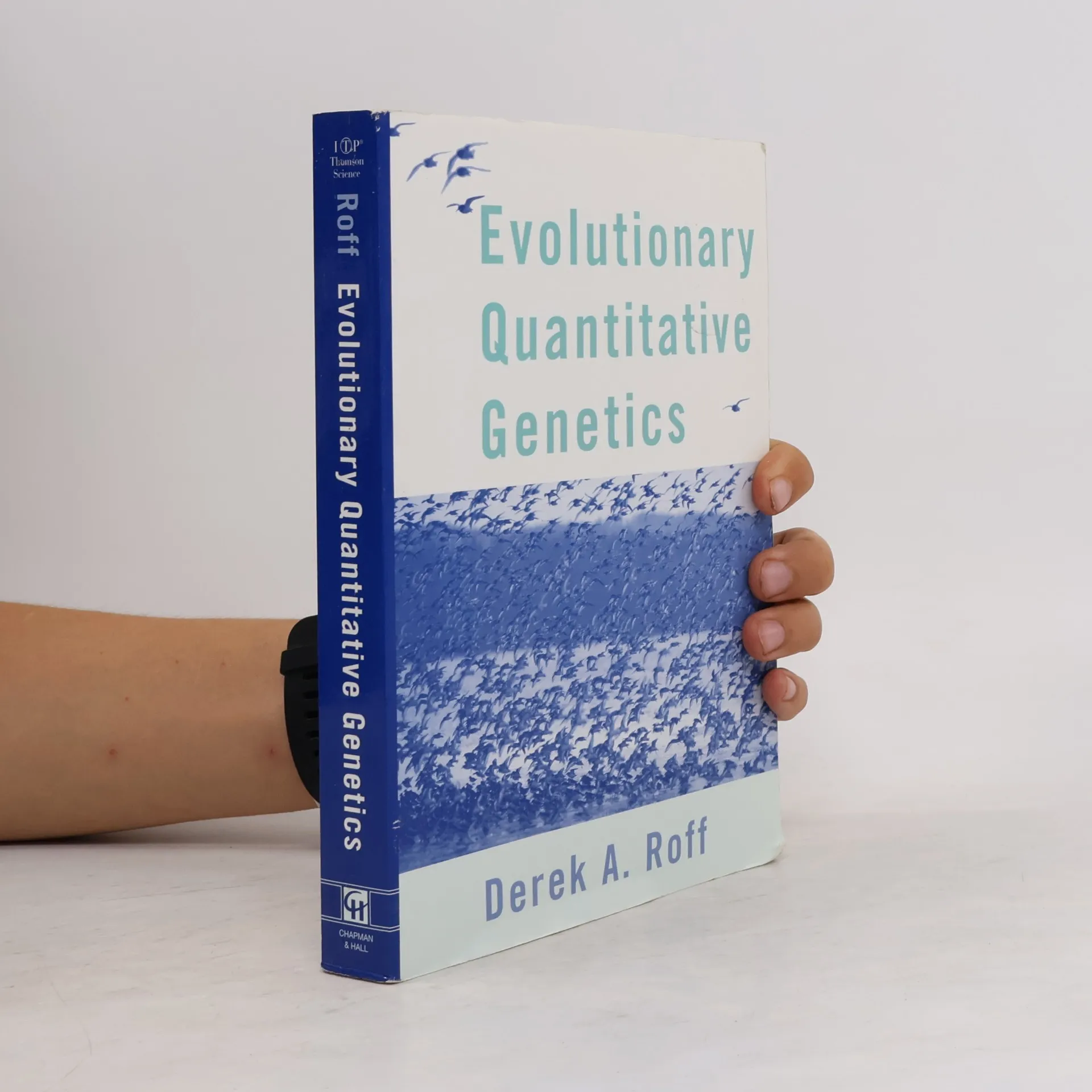
Evolutionary Quantitative Genetics, Derek A. Roff
- Jazyk

- Rok vydania
- 1997
- Väzba
- (mäkká),
- Stav knihy
- Poškodená
- Cena
- 20,09 €
Nikto zatiaľ neohodnotil.
- Jazyk
- anglicky
- Autori
- Derek A. Roff
- Vydavateľ
- Springer
- Rok vydania
- 1997
- Väzba
- mäkká
- Počet strán
- 510
- ISBN10
- 041212971X
- ISBN13
- 9780412129711
- Série
- Štítky
- Veda, USA, Medicína, Evolúcia, Genetika, Evolučná biológia, Obyvatelia
- Anotácia
- The impetus for this book arose from my previous work, which included a chapter on quantitative genetic theory. While that book focused on the evolution of life histories and related traits, quantitative genetic variation was a recurring theme. Much emphasis was placed on optimality theory, a successful method for analyzing life history variation. However, there are questions where optimality approaches fall short, particularly regarding genetic variation, which is crucial for further evolution. This book serves as a natural extension of the first, approaching the topic from the perspective of understanding the evolution of quantitative traits in wild populations rather than from a breeding standpoint. The subject is extensive, supported by a substantial body of research. I present the underlying assumptions and results, along with references for those interested in the mathematics involved. My focus is on what quantitative genetics reveals about evolutionary processes, concentrating on research areas most relevant to field studies.