Táto edícia sprístupňuje kľúčové diela arabskej literatúry od pred-islamského obdobia až po 19. storočie. Zahŕňa širokú škálu žánrov vrátane poézie, prózy, náboženstva, filozofie, histórie a cestopisov. Diela sú editované a prekladané poprednými odborníkmi s cieľom sprístupniť bohaté arabské literárne dedičstvo širokej verejnosti aj akademickej komunite.
Features an almost entirely different set of stories, however, each one more
thrilling, amusing, and disturbing than the last. This book includes tales of
epic warriors, buried treasures, disappearing brides, cannibal demon women,
fatal shipwrecks, and clever ruses, where human strength and more.
This seventh/thirteenth-century compilation presents anecdotes about thirty-eight women who were consorts to powerful figures, primarily concubines of early Abbasid caliphs and wives of later caliphs and sultans. It is one of the few surviving works by the Baghdadi scholar Ibn al-Sa'i, who documented the academic and political elites of Baghdad during the final years of the Abbasid dynasty and after the devastating Mongol invasion of 656 H/1258 AD. Ibn al-Sa'i aims to connect the generous wives of his era with the famed lovers of Baghdad's golden age. The text features stories from the earlier period, such as Harun al-Rashid's infatuation with his brother's beautiful slave, Ghadir, alongside the talents of musical and literary figures like Arib and Fadl, who excelled beyond their male counterparts. Closer to Ibn al-Sa'i's time, we encounter women like Banafsha, who funded law colleges, constructed bridges, and supported pilgrims to Mecca, as well as slave women whose funeral services were conducted by caliphs and noble Saljuq princesses from Afghanistan. These biographical sketches, enriched by the author's insider knowledge and literary sources, vividly revive the belletristic culture of the Baghdad court, highlighting the personal narratives and poetry of cultural heroines otherwise forgotten by history.
The earliest surviving instance of sustained first-person travel narrative in Arabic Mission to the Volga is a pioneering text of peerless historical and literary value. In its pages, we move north on a diplomatic mission from Baghdad to the upper reaches of the Volga River in what is now central Russia. In this colorful documentary from the tenth century, the enigmatic Ibn Fadlan relates his experiences as part of an embassy sent by Caliph al-Muqtadir to deliver political and religious instruction to the recently-converted King of the Bulghars. During eleven months of grueling travel, Ibn Fadlan records the marvels he witnesses on his journey, including an aurora borealis and the white nights of the North. Crucially, he offers a description of the Viking Rus, including their customs, clothing, body painting, and a striking account of a ship funeral. Together, these anecdotes illuminate a vibrant world of diversity during the heyday of the Abbasid Empire, narrated with as much curiosity and zeal as they were perceived by its observant beholder. An English-only edition.
Between the ninth and fourteenth centuries, Arab travellers such as Ibn Fadlan
journeyed widely and frequently into the far north, crossing territories that
now include Russia, Uzbekistan and Kazakhstan. This title offers an
illuminating insight into the world of the Arab geographers, and the medieval
lands of the far north.
This is the first English translation of the famous Risala, letters by the tenth-century traveler Ibn Fadlan, one of the great medieval travelers in world history, akin to Ibn Battuta. Ibn Fadlan was an Arab missionary sent by the Caliph in Baghdad to the king of the Bulghars. He journeyed from Baghdad to Bukhara in Central Asia and then continued across the desert to the town of Bulghar, near present Kazan. He describes the tribes he met on his way and gives an account of their customs. His is the earliest account of a meeting with the Vikings, called Rus, who had reached the Volga River from Sweden. His detailed description of the Rus, or Rusiya as he calls them, has produced much discussion about their origins, sexual moral standards, customs, treatment of slaves and women, burial traditions, and trading habits. The story of his travels has fascinated scholars and even prompted Michael Crichton to write the popular novel Eaters of the Dead, which was made into a film entitled The 13th Warrior.
Known as “one of the most complex and unusual texts in Arabic literature” (Banipal Magazine), The Epistle of Forgiveness is the lengthy reply by the prolific Syrian poet and prose writer, Abu l-'Ala' al-Ma'arri (d. 449/1057), to a letter by an obscure grammarian, Ibn al-Qari. With biting irony, The Epistle of Forgiveness mocks Ibn al-Qari’s hypocrisy and sycophancy by imagining he has died and arrived with some difficulty in Heaven, where he meets famous poets and philologists from the past. In al-Ma'arri’s imaginative telling, Ibn al-Qari also glimpses Hell and converses with the Devil and various heretics. Al-Ma'arri—a maverick, a vegan, and often branded a heretic himself—seems to mock popular ideas about the Hereafter. Among other things, he introduces us to hypocrites, poets, princes, rebels, mystics, and apostates, with asides on piety, superstition, wine-drinking, old age, and other topics. This remarkable book is the first complete translation of this masterpiece into any language, all the more impressive because of Al-Ma'arri's highly ornate and difficult style, his use of rhymed prose, and his numerous obscure words and expressions. Replete with erudite commentary, amusing anecdotes, and sardonic wit, The Epistle of Forgiveness is an imaginative tour-de-force by one of the most pre-eminent figures in classical Arabic literature. An English-only edition.
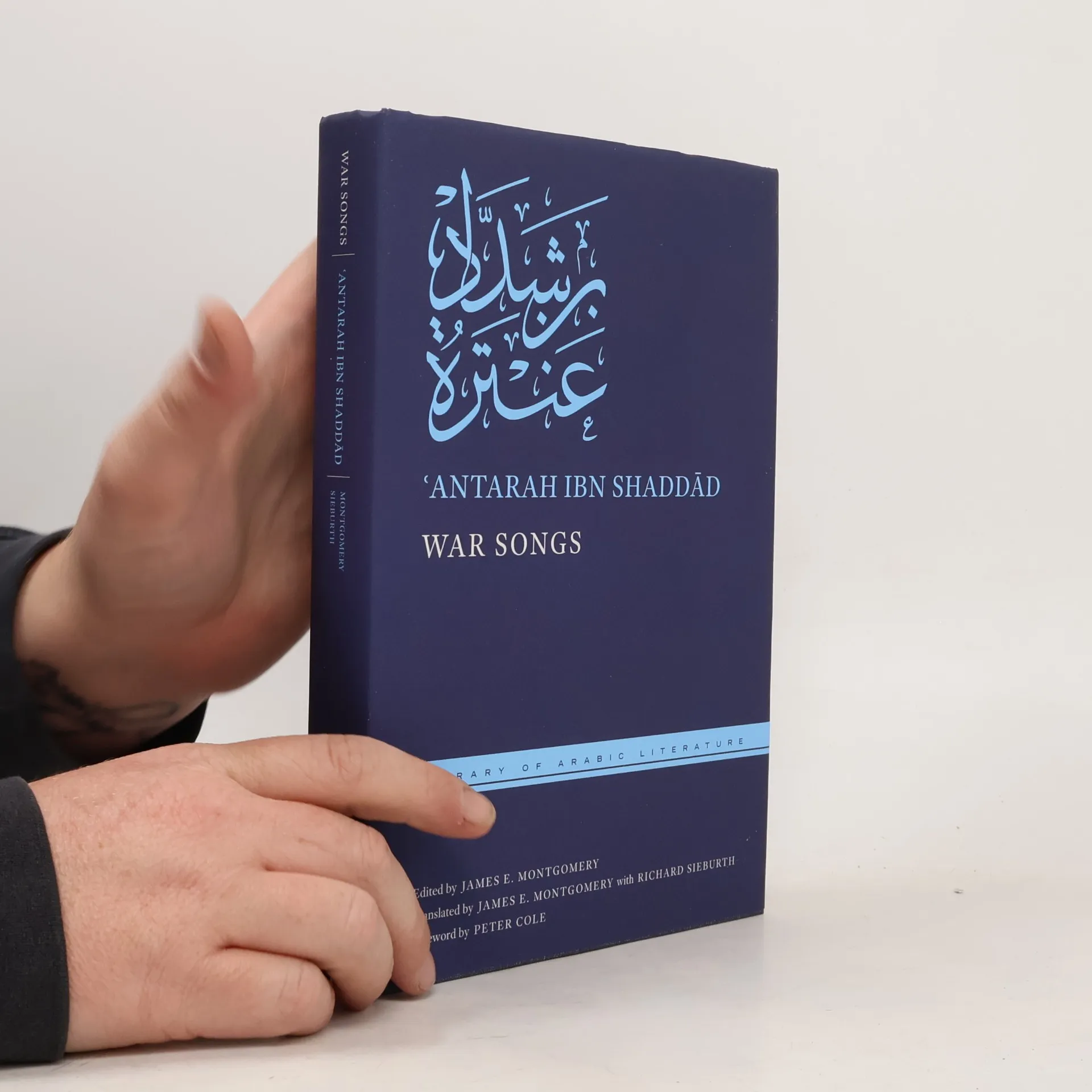
Poems of love and battle by Arabia's legendary warrior From the sixth-century highlands of Najd in the Arabian peninsula, on the eve of the advent of Islam, come the strident cries of a legendary warrior and poet. The black outcast son of an Arab father and an Ethiopian slave mother, 'Antarah ibn Shaddad struggled to win the recognition of his father and tribe. He defied social norms and, despite his outcast status, loyally defended his people.'Antarah captured his tumultuous life in uncompromising poetry that combines flashes of tenderness with blood-curdling violence. His war songs are testaments to his life-long battle to win the recognition of his people and the hand of 'Ablah, the free-born woman he loved but who was denied him by her family.War Songs presents the poetry attributed to 'Antarah and includes a selection of poems taken from the later Epic of 'Antar, a popular story-cycle that continues to captivate and charm Arab audiences to this day with tales of its hero's titanic feats of strength and endurance. 'Antarah's voice resonates here, for the first time in vibrant, contemporary English, intoning its eternal truths: commitment to one's beliefs, loyalty to kith and kin, and fidelity in love.Longlisted for the 2019 National Translation Award.