
Bookbot

Malé dejiny

Táto séria ponúka pútavé a zrozumiteľné úvody do rôznych tém, ideálne pre začínajúcich bádateľov aj zvedavých čitateľov. Každá kniha majstrovsky spája históriu s osobným pohľadom a prevedie čitateľov od dávnych dôb po súčasnosť. Vďaka stručným kapitolám a priateľskému tónu sú tieto zväzky skvelým spoločníkom na cesty aj na večerné čítanie. Stávajú sa základom pre celoživotné objavovanie sveta a jeho myšlienok.

A Little History of Archaeology
A little history of philosophy
A Little History of the United States
A Little History of Literature
A Little History of Science
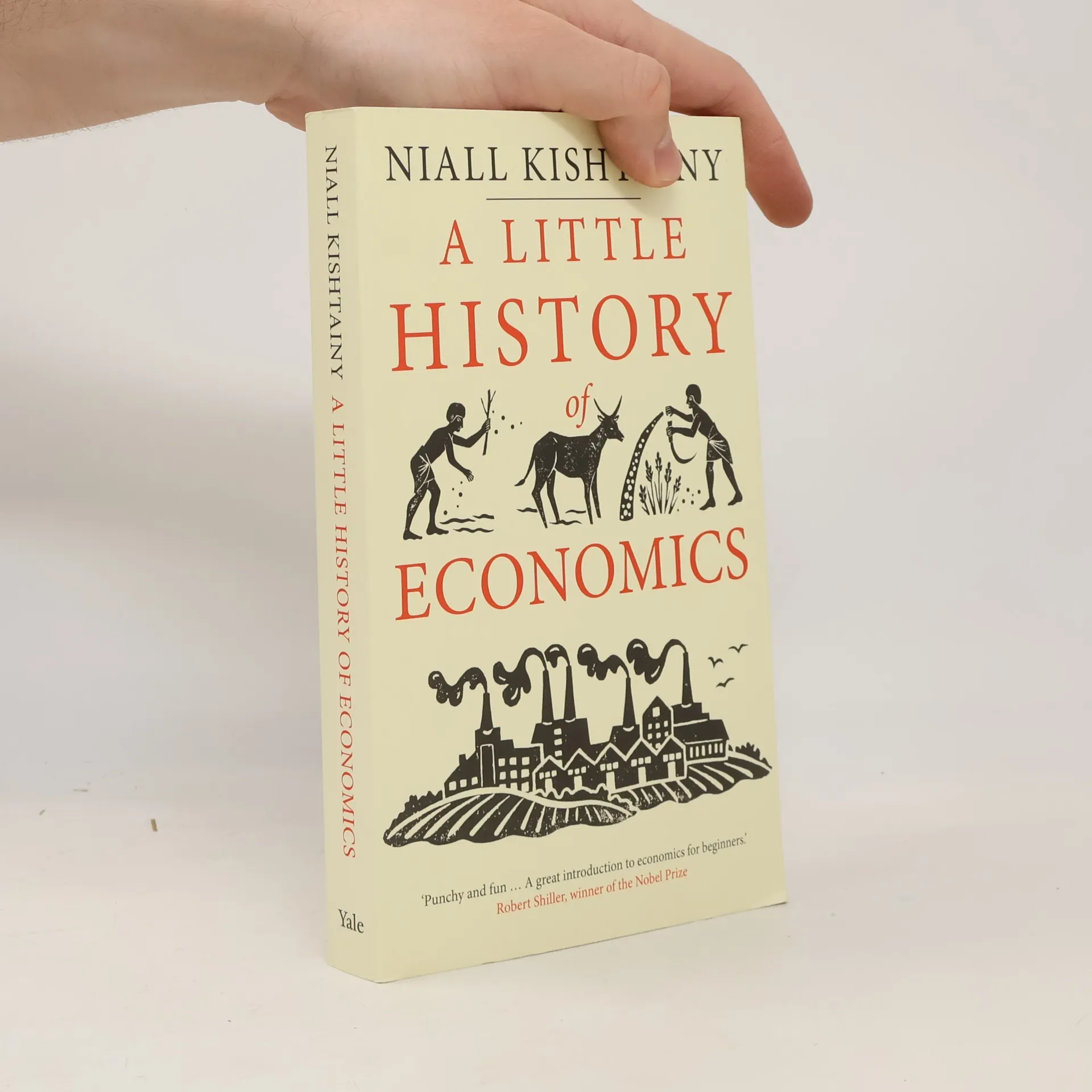
A Little History of Economics
  • A lively, inviting account of the history of economics, told through events from ancient to modern times and through the ideas of great thinkers in the field "A whistle-stop introduction to the great works and thinkers of each age, this is a clear and accessible primer."--Laura Garmeson, Financial Times What causes poverty? Are economic crises inevitable under capitalism? Is government intervention in an economy helpful, or harmful? While the answers to such basic economic questions matter to everyone, the unfamiliar language and math of economics can seem daunting. This clear, accessible, and even humorous book is ideal for young readers new to economic concepts, and for readers of all ages who want to better understand economic history and ideas. Economic historian Niall Kishtainy organizes short chapters that center on big ideas and events. He introduces us to some of the key thinkers--Adam Smith, David Ricardo, Karl Marx, John Maynard Keynes, and others--while examining topics ranging from the invention of money to the Great Depression, entrepreneurship, and behavioral economics. The result is an enjoyable book that succeeds in illuminating the economic ideas and forces that shape our world.

    A Little History of Economics
    4,1
  • A Little History of Science

    • 272 stránok
    • 10 hodin čítania

    Science is fantastic. It tells us about the infinite reaches of space, the tiniest living organism, the human body, the history of Earth. People have always been doing science because they have always wanted to make sense of the world and harness its power. From ancient Greek philosophers through Einstein and Watson and Crick to the computer-assisted scientists of today, men and women have wondered, examined, experimented, calculated, and sometimes made discoveries so earthshaking that people understood the world, or themselves, in an entirely new way. This book tells the history of science. It takes readers to the stars through the telescope, as the sun replaces the Earth at the center of our universe. It delves beneath the surface of the planet, charts the evolution of chemistry's periodic table, introduces the physics that explain electricity, gravity, and the structure of atoms. It recounts the scientific quest that revealed the DNA molecule and opened unimagined new vistas for exploration. Emphasizing surprising and personal stories of scientists both famous and unsung, this book traces the march of science through the centuries. It opens a window on the exciting and unpredictable nature of scientific activity and describes the uproar that may ensue when scientific findings challenge established ideas

    A Little History of Science
    3,9
  • A Little History of Literature

    • 288 stránok
    • 11 hodin čítania

    From The Epic of Gilgamesh to Harry Potter, this rollicking romp through the world of literature reveals how writings from all over the world can transport us and help us to make sense of what it means to be human

    A Little History of Literature
    3,9
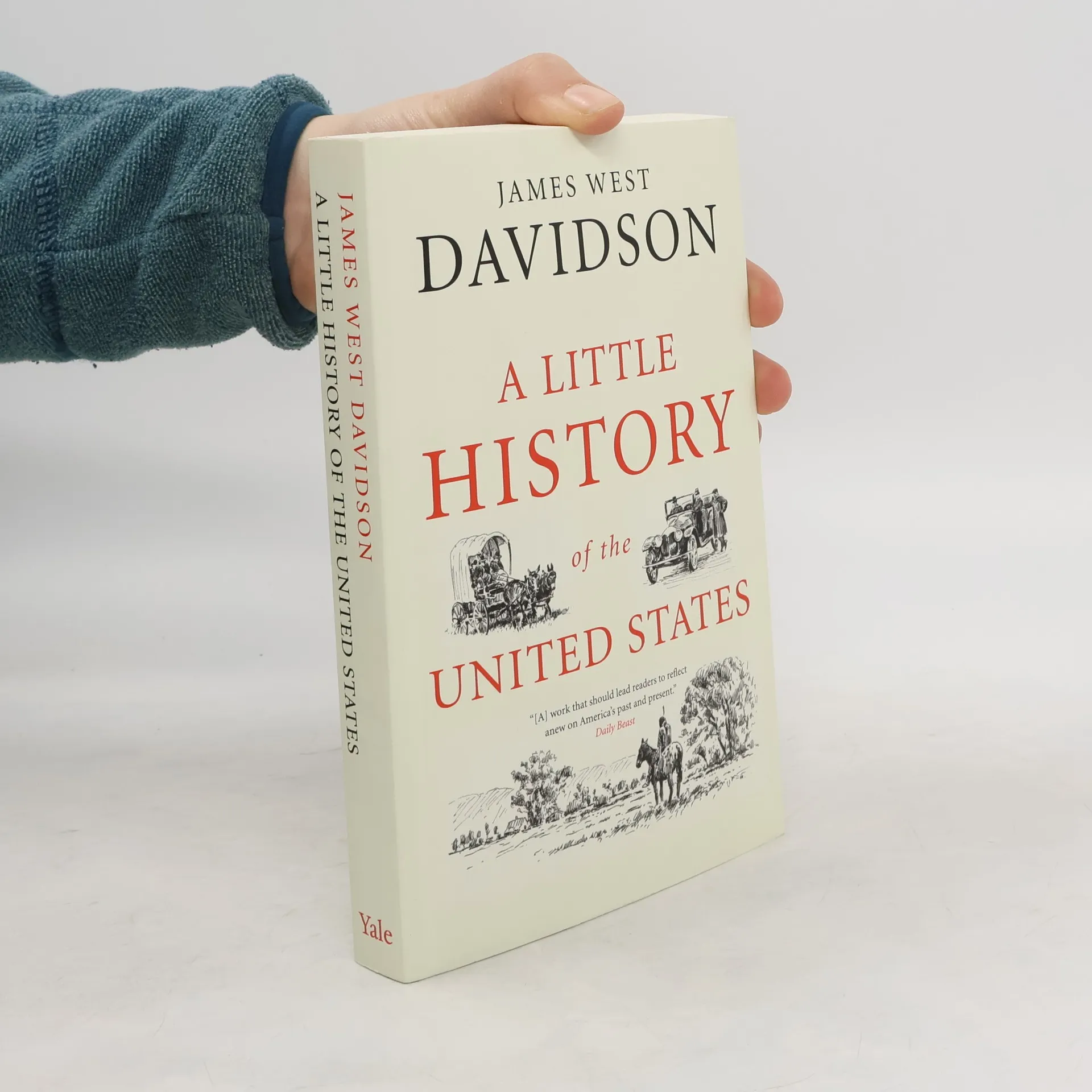
  • Describes how the United States developed from the first contact between extremely different cultures to its role as a superpower and explores how a country based on diversity seeks the sometimes contradictory goals of freedom and equality.

    A Little History of the United States
    4,1
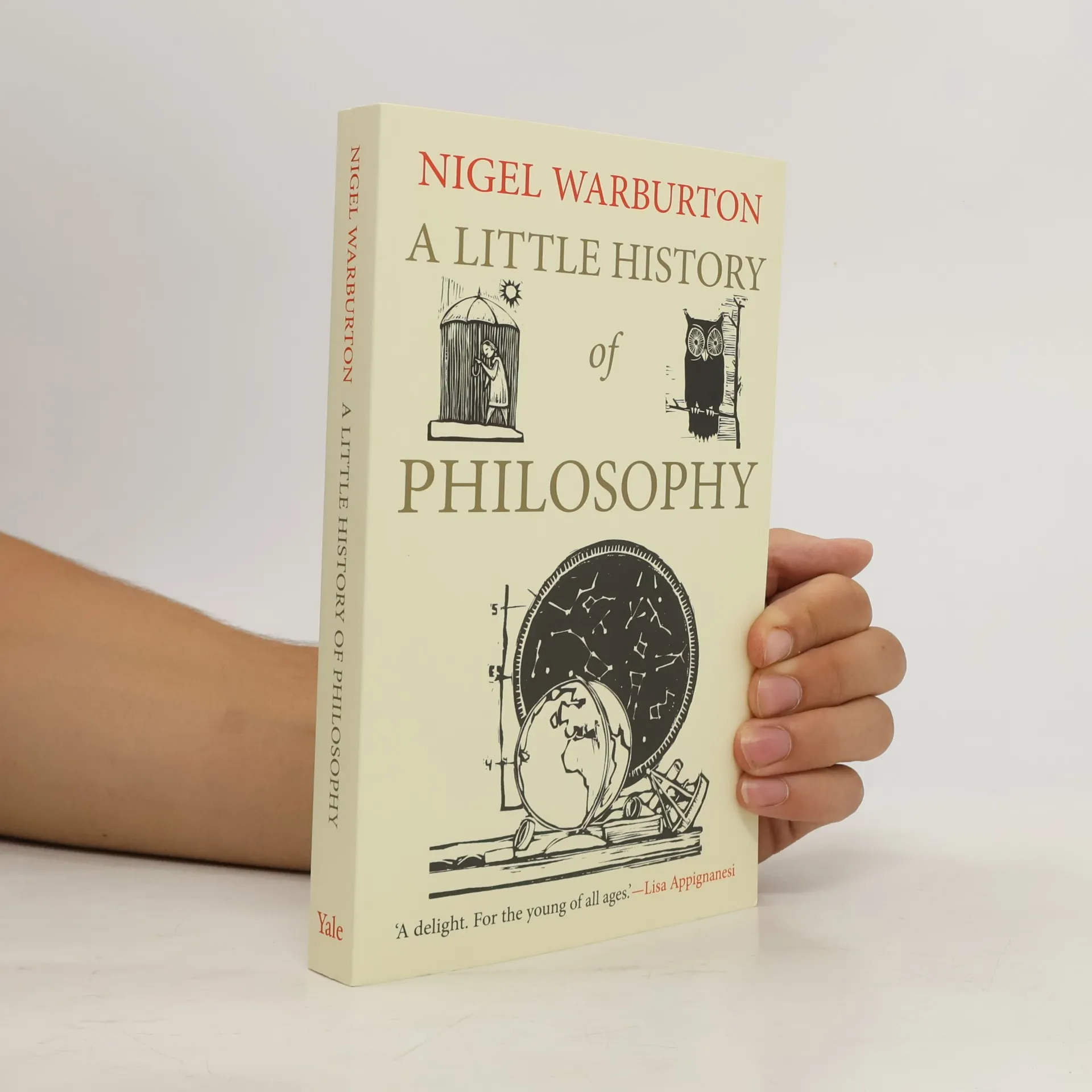
  • A little history of philosophy

    • 272 stránok
    • 10 hodin čítania

    Philosophy begins with questions about the nature of reality and how we should live. These were the concerns of Socrates, who spent his days in the ancient Athenian marketplace asking awkward questions, disconcerting the people he met by showing them howlittle they genuinely understood. This engaging book introduces the great thinkers in Western philosophy and explores their most compelling ideas about the world and how best to live in it. In forty brief chapters, Nigel Warburton takes us on a chronological tour of the major ideas in the history of philosophy. He provides interesting and often quirky stories of the lives and deaths of thought-provoking philosophers from Socrates, who chose to die by hemlock poisoning rather than live on without the freedom to think for himself, to Peter Singer, who asks the disquieting philosophical and ethical questions that haunt our own times. Warburton not only makes philosophy accessible, he offers inspiration to think, argue, reason, and question in the tradition of Socrates. "A Little History of Philosophy" presents the grand sweep of humanity's search for philosophical understanding and invites all to join in the discussion.
    A little history of philosophy
    4,2
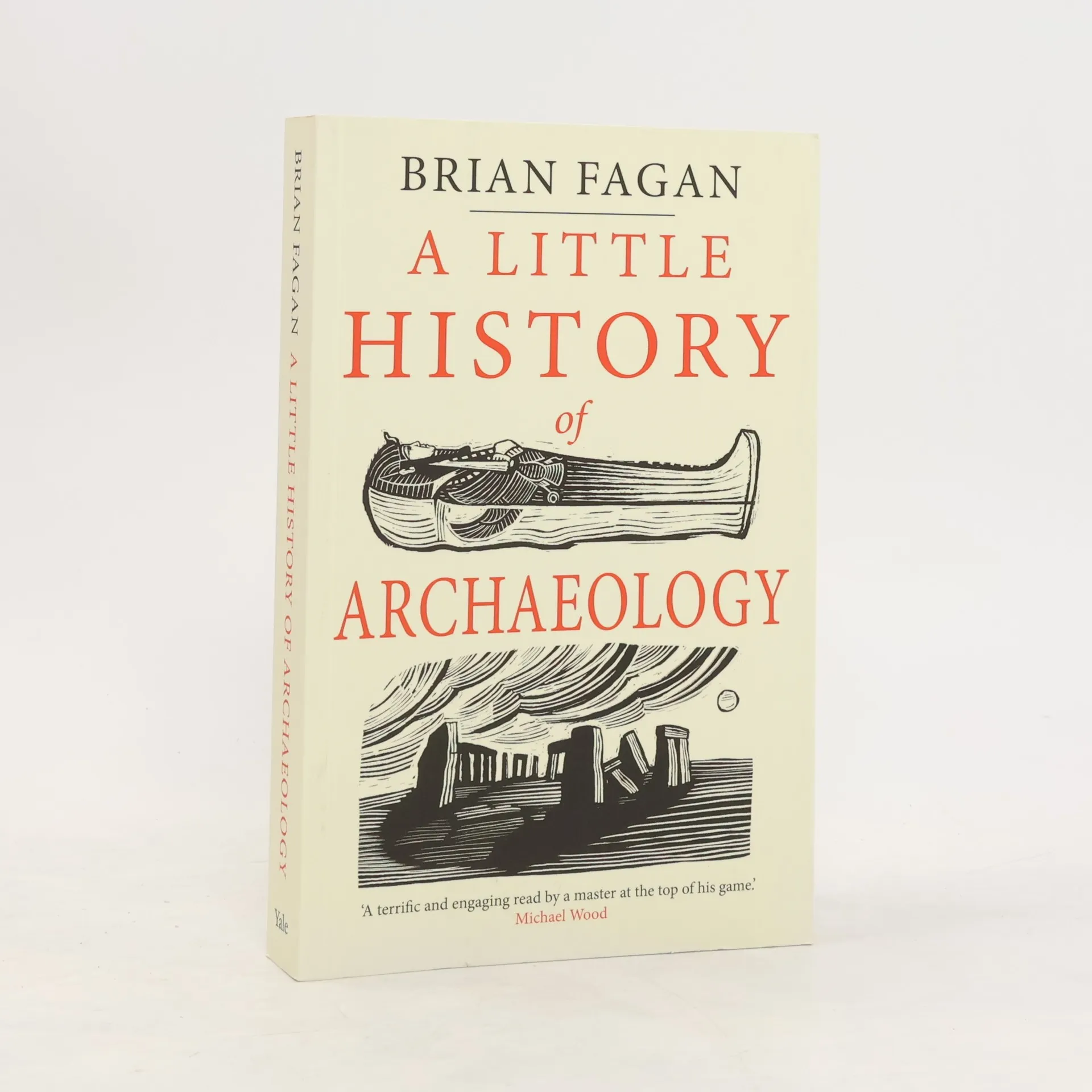
  • A Little History of Archaeology

    • 288 stránok
    • 11 hodin čítania

    The thrilling history of archaeological adventure, with tales of danger, debate, audacious explorers, and astonishing discoveries around the globe

    A Little History of Archaeology
    3,8
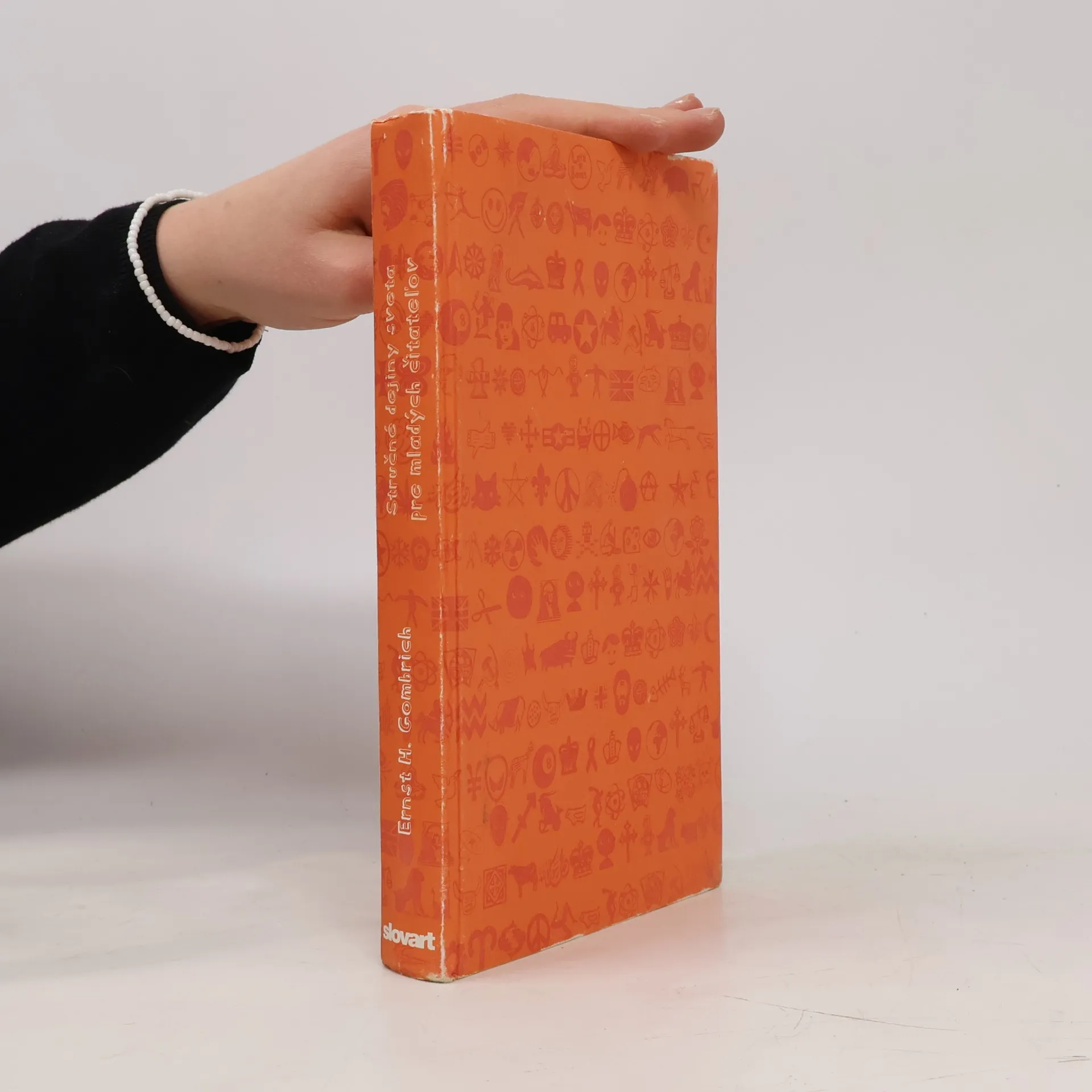
  • Stručné dějiny lidstva pro malé i velké čtenáře. Proslulý kunsthistorik (mj. Příběh umění) se ve své knize zaměřil na mladší čtenáře (ale to neznamená, že by text nebyl zajímavý a užitečný pro dospělé). Jeho kniha čtenáře provede historií od nejstarších počátků až do dvacátého století, seznámí ho s důležitými historickými osobnostmi a událostmi, ale také ho poučí o souvislostech a spojitostech mezi různými údobími a územími. Gombrich své dějiny lidstva vypráví jako příběh, ne vždy právě útěšný a pochopitelně nezavršený. Otevřený konec však znamená naději do budoucna.

    Stručné dejiny sveta pre mladých čitateľov
    4,1
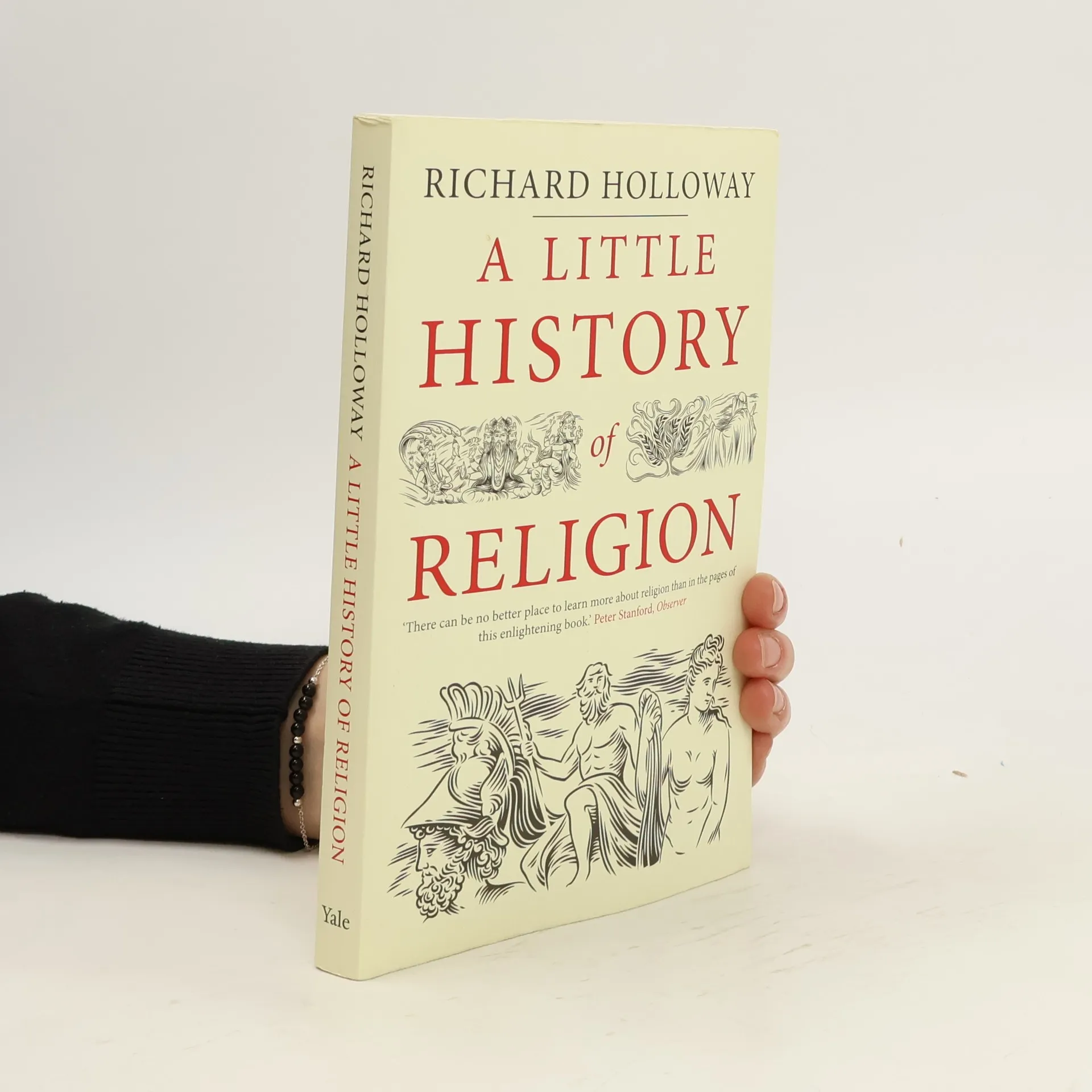
  • For curious readers young and old, a rich and colorful history of religion from humanity's earliest days to our own contentious times In an era of hardening religious attitudes and explosive religious violence, this book offers a welcome antidote. Richard Holloway retells the entire history of religion--from the dawn of religious belief to the twenty-first century--with deepest respect and a keen commitment to accuracy. Writing for those with faith and those without, and especially for young readers, he encourages curiosity and tolerance, accentuates nuance and mystery, and calmly restores a sense of the value of faith. Ranging far beyond the major world religions of Judaism, Islam, Christianity, Buddhism, and Hinduism, Holloway also examines where religious belief comes from, the search for meaning throughout history, today's fascinations with Scientology and creationism, religiously motivated violence, hostilities between religious people and secularists, and more. Holloway proves an empathic yet discerning guide to the enduring significance of faith and its power from ancient times to our own.

    A Little History of Religion
    4,3
  • A little book of language

    • 272 stránok
    • 10 hodin čítania

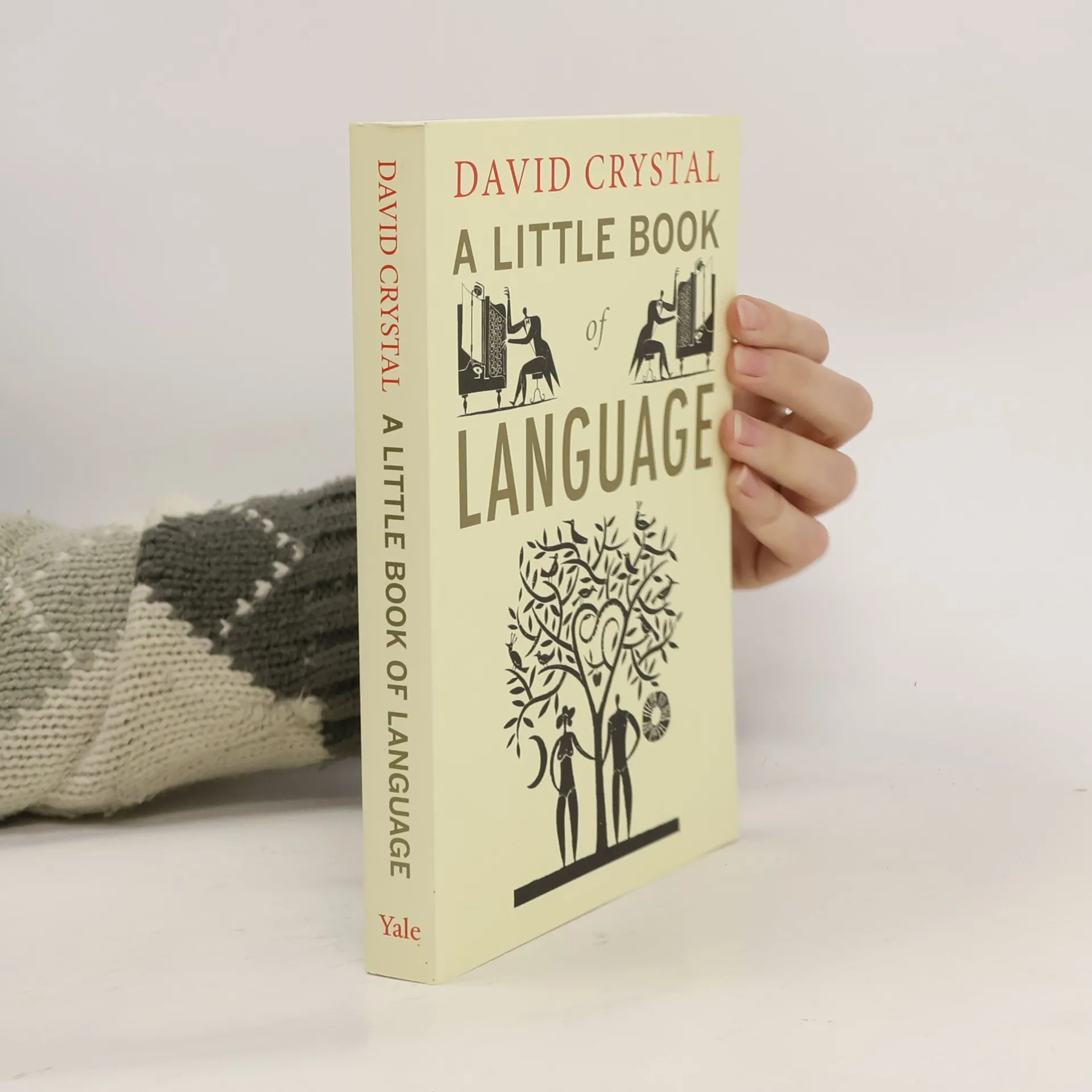
    A narrative history of language ranges from the first words of an infant to the modern dialect of text messaging, discussing linguistic styles, the origin of accents, and the search for the first written word.

    A little book of language
    3,8
